Growing Seascape Strawberry Plants: Care, Conditions, and Tips


Introduction
For gardeners seeking consistently high yields with reliable fruit quality, Seascape strawberries stand out as one of the industry’s best performers. Developed by the University of California, Seascape is a highly productive, day-neutral cultivar known for its firm texture, sweet-tart flavor, and exceptional berry size. This guide provides the specialized knowledge needed to ensure your Seascape strawberry plants thrive, helping you transition them from planting to a robust, abundant harvest.
Understanding Seascape: Yield and Versatility

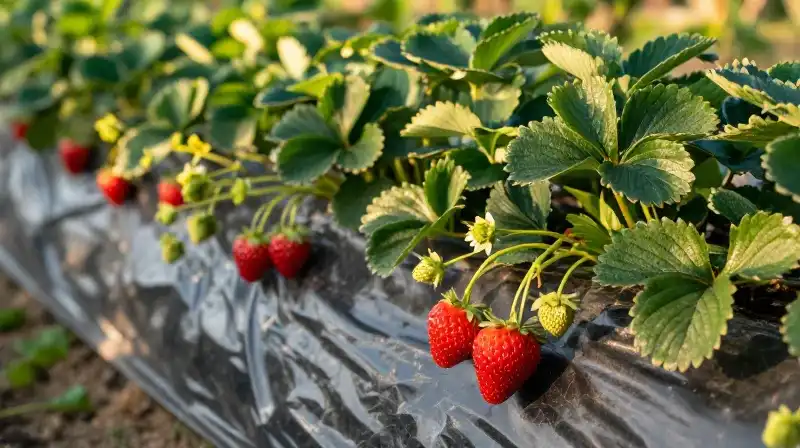
Seascape is designed for gardeners who want a heavy yield throughout the season without needing to manage specific day-neutral triggers. It is a stable hybrid, crossed between ‘Selva’ and ‘Douglas’ cultivars, which gives it the balance of hardiness and high productivity. Its suitability for a wide range of growing conditions makes it a versatile choice for both commercial production and home gardening. The large berry size is not just aesthetic; it allows the plants to meet the demands of popular uses, making them perfect for jams, desserts, and fresh eating.
The variety is suitable for USDA Hardiness Zones 4 through 9, offering gardeners in varying climates a reliable option, though specific care requirements will shift based on your local temperature extremes.
Optimizing Growing Conditions: Sun and Soil
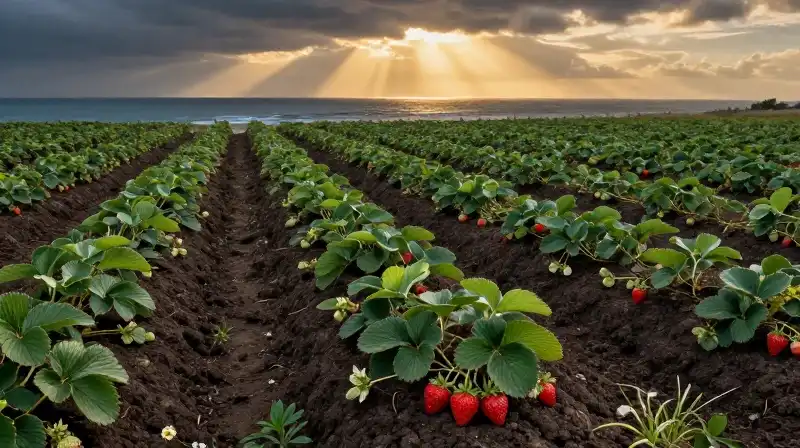
The foundation of a successful Seascape strawberry garden lies in preparing the environment correctly. These plants are demanding regarding their soil structure and light requirements, and providing the right baseline ensures optimal nutrient absorption and disease resistance.
Light and Temperature Requirements
Seascape requires full sun exposure to maximize flower production and fruit development. While it is highly tolerant of heat, some benefit can be achieved by providing gentle afternoon shade during intense summer heat waves, which can help prevent scorch. The variety handles temperatures up to 90 degrees Fahrenheit, demonstrating remarkable heat tolerance, yet it maintains its integrity even in colder regions during the winter.
Soil Composition and pH
The preferred growing medium must be rich and extremely well-drained. Heavy, water-retentive clay can suffocate the root system. The ideal pH range for Seascape thrives is between 6.5 and 6.8. Maintaining this slightly acidic range is crucial for nutrient availability, especially micronutrients, which the plants need to form their signature rich flavor.
Planting Techniques and Spacing Strategies
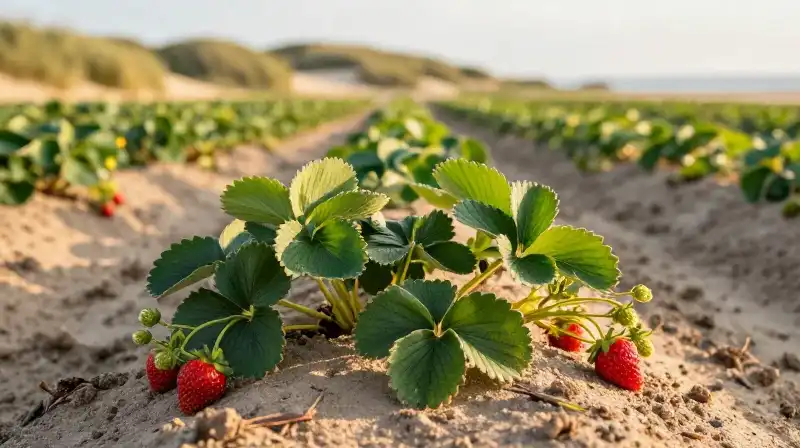
Seascape plants can be started from runners, seeds, or bare root stock. Runners are often preferred for established gardens as they guarantee genetic consistency and faster maturity. For those purchasing Seascape strawberry plants for sale, checking the root health and age of the runner is a key part of the inspection.
Optimal Spacing for Airflow
A common mistake is planting too densely. Seascape requires adequate space to allow for optimal air circulation. Proper spacing is critical not only for root development but also for disease prevention. The mature plant reaches a spread of 30 to 60 centimeters (12 to 24 inches) wide. Allowing this amount of space ensures that the foliage remains dry, which directly prevents fungal issues.
Hardiness and Propagation
Beyond initial planting, Seascape is known for its ability to produce runners. This makes it ideal for gardeners looking to expand their crop over time, as these daughter plants can be transplanted to propagate a new, vigorous patch. These plants typically grow 12 to 30 centimeters (4 to 12 inches) in height.
Essential Care and Maintenance Schedule

Consistent care focuses on balancing hydration and nutrients while minimizing disease risk. While Seascape is robust, specific maintenance tasks maximize its long-term health and fruit quality.
Watering Strategy
Seascape requires moderate and consistent watering. Erratic watering can stress the plants, leading to reduced fruit size. A reliable schedule should aim for at least one inch of water per week, ensuring the root zone remains consistently moist but never waterlogged.
Nutrient Management and Feeding
To support continuous production, especially during the three-month window after initial planting, a feeding regimen is necessary. Applying balanced organic fertilizer at appropriate intervals will support the plant’s growth habit and flavor development. Monitoring the soil drainage is often more important than the fertilizer itself; a perfect diet in poor soil will not yield perfect results.
Identifying and Preventing Common Issues

While Seascape is resistant to most common issues, its susceptibility to specific conditions requires proactive management. Addressing these potential pitfalls prevents significant crop loss.
Managing Verticillium Wilt and Fungal Disease
Seascape can be susceptible to verticillium wilt when humidity is too high and air circulation is inadequate. To mitigate this:
- Ensure plants are well-spaced (as discussed in planting).
- Avoid watering late in the day, allowing foliage to dry completely.
- Utilize air circulation if growing in confined spaces (e.g., pots or greenhouses).
Fungal diseases are frequently tied to moisture and poor air exchange, making cultural practices the primary line of defense.
Common Search Intents: Seeds, Pots, and Shopping
For users searching for Seascape strawberry seeds or Seascape strawberry plants in pots, it is important to note that potting mixes must be light and highly porous to prevent root rot. Seascape handles potting environments well, provided the container has excellent drainage holes. When searching for Seascape strawberry plants for sale near me, reputable nurseries will typically confirm the cultivar is true Seascape before purchase.
Harvesting and Assessing Quality
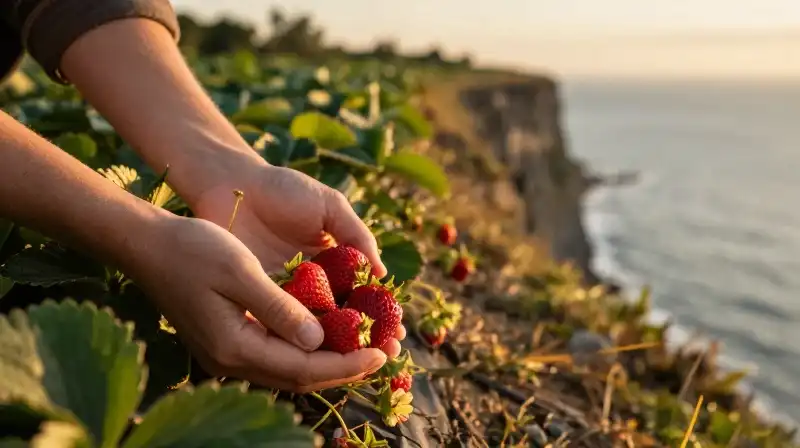
With consistent care, Seascape plants begin fruiting approximately three months after successful planting. The variety is harvested when the berries reach their prime ripeness, boasting a signature classic strawberry taste that makes them highly desirable for commercial and domestic use.
A strong, productive plant is a plant that yields large, well-colored berries and maintains vigorous green foliage. If the berries are small and pale, it is often an indicator of nutrient deficiency or inconsistent watering.
Practical Warning: The Role of Environment
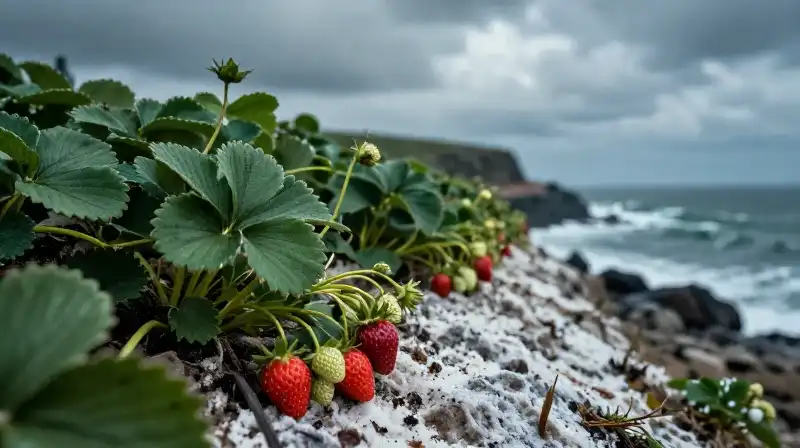
While Seascape is resilient, its ultimate success is tied to managing the microclimate of its growing location. Do not view “tolerant” as “immune.” The combination of rich, well-drained soil, consistent water, and—critically—adequate space for air movement is the only way to consistently achieve the high yields this day-neutral variety is capable of.
How to Successfully Grow Seascape Strawberries
Prepare the Growing Medium
Ensure the soil is rich and extremely well-drained. The ideal pH range for Seascape thrives is between 6.5 and 6.8, and the plants require full sun exposure.
Plant and Maintain Proper Spacing
Start plants from runners, seeds, or bare root stock. Ensure adequate space for air circulation, allowing plants to reach a mature spread of 30 to 60 centimeters (12 to 24 inches) wide.
Implement a Consistent Watering Schedule
Provide moderate and consistent watering, aiming for at least one inch of water per week. Keep the root zone consistently moist but never waterlogged.
Manage Nutrient Intake
To support continuous production, especially during the first three months, apply balanced organic fertilizer at appropriate intervals while monitoring soil drainage.
Prevent Disease Through Care
Avoid late-day watering, which allows foliage to dry completely, and utilize air circulation (especially in confined spaces) to mitigate risks like verticillium wilt and fungal disease.
Assess and Harvest Quality
Harvest the berries when they reach their prime ripeness. Monitor the foliage and fruit size; large, well-colored berries indicate a vigorous, healthy plant.
Related Articles