Winterizer Fertilizer for Grass: Boost Root Health and Cold Tolerance


Introduction
As the season shifts and cooler temperatures approach, lawn maintenance transforms from focusing on vibrant top growth to prioritizing survival. Winterizing your lawn is not just a routine chore; it is a strategic intervention designed to protect the underlying structure of your grass. Winterizer fertilizer for grass, often referred to as a winterizer, provides the necessary nutrients to help your lawn withstand the physical and chemical stresses of freezing temperatures and dormancy. This process allows the grass to shift its energy from producing foliage to fortifying its roots, ensuring a healthier, greener lawn when spring arrives.
What Does Winterizer Fertilizer Do for Your Lawn?
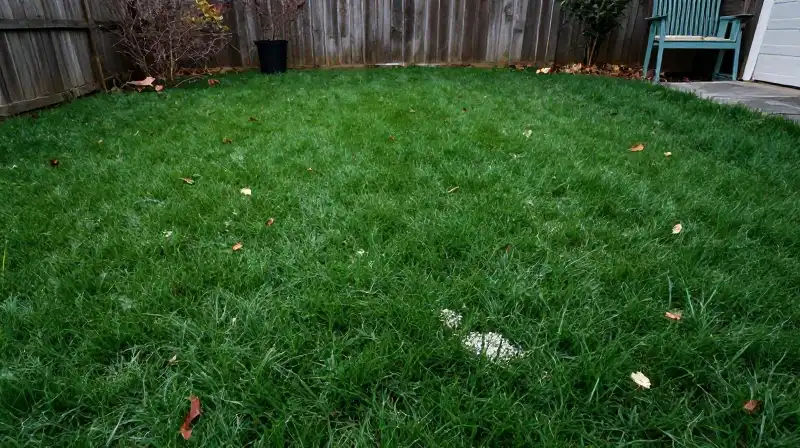
The primary function of applying a winterizer fertilizer is to manage stress and facilitate the successful entry into dormancy. When lawns face extreme cold, nutrients can become unavailable, and physical damage from ice and freeze-thaw cycles is a constant threat. Winterizer products address these issues by providing a balanced nutrient boost that encourages key developmental changes in the plant.
In practical terms, the fertilizer enables two crucial processes:
- Nutrient Storage: Instead of forcing the grass to maintain a lush, green canopy while resources are scarce, the applied nutrients help the lawn store vital energy within the crown and root systems. This stored “capital” is what allows the grass to quickly rebound and produce new, vigorous growth once temperatures warm up.
- Immunity and Resilience: By supplementing nutrients like potassium, the fertilizer enhances the plant’s ability to fight cellular damage caused by frost and chilling, thereby improving cold tolerance.
The Science of Winterizing: Role of Key Nutrients
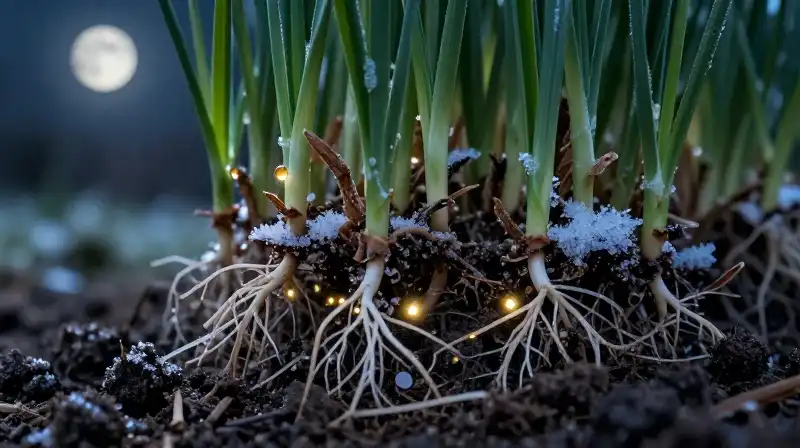
A winterizer formula is characterized by a specific N-P-K ratio that differs significantly from a standard summer lawn feed. The goal is not aggressive top growth; the goal is metabolic stability and root strength.
Potassium (K): The Cold Defender
Potassium is arguably the most critical component in a winter fertilizer. It acts as a biological regulator, enhancing the plant’s ability to tolerate environmental extremes. High potassium content helps regulate water movement within the plant, which is vital for surviving freezing temperatures. It strengthens cell walls, making the grass more resistant to the mechanical damage caused by ice and prevents nutrient loss when temperatures drop.
Nitrogen (N): Supporting Early Spring Color
While excess nitrogen is counterproductive during deep dormancy—it can encourage tender, weak growth that will be damaged by frost—a calculated amount of high-quality nitrogen is still necessary. This nitrogen acts as a foundation to ensure the grass has the resources ready to achieve deep, dark green color and rapid recovery immediately upon the end of the cold season.
Phosphorus (P): The Root Builder
Phosphorus plays a foundational role in winter preparation. It is crucial for cellular energy transfer and the development of strong, deep root systems. By feeding phosphorus before the cold hits, you are ensuring the grass has a robust anchoring system in place to survive the winter. This directly ties into the primary goal of winterizer fertilizer for grass.
Choosing the Best Winterizer Formula for Your Climate
Selecting the correct formula depends entirely on your local climate and the stage of dormancy the lawn requires. There is no single “best” fertilizer; only the best fit for your conditions.
| Climate Type | Application Strategy | Recommended Focus | Reasoning |
|---|---|---|---|
| Cool Climates (North/Midwest) | Late fall/early winter, 1-2 applications | High Potassium & Moderate Nitrogen | The focus is on fortifying the roots for heavy winter stress and ensuring early spring recovery. |
| Warm Climates (South/Tropical) | Early to mid-fall, often 2+ applications | Balanced NPK with higher Nitrogen | The focus is on active growth maintenance and slowing down the lawn’s metabolic rate before sustained cold arrives, if temperatures drop. |
When researching “Best winterizer fertilizer for grass,” always look past marketing slogans and check the actual N-P-K percentages to ensure the formula matches your climate requirements. A high-potassium, low-nitrogen formula is generally superior for cold-hardiness in temperate zones.
Practical Guide: When and How to Apply Winter Fertilizer
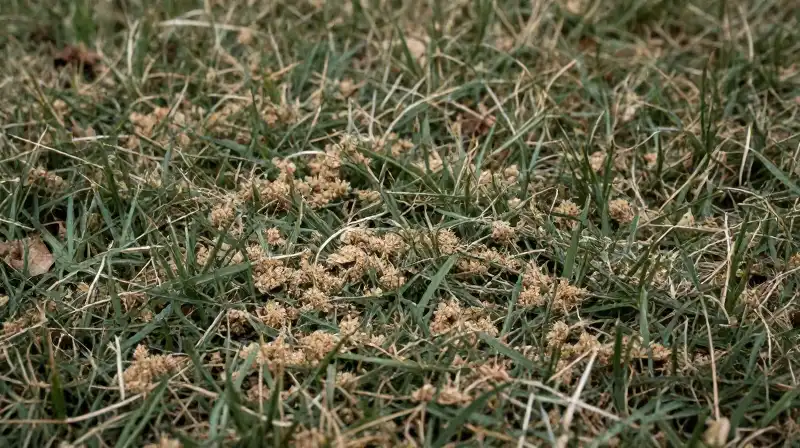
Timing is more critical than brand recognition. Applying fertilizer too late might mean it won’t be absorbed before the ground freezes, while applying too early can encourage vulnerable new growth that frost will kill.
Optimizing Application Timing
- Optimal Window: The ideal time for applying winter fertilizer is in late fall. This allows the dormant grass the necessary time (usually 4 to 8 weeks) to absorb and incorporate the nutrients into its storage systems before the soil freezes.
- Monitoring the Soil: Look for the first hard ground or a sustained drop in temperature below freezing. Applications should ideally occur 2 to 3 weeks before predicted deep freezing.
Correct Application Techniques
For optimal results, follow proper application guidelines:
- Apply the fertilizer evenly according to the product instructions, using a standard spreader.
- Avoid over-application; too many nutrients can actually stress the lawn.
- If the lawn is actively growing, apply the fertilizer to ensure nutrients are absorbed before the lawn completely shuts down.
Evaluating Winterizer Options and Avoiding Common Mistakes
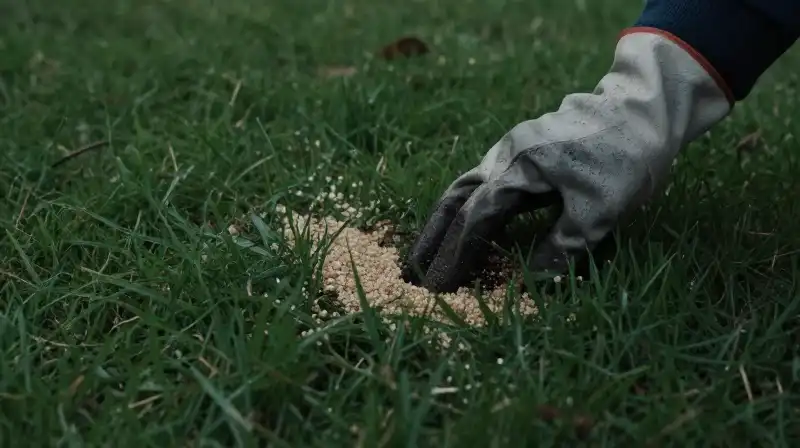
When making a purchase, whether you are looking for “Winterizer fertilizer home depot” or a specialized organic product, there are several factors to consider beyond the price.
Quality Signals for Selection
- Nutrient Balance: Prioritize a formula where Potassium (K) is the highest or second highest element, depending on climate.
- Soil Health Focus: Evaluate if the product is purely synthetic or if it integrates organic components. Organic fertilizers like Milorganite can support long-term soil structure, while synthetics often provide immediate nutrient boosts.
- Application Method: Consider granular spreads for widespread, consistent coverage or liquid forms for faster absorption if your lawn is recovering from a poor season.
Frequent Errors to Avoid
Even with the best product, improper usage can yield poor results:
- Waiting Until After the Hard Freeze: Applying fertilizer when the ground is already frozen is a wasteful effort; the nutrients cannot penetrate the soil.
- Using High-Nitrogen Summer Formulas: Attempting to use a standard summer lawn feed in winter will provide excessive nitrogen, which often fails to deliver robust cold tolerance and can contribute to weak growth.
- Inconsistent Application Rates: Always adhere strictly to the manufacturer’s suggested rates to prevent nutrient overload and potential burn.
Synthesis: Ensuring Lawn Resilience for Next Spring
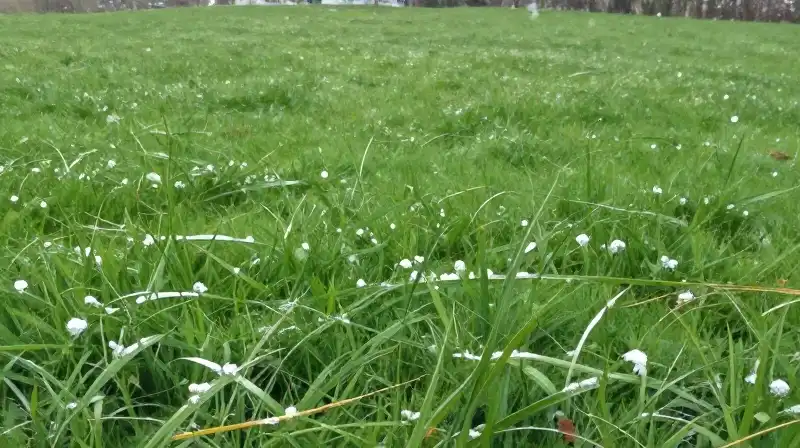
The application of winterizer fertilizer is an investment in your lawn’s future performance. By selecting a formula tailored to your specific climate and understanding the role of high potassium in stress mitigation, you are proactively building a resilient lawn. The ultimate goal is not simply to keep the lawn “green” during the coldest months, but to ensure the root system is as strong and nutrient-rich as possible. This robustness is what translates into exceptional health, deep color, and vigorous early growth when the cycle turns again next spring. Prioritize the balance of the N-P-K ratio and adhere to timely application to optimize this seasonal transition.
Frequently Asked Questions
What does winterizer fertilizer do for your lawn?
Winterizer fertilizer manages stress and facilitates the lawns successful entry into dormancy by allowing the grass to fortify its root systems and store vital energy. This process enhances the plants immunity and resilience, boosting cold tolerance and strengthening cell walls against the damage caused by freezing temperatures.
How to Apply Winterizer Fertilizer to Your Lawn
Determine Optimal Timing
Apply winter fertilizer in late fall, allowing the dormant grass the necessary time (usually 4 to 8 weeks) to absorb and incorporate the nutrients into its storage systems before the soil freezes.
Monitor Soil Conditions
Look for the first hard ground or a sustained drop in temperature below freezing. Applications should ideally occur 2 to 3 weeks before predicted deep freezing.
Apply Fertilizer Evenly
Apply the fertilizer evenly according to the product instructions, using a standard spreader.
Adhere to Dosage
Avoid over-application; too many nutrients can stress the lawn. Always adhere strictly to the manufacturer’s suggested rates to prevent nutrient overload.
Related Articles