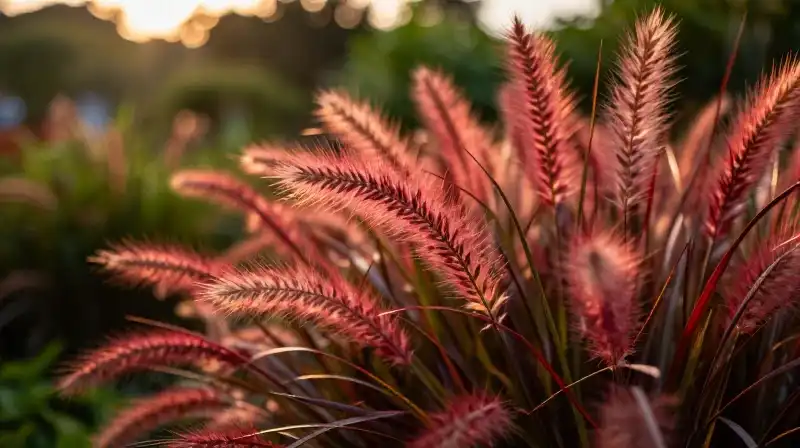
Creeping Red Fescue Grass: Shade-Tolerant Lawns and Seed Guide


Introduction
For landscapes demanding resilience in challenging environments—specifically deep shade, steep slopes, or areas subject to high moisture—Creeping Red Fescue (CRF) offers a distinct solution. Unlike many traditional cool-season grasses that require full sun to achieve robust growth, this European native is highly valued for its superior tolerance to low light. CRF provides a dense, carpet-like turf, making it a premier choice for specialized applications ranging from establishing meadow-like ground cover to engineering slopes for erosion control. Understanding its unique biological requirements and specific growing conditions is crucial for maximizing its dense, creeping potential.
The Advantages of Creeping Red Fescue Grass
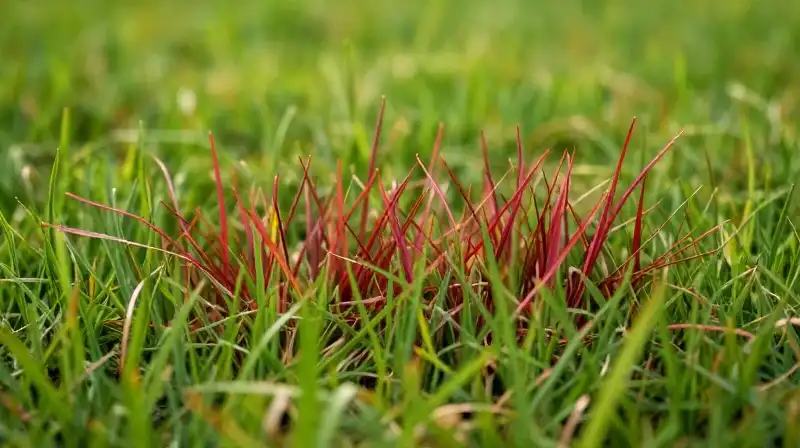 The defining characteristics of Creeping Red Fescue set it apart from conventional lawn grasses. Its creeping growth habit is facilitated by a network of rhizomes, allowing it to spread laterally rather than solely through vertical growth. This creeping nature is what allows CRF to knit tightly into uneven surfaces, fulfilling its function as excellent erosion control.
Shade Tolerance and Resilience
The primary benefit of planting creeping red fescue grass is its ability to thrive in conditions where other cool-season varieties decline. While many turf types require at least six hours of direct sunlight, CRF performs admirably in partial to deep shade. This resilience extends to its ability to tolerate moderate drought and resist common turf diseases, contributing to a consistent lawn even during the most difficult light cycles.
Functional Uses Beyond Traditional Lawns
While it is certainly suitable for a classic creeping red fescue lawn, its utility expands significantly when considering its low-traffic nature and aesthetic qualities. It is an ideal candidate for:
- Ground cover in low-use residential areas.
- Wildflower meadow mixtures, where it provides a stable, low-growing base.
- Medians and fringes that benefit from an enduring, dense texture.
- Coastal or hillside projects requiring aggressive erosion control.
The grass also produces an excellent winter color, adding visual interest to the landscape throughout the colder months.
Choosing Creeping Red Fescue Seed: Sowing Guide
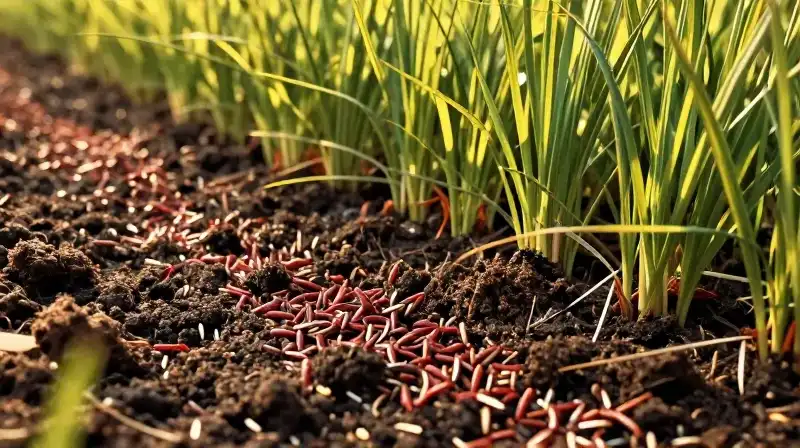 Successful establishment of this grass relies on timing and proper preparation, as its creeping growth takes time to fully manifest.
Optimal Seeding Windows
Creeping Red Fescue seeds germinate best under specific temperature conditions. The ideal times for seeding are early spring and early fall.
- Germination Cycle: Under suitable temperatures, germination typically occurs within 7 to 14 days after seeding.
- Establishment Phase: Early planting allows the grass to build a strong root system before the stress of high summer heat or heavy autumn rain.
While seeding can be attempted outside these windows, the establishment rate and overall vigor are significantly lower.
Seeding Rates and Density
The required seeding rate is highly dependent on the desired density and the specific application (turf versus ground cover). Generally, sowing rates range from 130 to 215 pounds per acre. When establishing a traditional dense turf or for professional lawn seed mixtures, the higher end of this range is often recommended to ensure robust coverage.
Environmental Limits and Maintenance
Creeping Red Fescue is remarkably adaptable, but its specialized nature means it has clear limits to where and how it should be used.
The Limits of Application
CRF is not a universal grass. Its use is unsuitable in areas characterized by:
- High foot or vehicular traffic: The rhizomes do not create the root strength necessary to withstand heavy tread.
- Arid, high-heat climates: In dry environments, supplementary irrigation is necessary for the grass to persist, as it prefers cooler, more humid conditions.
- Full-sun, hot, humid regions: While it tolerates light, its ideal performance is in temperate or shaded zones.
Essential Maintenance Criteria
To maintain the aesthetic and structural integrity of a creeping red fescue lawn, maintenance must align with its requirements:
- Mowing Height: Allow for a moderate cutting height to encourage dense, creeping growth and minimize stress.
- Water Management: In shady or drought-prone areas, consistent, deep watering during establishment and initial establishment phases is critical for rhizome development.
- Pest Monitoring: While disease-tolerant, like any grass, consistent monitoring for specific pests is recommended.
Ideal Scenarios for Creeping Red Fescue
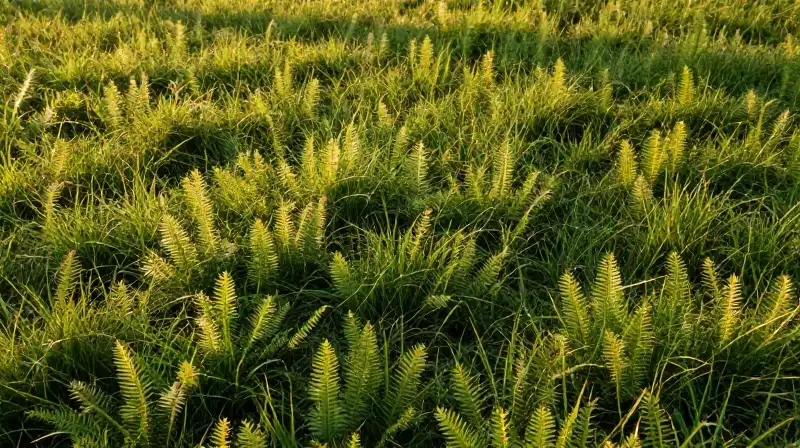 Deciding whether to use this species requires matching its strengths to the specific landscape challenge.
Shady Lawns and Sloping Surfaces
If your primary concern is a low-maintenance, dense turf in the shade, CRF is the superior choice. Its lateral spread naturally fills in gaps and stabilizes slopes, preventing soil loss better than standard turf.
Low-Traffic Medians and Borders
For ornamental or low-use areas—such as a residential roadside median or the border of a garden—CRF provides an elegant, fine-bladed appearance that maintains its integrity without the need for intense foot traffic.
Choosing a Lawn Seed Mixture
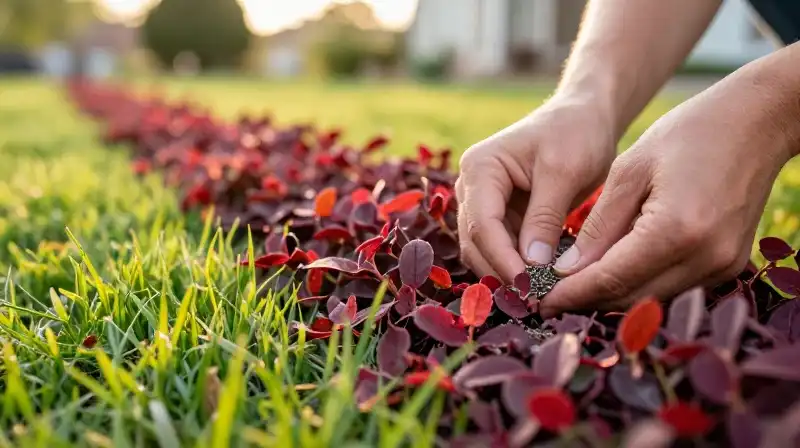 When selecting lawn seed mixtures that include creeping red fescue grass seed, consider the percentage and the presence of other functional grasses.
A well-formulated mixture for challenging conditions (like shady lawns or slopes) should ideally prioritize CRF and other shade-tolerant species alongside a hardier turf grass. For example, a mixture might contain 50% Creeping Red Fescue, 30% Fine Fescue (for density), and 20% a durable turf grass to handle minor disturbances.
The decision to include it in a seed mix depends heavily on the percentage of shade in the planting area; the higher the shade, the higher the required concentration of creep-resistant varieties.
Conclusion: Practical Success Criteria
 To achieve a successful creeping red fescue lawn, focus on three practical pillars: timing, environment, and restraint. Plant your seeds in early spring or early fall to ensure optimal germination. Always treat your intended use as low-traffic and recognize the inherent need for extra care in arid or deep shade environments. Ultimately, choosing Creeping Red Fescue grass is a decision to prioritize resilience and density over high-intensity, high-traffic aesthetics.
How to Establish a Creeping Red Fescue Lawn
Select Optimal Seeding Windows
Plant the seeds during the ideal periods of early spring or early fall to ensure best germination and establishment rates.
Determine Seeding Rates
Calculate the required seeding rate, typically ranging from 130 to 215 pounds per acre, recommending the higher end for traditional dense turf.
Initial Planting and Germination
Sow the Creeping Red Fescue seed and wait for germination, which typically occurs within 7 to 14 days under suitable temperatures.
Implement Water Management
During establishment, particularly in shady or drought-prone areas, provide consistent, deep watering to encourage rhizome development.
Maintain Appropriate Mowing Height
Allow for a moderate cutting height to encourage the desired dense, creeping growth of the fescue and minimize stress on the plants.
Monitor for Pests
Regularly inspect the lawn for specific pests, even though the grass is generally tolerant of common diseases.
Related Articles