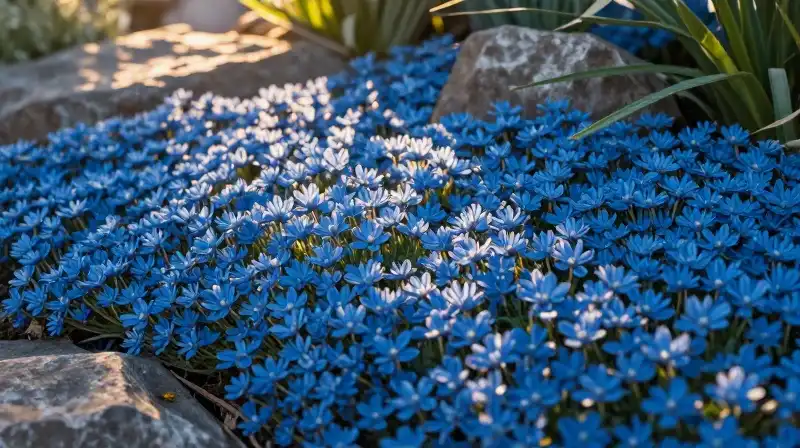
Woods Blue Aster: Compact Fall Blooms and Planting Guide


Introduction
The Aster Woods Blue (*Symphyotrichum ‘Wood’s Blue’*) stands out as a highly sought-after perennial, offering a vibrant display of blue-purple flowers that mark the late-season shift in the garden. Unlike many taller, more dramatic varieties, Woods Blue is specifically cultivated to be a compact, manageable selection of Michaelmas Daisy. It provides a concentrated burst of color and ecological utility—acting as a crucial nectar source—perfect for small garden beds, containers, or those who prefer a contained footprint. For gardeners seeking dependable, late-season blooms and robust structure, understanding the specific attributes of this variety, from its physical dimensions to its purchasing guarantees, is essential for successful planting.
Defining Aster Woods Blue: Form and Function

Botanically categorized within the Asteraceae family, *Symphyotrichum cordifolium* is a herbaceous perennial known for its steady, concentrated growth. In its compact form, ‘Wood’s Blue’ achieves a height of up to 1.25 feet (approximately 38 cm), while the mature clump typically maintains a diameter of roughly 1.5 feet (45 cm). This controlled growth makes it an excellent candidate for environments where larger, spreading aster varieties might overwhelm the intended space.
Structural Attributes
- Stem and Habit: The plant features sturdy stems supporting showy, blue-purple flower heads.
- Bloom Timing: Blooms commence in late summer and persist throughout the entire autumn season.
- Color Profile: Characterized by intense blue-purple hues, providing a visual contrast to many traditional yellow and white late-season bloomers.
- Usage: The sturdy yet refined flower heads are suitable for incorporation into fresh cut flower arrangements, making it versatile for both landscaping and indoor decoration.
A Vital Resource for Late-Season Pollinators
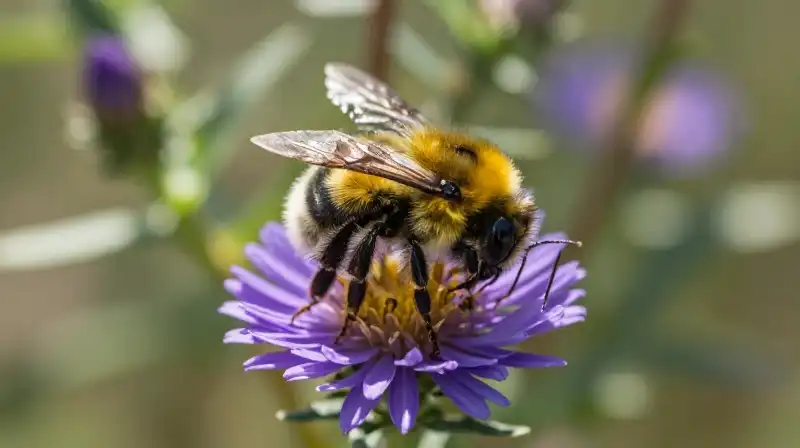
The ecological importance of Aster Woods Blue cannot be overstated, particularly in cooler climates where other sources of high-quality nectar begin to wane. Its late-summer and autumn flowering schedule ensures that the plant serves as a vital provisioning source for local insect populations.
Attraction and Biodiversity
The vibrant floral structure of Woods Blue is particularly attractive to a wide range of pollinators. It provides critical late-season sustenance for butterflies, as well as various bee and hoverfly species. By including this aster in the landscape, you actively support local biodiversity and ensure that essential parts of the local food web remain active through the change of seasons. Its role is not merely ornamental; it is an ecological anchor in the fall garden.
Optimizing Garden Space with a Compact Variety
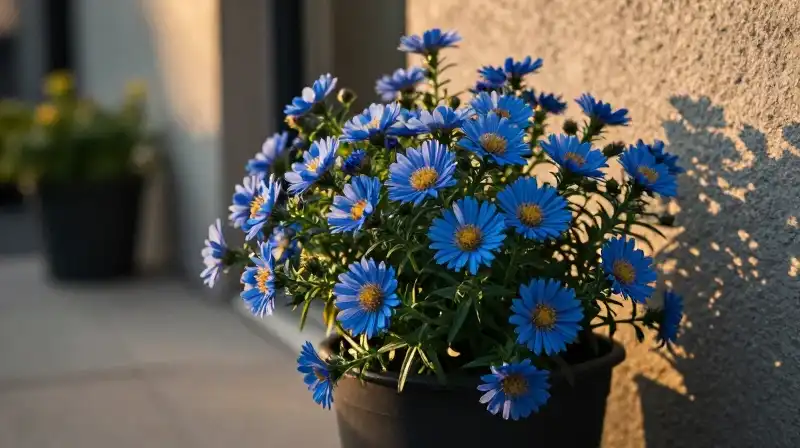
Given the defined spread and height of the variety, ‘Wood’s Blue’ is ideal for precise garden planning. Unlike sprawling species, this aster allows for tight spacing and effective use of marginal areas, making it a superior choice for containers, edger borders, or dense planting schemes where width is a concern.
- Space Efficiency: The ~1.5-foot spread allows multiple plants to occupy a single yard without excessive encroachment, facilitating a lush, full appearance even in small plots.
- Sunlight Requirements: Like most asters in the Asteraceae family, Woods Blue thrives in full sun, benefiting from adequate light to develop its most prolific bloom.
- Planting Considerations: Because the plants are typically shipped in jumbo sizes with robust root systems, careful placement ensures the strong initial structure translates into a healthy, manageable clump.
Post-Purchase Care and Winter Preparation

While the initial care of the plant is straightforward, understanding the transition from summer to winter is vital for ensuring the plant returns robustly in spring. Post-purchase responsibility begins after the initial 60-day guarantee period.
Long-Term Health Management
Even though the aster is hardy, its survival depends on proper overwintering and ongoing pest surveillance.
- Seasonal Transitions: After the primary bloom period concludes, the plant shifts focus to storing energy for the following year. While often left to go to seed, the core root structure will be developing.
- Pest Management: Regular inspection for common garden pests is necessary, especially as plants mature and begin their winter dormancy. Immediate contact with the seller or a horticultural specialist is recommended if dormancy issues or unusual stress are observed during the spring regrowth.
- Overwintering: In regions with hard freezes, adequate protection may be necessary. The manufacturer advises that detailed care protocols, including specific overwintering methods, are the sole responsibility of the buyer once the initial plant health period has expired.
Purchase Protections and Guarantee Details
When acquiring Aster Woods Blue, it is important to be aware of the specific quality controls and guarantees in place to protect the buyer.
| Feature | Detail | Buyer Responsibility |
|---|---|---|
| Standard Satisfaction | 60-day health and satisfaction guarantee (full cost refund, excluding shipping/discounts). | Immediate notification upon arrival of pests or damaged goods. |
| Fall Guarantee | Extends the warranty specifically for autumn orders until May 31 of the subsequent year. | Verify your local USDA hardiness zone before purchasing. |
| Post-Warranty Care | Seller’s responsibility concludes after 60 days. | All subsequent care, including overwintering and pest management, belongs to the buyer. |
Important Logistics: Should your shipment arrive damaged or if any shortages are present, immediate contact with the seller is required. The seller maintains the right to request a return of the item once a refund is processed.
Critical Pre-Planting Checks

Successful cultivation of Woods Blue is highly dependent on preparation and environmental suitability. Before finalizing a purchase or beginning your planting, two key checks are non-negotiable.
USDA Hardiness Zone Verification
The most critical step is verifying your local USDA hardiness zone. Because the plant is designed for compact, year-round beauty, it is imperative that the zone supports the perennial life cycle. If your zone dictates extreme cold, be prepared to implement the appropriate winter protection protocols well before the standard 60-day guarantee window closes.
Logistics and Root Inspection
The jumbo size and robust root systems noted by the supplier indicate a strong start. When the order arrives, take a thorough inspection. If you notice any immediate damage, do not wait. Promptly contact the seller, providing photographic evidence of the issue. This proactive step is vital to utilizing the satisfaction and health guarantee correctly.
Ultimately, while the Aster Woods Blue offers reliable, beautiful color in a small space, its success relies on matching its reliable growth patterns with careful initial purchase validation and disciplined post-60-day care, particularly concerning local climate demands.
How to Successfully Cultivate Aster Woods Blue
Verify Hardiness Zone
The most critical first step is verifying your local USDA hardiness zone to ensure it supports the required perennial life cycle for this compact variety.
Inspect Upon Arrival
Once the jumbo size plant arrives, take a thorough inspection of the root systems and overall health for any immediate damage or issues.
Report Damage Immediately
If any damage is observed, promptly contact the seller and provide clear photographic evidence to properly utilize the satisfaction and health guarantee.
Monitor for Pests
Regularly inspect the plant for common garden pests, especially as it matures and begins its winter dormancy.
Related Articles