Alocasia Grow Lights: Optimal Intensity, Distance, and Setup

Introduction
For Alocasia, light is not just energy; it is a precise atmospheric requirement that dictates leaf pattern vibrancy and overall plant robustness. To achieve the dense, dramatic foliage these plants are known for, growers must move beyond general indoor lighting and implement a specific, controlled environment. The optimal setup relies on Full-Spectrum LED grow lights calibrated to replicate the filtered, moderate intensity of their native rainforest habitat. The goal is not to blast the plant with maximum output, but to maintain a stable, specific light density of 200–400 µmol/m²/s, coupled with a strict 10–12 hour daily cycle. Getting the distance, duration, and intensity correct is the single most important factor in preventing issues like leggy growth or unsightly leaf burn.
Understanding Alocasia Light Requirements (PPFD and Duration)
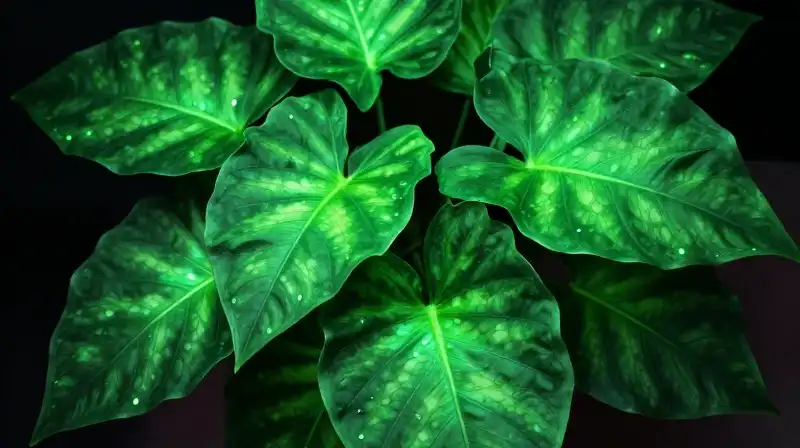 Instead of simply focusing on raw wattage, understanding Photosynthetic Photon Flux Density (PPFD) provides a much clearer picture of what Alocasia truly needs. PPFD measures the amount of usable light hitting the plant, which is far more relevant than general lux or lumen measurements.
Optimal Intensity and Photosynthetic Output
Alocasia thrives in a specific light niche:
- Intensity Range: 200–400 µmol/m²/s. This moderate range mimics the filtered light beneath a rainforest canopy.
- Duration: 10 to 12 hours daily. Consistency is key; using a simple timer ensures the plant maintains vigor without stress.
- Maximum Limit: Light exposure should generally not exceed 14 hours daily. Exceeding this can induce physiological stress.
Excluding the light duration, the primary purpose of selecting “grow lights for alocasia” is ensuring the quality of the light spectrum, which must be full-spectrum to support all stages of photosynthesis and maintain the specific variegation or patterning unique to various cultivars.
Addressing Light Requirements in Specific Cultivars
While the general range applies to most species, different varieties may have distinct preferences. For example, highly vigorous or very large varieties, such as *Macrorrhiza*, may lean toward the higher end of the 400 µmol/m²/s range, whereas more delicate types might prefer the lower 200–300 µmol/m²/s to prevent leaf scorching.
Optimizing Light Placement and Distance
The placement of the light fixture is just as critical as its intensity. Improper positioning can lead to uneven light distribution, causing localized stress and poor growth.
Determining the Correct Distance
The recommended distance for positioning grow lights above the Alocasia foliage is 18 to 24 inches. This range offers a practical balance between achieving the required light density (PPFD) and preventing light intensity from becoming too harsh or drying out the foliage.
Calculating Fixture Placement
Distance is dynamic; it should be adjusted as the plant grows. As the Alocasia reaches its mature size, the light source must be moved closer to maintain the consistent PPFD target. Conversely, if the plant begins to show signs of excessive light (discoloration or fading), moving the fixture slightly further away can reduce the intensity.
Selecting the Right Fixture: Watts and Setup
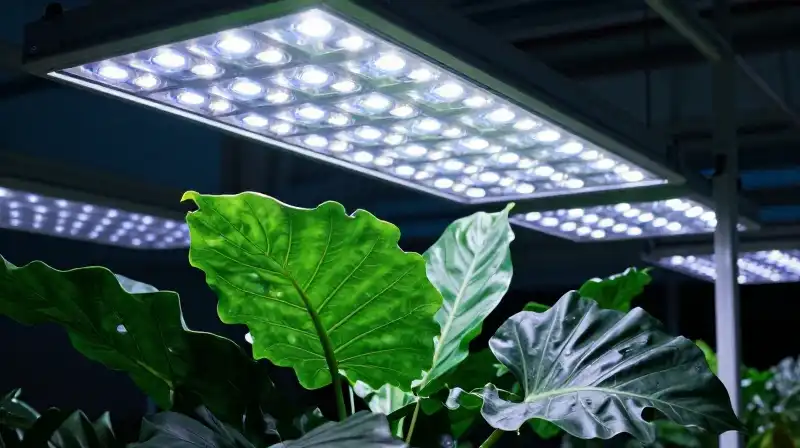 Choosing between a large fixture, a bar, or various grow lights requires consideration of coverage, heat, and power efficiency.
How Many Watts Grow Lights for Alocasia?
There is no universal wattage answer, as the efficiency of the LED unit varies significantly. The focus should be on achieving the target PPFD (200–400 µmol/m²/s) at the specified distance (18–24 inches). To determine the needed wattage, you must consult the product’s specifications for PPFD output per watt (efficacy). For a setup designed to cover multiple plants, large, high-output LED fixtures are generally preferred over multiple small units, as they provide a more uniform light wash and reduce shadowing.
Choosing the Best Light Configuration
The required setup depends entirely on the number of plants and their overall size:
| Setup Type | Recommended Use | Primary Benefit |
|---|---|---|
| Large Fixture System | Multiple large or medium Alocasia | Guarantees even light density across the entire root zone, preventing shadowing. |
| Bar-Style Fixture | Clustered smaller plants or shelves | Efficient use of vertical space and stable light output. |
| High-Output Spot Lights | Single, large Alocasia | Allows for focused, intense light necessary for very large specimens, but requires precise angling. |
Preventing Light Stress: Leggy Growth vs. Leaf Burn
Alocasia, like most rainforest-dwelling plants, is sensitive to extremes. Managing light effectively means recognizing the symptoms of light deficiency and light overload.
Identifying Light Deficiency (Low Light)
When light is insufficient (typically below 200 µmol/m²/s), the plant attempts to compensate by stretching. Signs include:
- Noticeably long stems between leaf nodes (leggy growth).
- Significantly smaller leaves than expected.
- A general lack of robust vigor or vibrant color.
The solution is increasing intensity or reducing the distance.
Identifying Light Burn (High Light)
When light intensity is too high, the foliage absorbs too much energy, leading to damage. Signs include:
- Discoloration, fading, or bleached patches on the leaves.
- Brittle or damaged leaf edges.
- Reduced vibrancy in the characteristic leaf patterns.
The remedy is to slightly increase the distance of the fixture or reduce the duration of exposure.
Practical Synthesis for Optimal Alocasia Light Setup
 To successfully cultivate Alocasia, view light not as a general requirement, but as a precise variable that must be balanced against humidity and temperature. While the optimal light environment for Alocasia includes moderate temperatures (65–80°F) and high humidity (60–70%), the lighting component demands a specific, controlled approach. The key to success lies in integrating the light setup with a stable, measurable environment:
- Measure: Use a PPFD meter to ensure the target range of 200–400 µmol/m²/s is consistently met at the foliage level.
- Position: Set the light between 18 and 24 inches away initially, monitoring plant response.
- Schedule: Implement a strict timer for 10–12 hours of illumination daily.
- Evaluate: Observe the leaves for fading or stretching; these are the clearest indicators that your current light setup needs adjustment.
By prioritizing controlled intensity over raw wattage, growers can maintain the vibrant, robust characteristics of Alocasia and avoid common growth pitfalls.
Explore more: The Three Horns of Odin: Mythological Origins and Historical
Frequently Asked Questions
How many watts grow light for alocasia?
There is no universal wattage answer because the efficiency of the LED unit varies significantly. Instead, the focus should be on achieving the target light density (PPFD) of 200–400 µmol/m²/s at a distance of 18–24 inches.
How far should grow light be from alocasia?
The recommended distance for positioning grow lights above Alocasia foliage is 18 to 24 inches. This distance should be dynamic, requiring the light to be moved closer as the plant matures to maintain the necessary light density.
How to Optimize Light Setup for Alocasia
Measure Light Intensity
Use a PPFD meter to ensure the target range of 200–400 µmol/m²/s is consistently met at the foliage level.
Position the Fixture
Set the light between 18 and 24 inches away initially, monitoring plant response.
Set the Schedule
Implement a strict timer for 10–12 hours of illumination daily.
Evaluate Plant Response
Observe the leaves for signs of fading or stretching; these are the clearest indicators that your current light setup needs adjustment.
Related Articles