How to Grow Japanese Ferns: Care, Soil, and Shade Requirements

Introduction
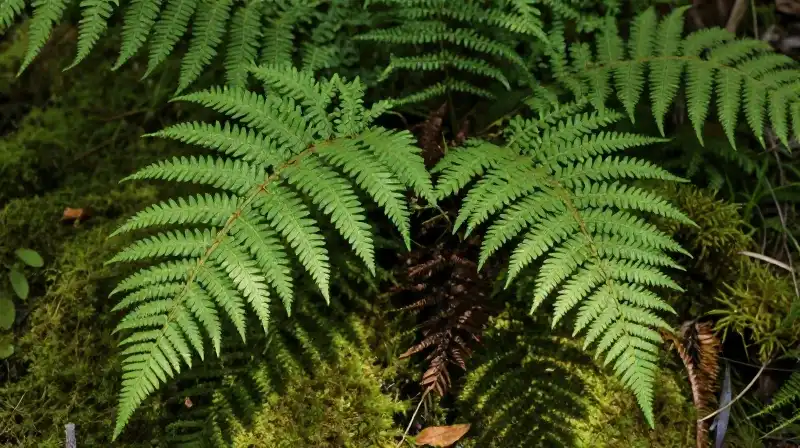
The Japanese Painted Fern (often recognized by the former classification *Athyrium niponicum* but now widely recognized for its striking ornamental value) is prized for its unique tri-color foliage, featuring cascades of creamy white, soft green, and deep burgundy. Successful cultivation hinges on managing a specific set of environmental demands: consistent moisture and controlled light. This guide outlines the precise requirements for soil, shade, and care needed to ensure your Japanese ferns thrive, transforming a garden space into a lush, shaded sanctuary.
Optimizing Light and Shade Placement
 The appearance of the Japanese Painted Fern—specifically the intensity and prominence of its tri-color markings—is directly dependent on its light exposure. Misplacement is the most common cause of poor growth or color fading.
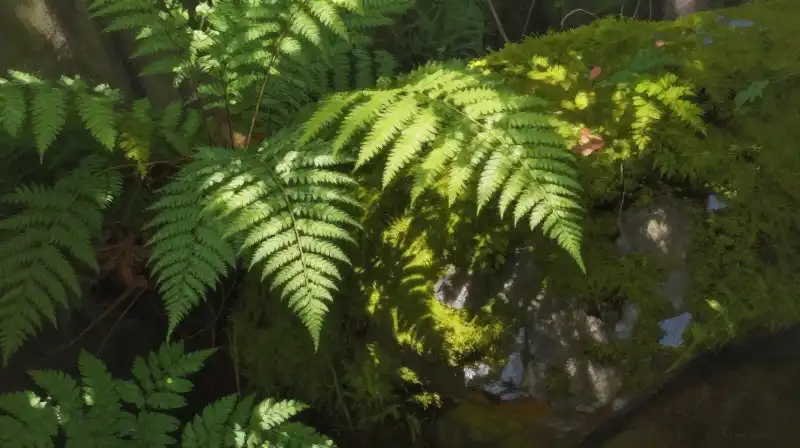
These ferns are inherently shade-loving and prefer environments ranging from partial shade to full shade. Positioning them in harsh, direct sunlight will bleach the delicate pigments of the fronds, turning the striking colors a uniform, dull green. Optimal growth occurs when the foliage receives filtered light, allowing dappled sunlight to penetrate the canopy of nearby trees without causing scorching.
Differentiating Shade Levels
When selecting a spot for your Japanese ferns, consider the subtle differences between various shade intensities:
- Partially Shaded: This is often the ideal sweet spot. It provides enough ambient light for the fronds to display rich color while preventing the bleaching effect of harsh sun.
- Heavy Shade: The plant thrives here, especially in established woodland settings, but maintain careful attention to moisture, as slow growth in deep shade can lead to dryness.
- Full Shade: While the plant tolerates this, vigorous new growth and the vibrant, high-contrast coloring may be less pronounced compared to spots that receive some filtered morning light.
Establishing the Ideal Growing Environment
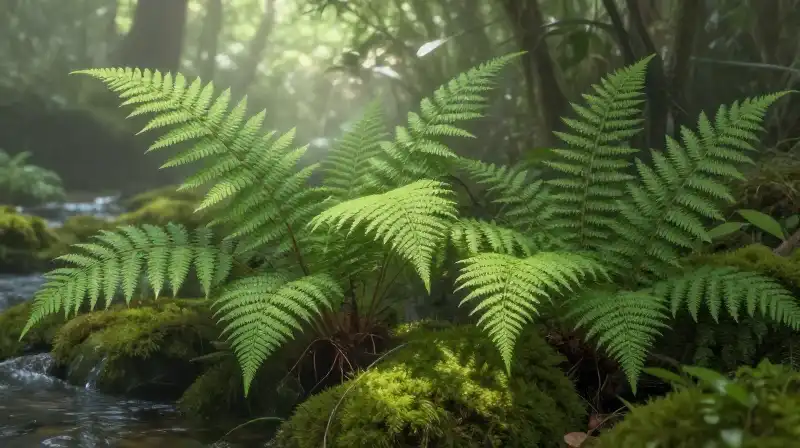 Japanese ferns require more than just decent light; they require a consistently moist and nutrient-rich foundation. The health of the entire plant depends on the quality of the root zone and the consistent availability of water.
Soil Composition and Moisture
Because these ferns are often used in woodland or stream-side plantings, their preferred soil is rich, organic, and highly porous. The soil must retain moisture effectively but also drain well to prevent root rot, a critical failure point for many ferns.
To replicate this ideal environment in your garden, create a humus-rich soil base:
- Base Mix: Start with high-quality, moisture-retaining potting mix or native garden soil.
- Organic Amendments: Incorporate plenty of well-rotted compost or aged leaf mold. This provides the necessary rich nutrients and improves soil structure.
- Drainage Improvement: If using heavy clay soil, mix in perlite or coarse grit to ensure excess water can quickly move away from the rhizomes.
Addressing Water Needs
Watering is not a casual affair for Japanese Painted Ferns. They need a consistently moist root zone, but “constantly wet” is detrimental. The goal is saturation followed by steady hydration.
During the active growing season (spring through fall), water deeply and regularly, especially after periods of dry weather. For winter dormancy, maintaining a consistently moist environment is still important to keep the rhizomes healthy, even though the fronds will naturally shed (deciduous nature).
Cultivation and Long-Term Maintenance
Once established, the maintenance required for Japanese Painted Ferns is generally low, provided the moisture and shade conditions are met. Proper care, however, involves routine tidiness to ensure maximum vitality.
Pruning for Vigorous Growth
The fern is deciduous, meaning it naturally sheds its fronds in the winter and produces robust new growth in the spring. To encourage the healthiest subsequent growth cycles, regular pruning is advisable.
When to Prune: Late winter or early spring is the best time to carefully cut away any dead, yellowing, or damaged fronds. This action directs the plant’s energy toward the underground rhizomes and the production of vibrant, healthy new shoots, promoting a denser, more profuse display.
Managing Rhizome Spread
Japanese Painted Ferns grow in a clumping manner, spreading slowly through underground rhizomes. While this creates a lovely dense coverage over time, it is important to recognize this spreading nature.
If you desire a strictly contained planting, you must manage the rhizomes. Conversely, if you are seeking to create a dense, natural meadow-like texture, allow the plant to spread, as it will effectively colonize the soil surface, making it an excellent foreground companion plant.
Environmental Considerations and Pitfalls
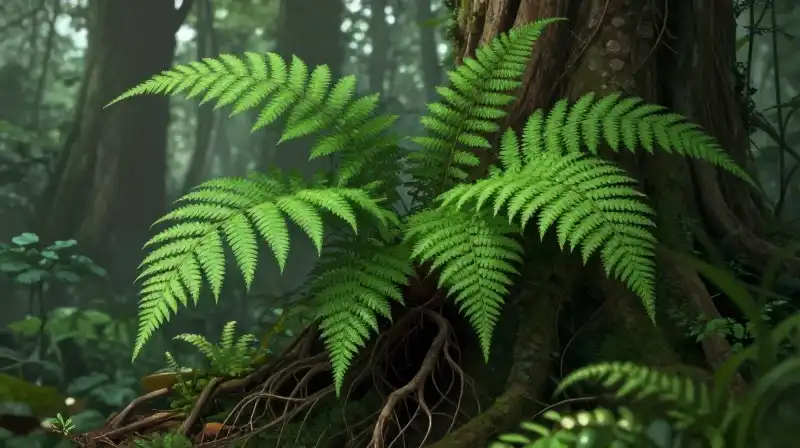 Even in perfect soil and shade, external factors can hinder the growth of these sensitive ornamental ferns.
Pest and Moisture Management
Japanese Painted Ferns are highly susceptible to mollusks, such as slugs and snails, particularly during the moist spring months when new growth is tender. Protecting emerging fronds is often a necessary step for successful establishment. Barriers, such as coarse sand or specialized commercial slug deterrents, can prevent significant damage.
Hardiness and Location Limits
These ferns are generally resilient and adaptable, but their success is tied to their hardiness rating. They are typically best suited for USDA Hardiness Zones 4 through 8. Beyond this range, environmental conditions may stress the plant, potentially impacting its color and structural integrity. When selecting where to buy Japanese ferns, ensure the nursery can advise you on the specific hardiness rating of the variety you choose, as regional climate variations can affect growth.
Summary of Successful Care Criteria
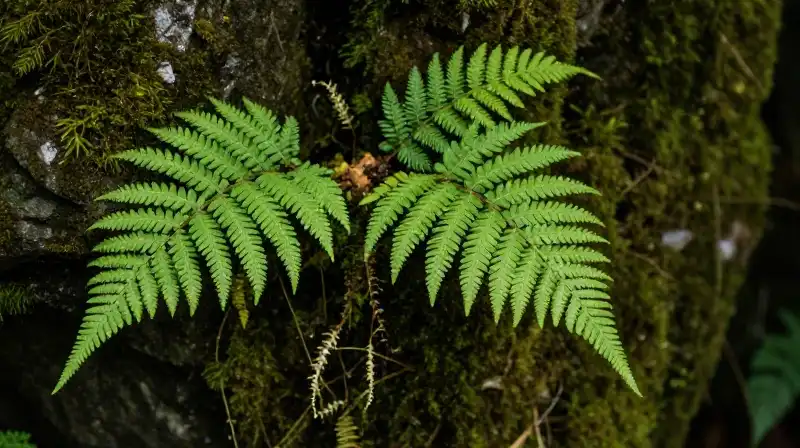
To summarize, the successful establishment and long-term maintenance of a Japanese Painted Fern depend on balancing moisture and light. Do not treat this as a casual garden plant; treat it as a specialized woodland species.
The key to avoiding common pitfalls is adhering to three specific priorities:
- Prioritize Moisture: Maintain a consistently moist, well-draining environment at all times, especially during the active growing season.
- Filter the Light: Place the fern in partial to heavy shade to preserve the vivid, tri-color characteristics of the foliage.
- Maintain Cleanliness: Regularly prune dead fronds in early spring to encourage the rhizomes to channel energy into new, healthy growth.
By observing these criteria, you can ensure that your Japanese ferns maintain their ornamental brilliance, providing a cascade of elegance to your shaded landscape for years to come.
Explore more: The Three Horns of Odin: Mythological Origins and Historical
How to Cultivate Japanese Painted Ferns
Select the Right Placement
Position the Japanese Painted Fern in partial to heavy shade, preferably receiving filtered light, to preserve its tri-color foliage and prevent color fading.
Prepare the Soil
Create a humus-rich, porous soil base by starting with a moisture-retaining potting mix and incorporating plenty of well-rotted compost or aged leaf mold. Add perlite or coarse grit if using clay soil to improve drainage.
Water and Hydrate
Maintain a consistently moist root zone throughout the active growing season by watering deeply and regularly, but avoid keeping the soil constantly wet to prevent root rot.
Prune for Vigorous Growth
In late winter or early spring, prune away any dead, yellowing, or damaged fronds to encourage the plant to channel energy into healthy new shoots.
Related Articles