How to Grow Pawpaw Seedlings: Care and Spacing Requirements

Introduction
The Pawpaw, Asimina triloba, is a native North American fruit tree celebrated for its intensely tropical flavor—often described as a blend of banana pudding and mango. While the fruit is delicious, its value extends to its high nutritional profile and noted resistance to pests. Successfully establishing a healthy Pawpaw tree, starting from pawpaw seedlings, requires specific attention to its unique cultural needs, particularly regarding site selection and long-term maintenance. Unlike many common fruit trees, Pawpaw is highly sensitive to specific environmental factors like wind and soil salinity, making careful planning essential for thriving cultivation.
Optimizing Site Selection for Pawpaw Cultivation
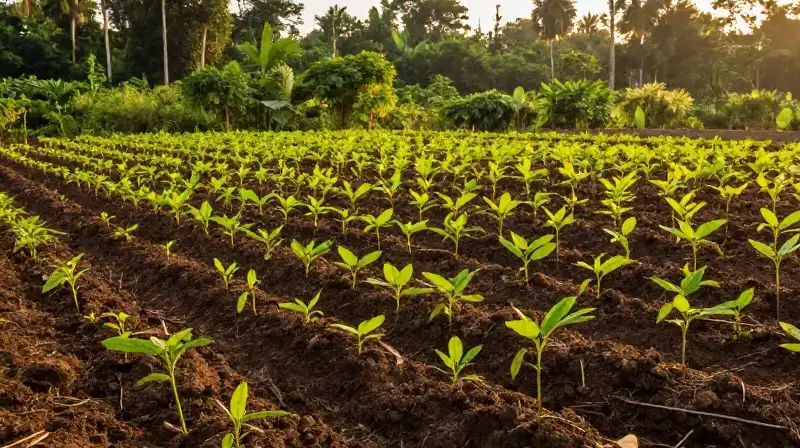
Pawpaw trees are remarkably adaptable, but optimal placement maximizes their chances of survival and productive fruiting. The primary goal during site selection is ensuring the tree has adequate protection and ideal root conditions.
Climate and Hardiness Requirements
Pawpaw thrives in regions generally within Hardiness Zones 5–8. Within this range, the tree exhibits excellent tolerance for heat and humidity, making it suitable for various climates. Because it is categorized as a native understory fruit tree, it demonstrates good tolerance for both partial shade and wet soil conditions, an advantage over many cultivated varieties.
Protecting Against Wind and Soil Issues
Wind exposure is one of the most critical factors to manage when planting. Pawpaw seedlings require protection from strong prevailing winds, as this stress can severely hinder establishment. Therefore, ideal planting locations are usually found in lower fields, strategically positioned about twenty feet away from a natural treeline or an artificial windbreak. If a natural windbreak is unavailable, installing one is strongly recommended during the initial growing phase.
Furthermore, Pawpaw has a notable poor tolerance for salt. Avoid planting near areas subject to salt spray or heavy road salt accumulation, as this can lead to stunted growth and decline.
Spacing Guidelines: Standalone vs. Hedge Planting
The required spacing depends entirely on the intended landscape use of the tree. Proper spacing ensures the mature canopy can develop fully without competing negatively with neighbors or other plants.
- Standalone Trees: For a single, robust specimen intended as a feature tree, recommend spacing of 10–14 feet apart.
- Hedge Planting: If utilizing pawpaw for hedging or border definition, a closer spacing of 6 feet is appropriate.
- Individual Seedling Planting: When initially establishing pawpaw seedlings, ensure a minimum area of ten feet by ten feet is allocated to allow the root system to develop a strong, extensive network.
Because offspring from pawpaw plants often inherit parental characteristics, selecting the correct spacing now helps manage the growth rate and eventual size of the mature tree.
Establishing Seedlings and Initial Care
When starting from seedlings, the methods used for early growth are vital to the tree’s long-term health.
Root Establishment and Treepots
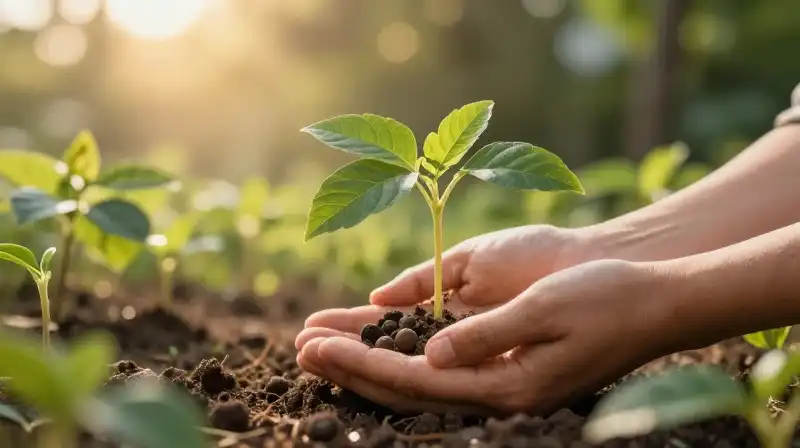
To facilitate the development of a robust root system, especially when acquiring pawpaw seedlings, it is highly advisable to grow them in larger container pots, often referred to as treepots. Starting in larger containers allows for better root development before transplant, increasing the chances of successful establishment in the final planting location.
Nutrient and Water Management
Pawpaw trees are generally low maintenance and demonstrate good drought tolerance once established. However, consistent moisture is needed during the establishment phase. While they tolerate some shade, ensuring well-drained soil is paramount. Because the plant is relatively resistant to most common pests and diseases, intensive chemical spraying for pest management is typically unnecessary.
Critical Growing Conditions and Genetic Nuances
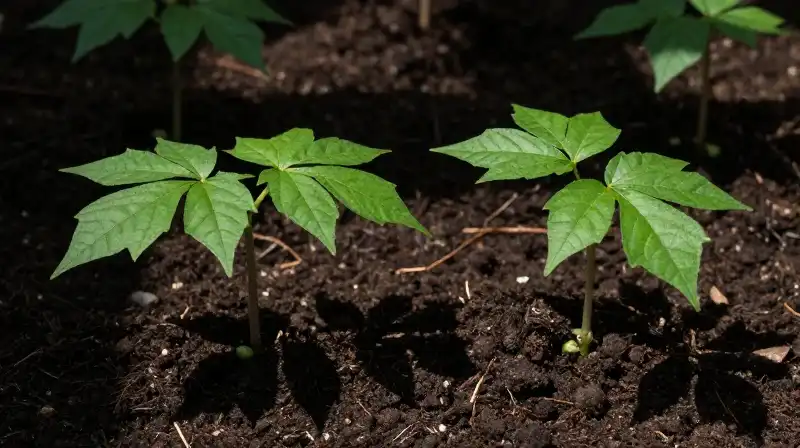
Successful Pawpaw cultivation goes beyond simple location and watering; it involves understanding the tree’s reproductive and genetic requirements.
The Importance of Cross-Pollination
Pawpaw is not self-fertile, meaning it requires successful cross-pollination to set fruit. Therefore, when planning an orchard or grouping trees, you must plant at least two genetically different pawpaw trees within close proximity to ensure adequate fruit set. Failure to have genetically diverse trees will result in little to no fruiting.
Understanding Genetic Diversity
Pawpaw seedlings are genetically unique individuals. Even those maintained within a strong genetic background can vary significantly in terms of fruit size, shape, and flavor. While this uniqueness is part of the tree’s appeal, growers seeking specific qualities should select quality selections that maintain a known and strong genetic lineage.
Practical Considerations for Successful Cultivation
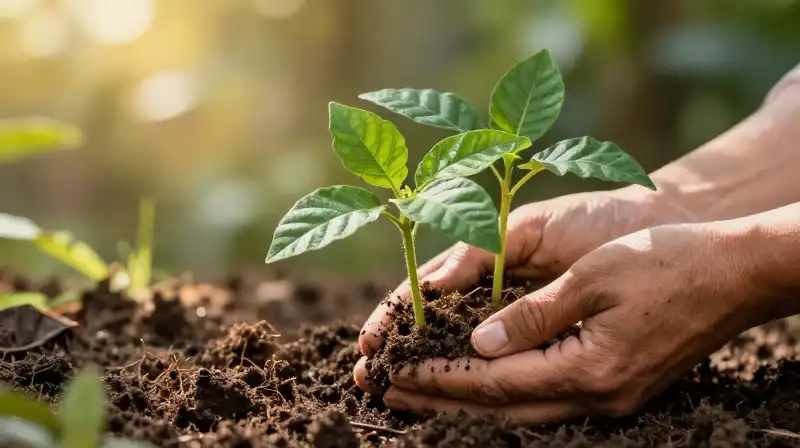
Before committing to a planting project, consider these critical decision points to avoid common pitfalls:
- Verify Wind Shelter: Confirm the intended planting site is adequately protected from prevailing winds, especially during the first year of growth.
- Check Soil Salinity: Perform a quick check for high salt content; if the soil is saline, alternative species may be necessary as Pawpaw has very poor salt tolerance.
- Plan for Diversity: Do not plant a single variety; ensure at least two distinct, genetically different trees are present to guarantee successful pollination and fruit yield.
- Prioritize Drainage: Regardless of the soil type, the drainage must be excellent to prevent root rot.
Successful growing of Pawpaw is a testament to careful planning and understanding the tree’s specific needs. By focusing on wind mitigation, genetic diversity, and ensuring impeccable soil drainage, you provide these resilient, native trees the best environment to produce the uniquely rich and tropical flavor they are known for.
How to Successfully Cultivate a Pawpaw Tree
Assess the Site
Ensure the intended planting site is protected from strong prevailing winds by positioning the tree near a natural treeline or installing a windbreak, as Pawpaw is sensitive to wind stress.
Check Soil Conditions
Perform a salinity check on the soil. Since Pawpaw has poor salt tolerance, avoid planting near salt spray or heavy road salt accumulation.
Plan for Diversity
Ensure genetic success by planning for cross-pollination; at least two genetically different pawpaw trees must be planted in close proximity.
Manage Spacing
Determine appropriate spacing based on use: 10-14 feet for standalone trees, 6 feet for hedge planting, or a minimum area of 10x10 feet for individual seedlings.
Prioritize Drainage
Verify that the soil has excellent drainage to prevent root rot, regardless of the overall soil type.
Nurture Seedlings
If starting from seedlings, encourage root development by initially growing them in larger container pots, known as treepots.
Manage Establishment Moisture
While Pawpaw is drought tolerant once mature, consistent moisture is crucial during the initial establishment phase.
Related Articles