Canada Red Prunus Care: Establishing Size and Long-Term Health

Introduction
The Canada Red chokecherry, or Prunus virginiana, is valued for its beauty, robust nature, and historical presence in temperate landscapes. However, successful establishment and long-term health of this species are not guaranteed by planting alone. Achieving optimal growth requires a deliberate approach that combines correct initial execution—from planting depth to soil preparation—with consistent, informed care throughout its life cycle. This guide provides the necessary horticultural depth to move beyond basic planting, focusing on managing size expectations, nurturing plant vitality, and mitigating environmental threats to ensure your Canada Red flourishes.
Determining Maturity: Size and Growth Rates
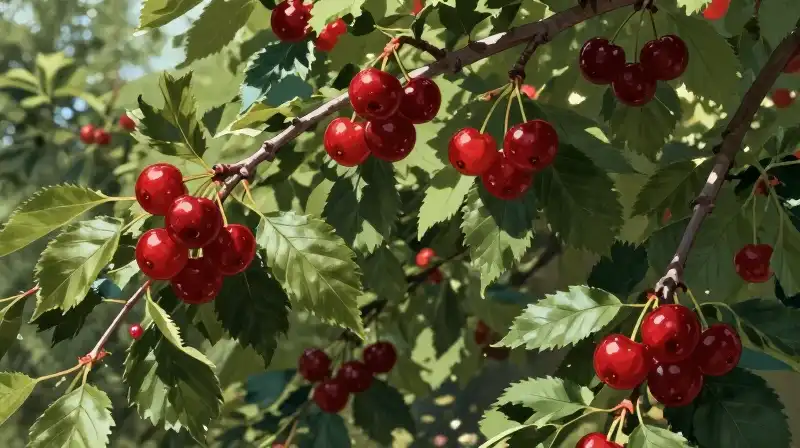
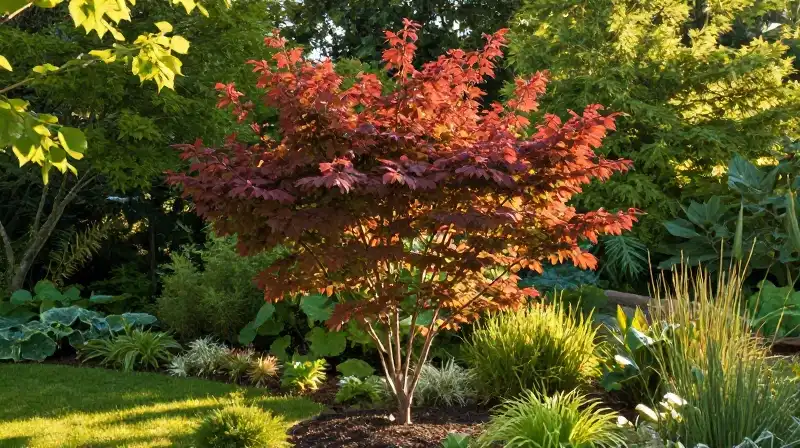
A common question when selecting a Canada Red chokecherry is how large it will become. Understanding its mature size is vital for proper landscape planning. As a deciduous tree, Prunus virginiana typically reaches a moderate size, often described as having an oval or rounded crown and a straight trunk. While specific growth can vary greatly based on soil quality, climate, and resource allocation, this species generally develops to be 20 to 25 feet (6 to 7.5 meters) tall. It is important to note that some individuals may develop less spread than average, but the overall height remains the primary characteristic.
Because its growth is contingent upon continuous proper cultivation, growth rate is not static. Young plants may establish quickly, but sustained, consistent resources—particularly adequate water—will dictate whether it reaches the full potential size and vigor. Planning for its mature footprint is key to preventing future maintenance issues.
Establishing Health: The Critical Planting Phase
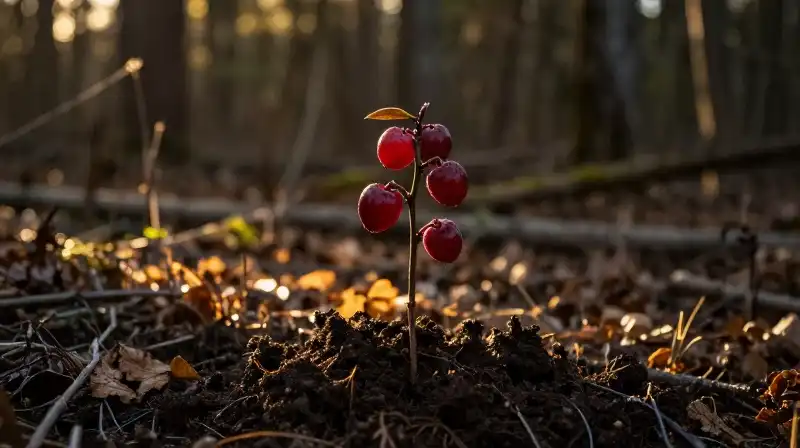
The foundation of a healthy Prunus virginiana begins in the hole. Incorrect planting depth or poor site selection can lead to stunted growth or failure, regardless of the subsequent care provided. Optimal establishment relies on adhering to horticultural standards.
When preparing the site for your Canada Red chokecherry, observe the following steps:
- Depth: Ensure the plant is situated at the correct depth. Typically, the root collar—the junction where the trunk meets the roots—should be level with or slightly above the surrounding native soil grade. Planting too deeply can restrict trunk growth and lead to poor root function.
- Soil Conditions: These trees thrive in conditions that allow for good drainage. While resilient, avoiding overly waterlogged or compacted soil is crucial for long-term health.
- Initial Protection: Once planted, the tree needs protection from immediate environmental stress. Mulching around the base (keeping mulch away from the trunk itself) helps retain moisture and regulates soil temperature, aiding early root development.
Maintaining Vitality: Long-Term Care Strategies
After the initial establishment period, the maintenance regimen shifts toward long-term health management. The living nature of the chokecherry means that its survival depends on providing stable, supportive resources.
Care should focus on three primary areas: watering, protection, and cultivation.
Optimal Water Management
Adequate watering is arguably the most essential component of plant longevity. While mature trees require less intensive watering than young saplings, the periods of establishment and during dry spells require consistent moisture. Providing deep, infrequent watering encourages strong, deep root systems, which are essential for surviving dry seasons and seasonal fluctuations.
Mitigating Environmental and Pests Damage
Trees and shrubs require protection from external stressors. This involves shielding them from excessive wind or harsh environmental elements in their early years. Furthermore, gardeners should routinely monitor the tree for common pests and diseases. Early detection of blemishes or insect activity allows for targeted intervention, preventing localized problems from escalating into systemic plant health crises.
Cultivation should also involve periodic pruning if necessary to maintain a desired shape or to encourage better airflow, which helps reduce the risk of fungal diseases.
Decision Criteria: Pros, Cons, and Known Risks

When considering Prunus virginiana for your landscape, evaluating its characteristics against your specific needs is crucial. This evaluation must include aesthetics, practical uses, and safety considerations.
While the chokecherry is highly decorative, it is important to understand its limitations and risks:
| Attribute | Detail | Implication |
|---|---|---|
| Pros | Attractive fall color, historical significance, fruit production. | Provides aesthetic value and culinary/medicinal potential. |
| Cons | Moderate size (20-25 ft), requires maintenance, potential for invasive characteristics in some regions. | Requires adequate space in the landscape and regular monitoring. |
| Safety/Toxicity | Canada Red Chokecherry is poisonous. | Fruit and parts of the plant can be toxic if ingested. Must be kept away from children and pets. |
It is essential to weigh the decorative benefits against the need to keep the plant safe and manageable within your property boundaries.
Practical Warnings and Synthesis for Success

Ensuring the successful growth of a Canada Red chokecherry demands moving beyond simple planting. The primary failure points in horticulture are usually rooted in misjudging the site or neglecting the ongoing needs of the plant.
To summarize the key to long-term health, focus on these three non-negotiables:
- Contextual Placement: Do not plant outside of recommended horticulture zones. Climate limits and local weather patterns dictate the true likelihood of guaranteed growth and success.
- Resource Commitment: View cultivation as an ongoing investment. Providing consistent, deep watering and necessary nutritional support is what differentiates a surviving plant from a thriving, vigorous specimen.
- Vigilance: Constant monitoring for pests, root stress, and water deficits is the only way to prevent minor issues from becoming insurmountable problems.
By treating the Prunus virginiana not just as a decorative shrub, but as a long-term, living investment, you can maximize its potential for size, health, and beauty.
Frequently Asked Questions
How big do Canada red Prunus get?
The Canada Red chokecherry, Prunus virginiana, generally develops to be 20 to 25 feet (6 to 7.5 meters) tall. While specific growth can vary based on climate and soil quality, this height is considered its primary characteristic.
How to successfully grow a Canada Red chokecherry
Prepare the planting site
Ensure the tree is situated at the correct depth; the root collar should be level with or slightly above the surrounding native soil grade, and the site must allow for good drainage.
Provide initial protection and mulch
Once planted, mulch around the base of the tree, keeping the mulch away from the trunk to retain moisture and regulate soil temperature.
Manage water intake
Provide deep, infrequent watering to encourage the development of strong, deep root systems, particularly during the establishment period and dry spells.
Maintain vitality and monitor for pests
Routinely monitor the tree for common pests and diseases, and perform periodic pruning if necessary to maintain desired shape or improve airflow.
Ensure long-term health through vigilance
Continuously monitor the plant for root stress and water deficits, and never plant outside of recommended local horticulture zones.
Related Articles