Jacob Cline Bee Balm: Care and Companion Plant Ideas

Introduction
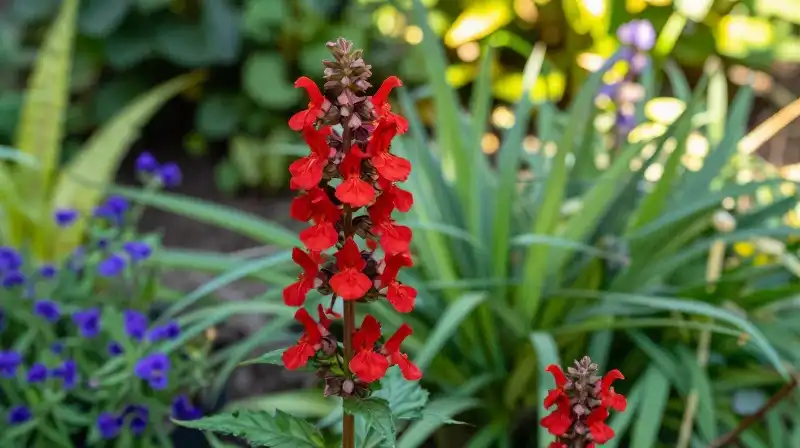
Jacob Cline Bee Balm (*Monarda didyma*), or Monarda didyma ‘Jacob Cline’, is a standout hybrid native variety celebrated for its fiery red blooms and robust growth. Characterized by its striking, tubular flowers and impressive stature, this perennial provides reliable color from early summer through early fall while serving as a critical magnet for hummingbirds, butterflies, and bees. With its natural resistance to pests like deer and a good defense against powdery mildew, Jacob Cline is a resilient choice for gardeners. This guide offers specific insights into its cultivation, optimal placement, and how to integrate it successfully into your existing landscape.
Growth Profile and Essential Plant Requirements
 To maximize the health and appearance of Jacob Cline, understanding its specific needs is paramount. This cultivar is a vigorous grower, typically reaching a height of 4–5 feet and spreading up to 3 feet. It is well-suited for planting across Zones 4 through 9, but its performance is tied directly to its environmental parameters. To ensure robust growth, provide the following conditions:
- Light: Jacob Cline thrives in full sun, though it will also tolerate partial shade. Consistent light ensures the plant puts its energy into prolific blooming.
- Soil: It prefers rich, organic, and moist soil, though it is versatile enough to establish itself in average soil. Always amend heavy clay or poor soils with organic matter to improve drainage and nutrient retention.
- Moisture: Consistent soil moisture is key to keeping the plant healthy throughout its growing season.
Cultivating Jacob Cline for Optimal Bloom
 Successful maintenance turns a simple planting into a spectacular display. While Jacob Cline is a rapid grower and propagates easily via self-sowing or underground stems, its long-term vitality depends on specific care routines. For the best performance:
- Deadheading: Regularly removing spent flowers (deadheading) encourages the plant to continue producing new blooms, effectively prolonging the blooming period well into the autumn.
- Soil Health: Since it favors rich soil, adding compost annually helps maintain a nutrient-dense environment for sustained vigor.
- Pest Management: While the cultivar exhibits resistance to deer, maintaining a clean environment and ensuring proper soil health minimizes the risk of common issues like powdery mildew.
What to plant with Jacob Cline bee balm? Companion Planting Ideas
Integrating Jacob Cline into a mixed garden plan should be approached by considering both aesthetic contrast and functional benefits, such as support for pollinators. Many plants complement its vibrant red blooms and vigorous growth habit.
Attracting and Supporting Pollinators
To enhance the ecological value of your garden, pair Jacob Cline with other pollinator magnets that bloom at different times of the year.
- Continuous Bloom: Interplanting it with other perennial flowers (like Salvia or Echinacea) that bloom early spring or late fall provides a steady food source for bees and butterflies throughout the entire growing season.
- Structural Contrast: Plant it near shorter, mounding foliage plants that can stay out of the plant’s robust footprint, allowing the Bee Balm to reach its full 5-foot potential without being crowded.
Pairing with Ornamental and Functional Plants
When deciding what to grow alongside Jacob Cline, consider its height and resilience.
| Companion Type | Example Plant | Reason for Pairing |
|---|---|---|
| Ground Cover | Wild Geranium | Provides a neat, low-growth base that contrasts nicely with the Bee Balm’s height and requires less space. |
| Fragrant Contrast | Lavender | The strong scent of Lavender pairs well with Bee Balm and helps deter certain pests while complementing its red tones. |
| Vertical Interest | Ornamental Grasses | Tall grasses provide movement and movement, offering a beautiful, textural backdrop to the plant’s stiff, tubular blooms. |
Addressing Common Planting Concerns
 A few practical nuances can prevent common errors and confusion when growing Jacob Cline Bee Balm.
Moisture vs. Overwatering
While the plant requires consistent moisture, it does not thrive in standing water. The ideal scenario is rich, moist soil, not soggy soil. Ensure your location has adequate drainage, as overwatering can lead to root rot, negating the benefits of rich soil.
Growth Management and Shaping
As a rapid, vigorous grower, it is essential to manage its spread. If planted in a contained space, occasional staking or trimming of the lower foliage can help maintain a tidy, upright appearance and direct the plant’s energy upward toward better blooming.
Practical Summary: Making the Decision
Jacob Cline Bee Balm is an excellent, low-maintenance choice for gardeners seeking reliable color and ecological benefit, provided its specific needs for light and moisture are met. It excels in areas that receive full sun and has a tolerance for average to rich soil. If you are looking to maximize its impact, prioritize deadheading to extend the season and select diverse companion plants—particularly those that support pollinators—to create a layered and productive habitat.
Frequently Asked Questions
What to plant with Jacob Cline bee balm?
To support pollinators, interplant Jacob Cline with perennial flowers like Salvia or Echinacea; for aesthetic contrast, consider pairing it with plants such as Wild Geranium, Lavender, or Ornamental Grasses.
How to Cultivate Jacob Cline Bee Balm
Assess the environment
Select a planting site that receives full sun, though it can also tolerate partial shade.
Prepare the soil
Amend heavy clay or poor soils with organic matter to create a rich, nutrient-dense environment with good drainage.
Plant and maintain moisture
Plant the cultivar and ensure that consistent soil moisture is maintained throughout its growing season, avoiding standing water.
Manage growth and appearance
In contained spaces, periodically trim the lower foliage or use staking to maintain a tidy, upright appearance.
Encourage blooming
Regularly deadhead by removing spent flowers to promote continued production of new blooms into the autumn.
Sustain soil health
Annually add compost to maintain the rich soil structure needed for sustained vigor.
Related Articles