Peruvian Torch Cactus: San Pedro Species and Care Guide

Introduction
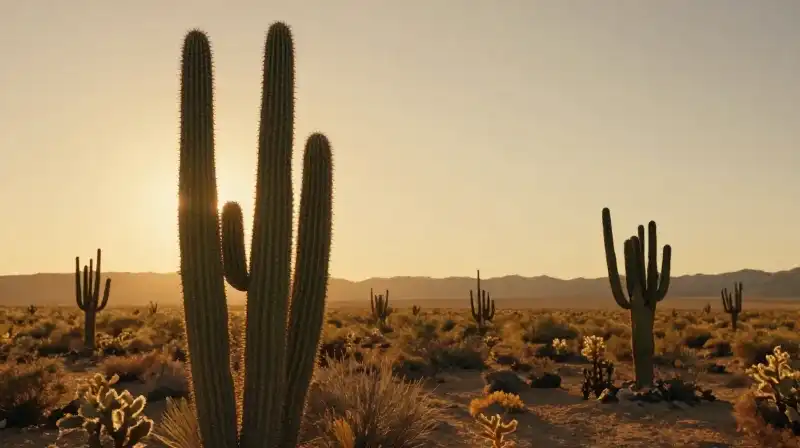
The Peruvian Torch cactus, scientifically recognized as *Echinopsis pachanoi*, is one of the most distinctive and culturally significant columnar succulents in the horticultural world. While often recognized by its name in the United States, this species is globally known as the San Pedro cactus, originating from the high-altitude Andes of Peru and Ecuador. Native to areas between 2,000 and 3,000 meters, this hardy, fast-growing plant is prized not only for its striking, robust aesthetic—typically deep green with a bluish tint—but also for its deep traditional roots. Understanding the Peruvian Torch cactus involves appreciating both its biological needs as a powerful plant and its complex cultural significance.
San Pedro vs. Peruvian Torch: Nomenclature and Identity
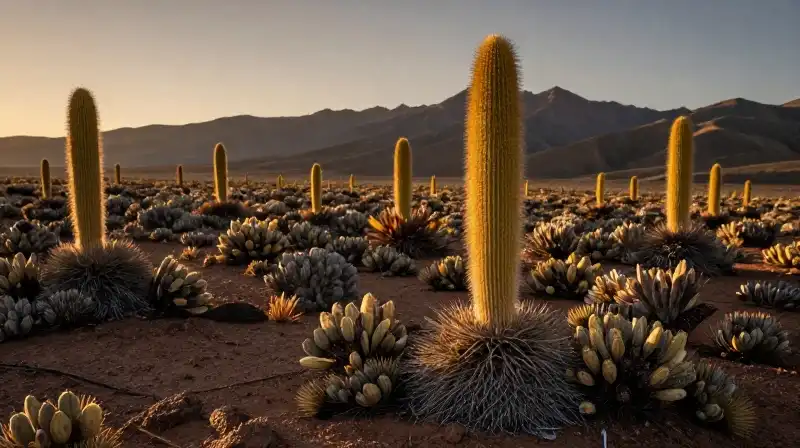 A frequent point of confusion in the plant community is the relationship between the terms San Pedro and Peruvian Torch. Simply put, they refer to the same plant (*Echinopsis pachanoi*), but their prevalence depends on geographical region. In the traditional Andean context and among botanists, it is often referred to as San Pedro, reflecting its historical use in indigenous culture. “Peruvian Torch” is the common vernacular term used primarily within Western markets. While the name “Peruvian” stems from its native habitat in northern Peru, the species is robust enough to thrive across a range of climatic conditions if provided with proper care.
Care and Cultivation of the Peruvian Torch Cactus
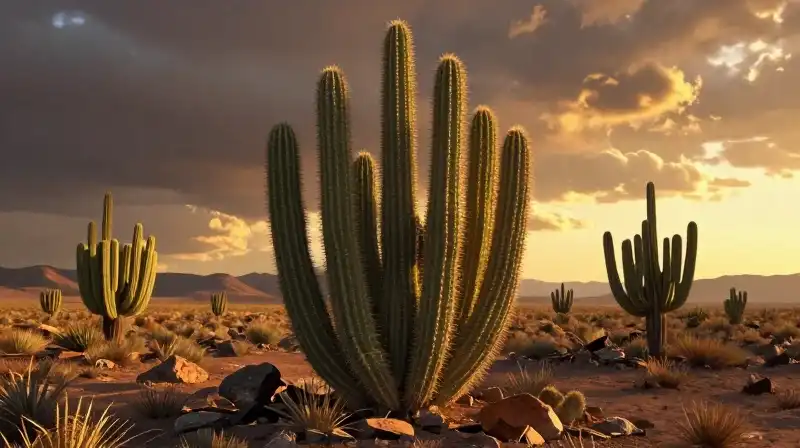 To grow a thriving *Echinopsis pachanoi*, success hinges on replicating its native, arid, high-altitude environment.
Optimal Environmental Conditions
This cactus requires specific conditions to maintain its robust health and prevent common pitfalls like rot or overwatering.
- Light: It thrives in full, bright sunlight. Due to its origins at high altitudes, it requires intense UV exposure to maintain its characteristic vibrant coloration.
- Temperature: While hardy, it is best suited for temperate to warm zones (USDA zones 8b to 10). It does not tolerate sustained freezing temperatures and should be brought indoors if unheated outdoor temperatures drop significantly.
- Soil: The ideal medium is fertile, highly free-draining soil. A cactus mix blended with perlite or coarse sand ensures that water drains quickly, preventing the root rot that often kills these species.
- Watering: Water sparingly. Most growers should wait until the soil is completely dry to water again. In temperate zones, reduce frequency during cooler months.
Propagation and Growth Rate
The Peruvian Torch is noted for its rapid growth potential, often reaching impressive heights of up to 12 meters in optimal conditions.
Growth can be accelerated through two primary methods:
- Seeds: Propagation through seeds is a viable option, though it requires specific germination techniques to ensure high success rates.
- Cuttings (Pups): Many specimens, particularly when acquired as younger plants or those with supplementary juvenile growth (pups), can be propagated using the developed root systems or stems of the parent plant.
Evaluating Plant Quality and Size
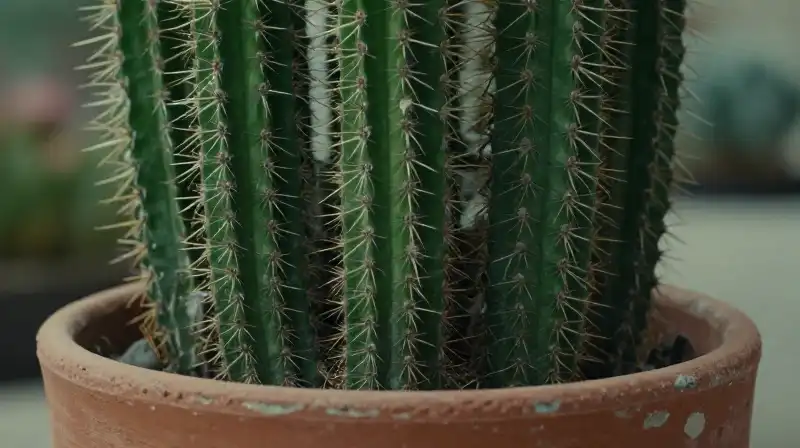 When purchasing a Peruvian Torch cactus, assessing the physical condition and developmental stage is crucial. Look for the following quality signals:
| Evaluation Point | High Quality Signal | What to Avoid |
|---|---|---|
| Aesthetic/Color | Striking, uniform deep green with a noticeable bluish tint; well-formed and symmetrical. | Significant dull patches, excessive scarring, or discolored areas that may indicate stress. |
| Root System | Presence of a developed, firm root system, suggesting a strong foundational state ready for optimal growth. | New, fragile, or mushy roots that suggest the plant was stored for too long without proper care. |
| Maturity | The plant shows consistent structural integrity and is often accompanied by established pups (juvenile growth). | Stunted growth or plants that appear overly spindly for their claimed size. |
Practical Considerations: Legality and Cultural Context
The Peruvian Torch cactus holds a unique position at the intersection of horticulture and cultural history.
Tradition and Cultural Significance
For over 3,000 years, the San Pedro cactus has been utilized in Andean culture for spiritual purposes. In Peruvian traditional practices, shamans use the cactus in a preparation known as *cimora* for diagnosis and cleansing. Its importance was formally recognized by the Peruvian Ministry of Culture, which declared the traditional medicinal use of the San Pedro cactus a cultural heritage in 2022.
Legal Boundaries
While cultivation for ornamental purposes is permitted in numerous jurisdictions globally, it is vital to be aware that the possession or consumption of psychoactive compounds found within the plant is heavily regulated. As the cactus contains various alkaloids, including mescaline, enthusiasts must remain informed about local laws to avoid legal issues.
Summary of Key Care and Purchase Priorities
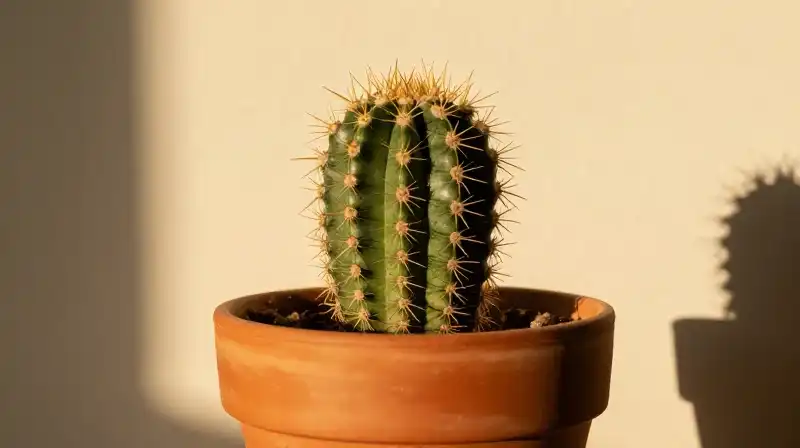 The Peruvian Torch cactus is a highly rewarding specimen for home gardeners and collectors, provided its specific requirements are met. When making a decision to purchase, remember that its health and growth are determined by environment more than genetics. For a successful long-term ownership experience, prioritize: 1. **Light Exposure:** Consistent, strong sunlight is non-negotiable for vibrant color and sturdy development. 2. **Drainage:** Never allow the soil to remain waterlogged; excellent drainage is the primary defense against the most common plant failure. 3. **Buyer Due Diligence:** Check for high-quality packaging and secure shipping, as the integrity of the specimen relies heavily on the transport process. 4. **Legal Awareness:** Maintain strict knowledge of the local regulations regarding the possession and use of the species in your area.
Explore more: Dia de los Muertos Skull Designs: Symbols and Artistic Inspi
Frequently Asked Questions
What is the difference between San Pedro and Peruvian Torch?
San Pedro and Peruvian Torch refer to the same plant, Echinopsis pachanoi, with their prevalence depending on geographical region. San Pedro is used in the traditional Andean context and by botanists, while Peruvian Torch is the common vernacular term found primarily within Western markets.
How cold hardy is Peruvian Torch?
While considered hardy, the Peruvian Torch is best suited for temperate to warm zones (USDA zones 8b to 10). It does not tolerate sustained freezing temperatures and should be brought indoors if unheated outdoor temperatures drop significantly.
How to Care for a Peruvian Torch Cactus
Provide Optimal Light Exposure
Place the cactus in full, bright sunlight. It requires intense UV exposure due to its high-altitude origins to maintain vibrant coloration.
Monitor and Control Temperature
Ensure the cactus remains in temperate to warm zones (USDA zones 8b to 10). Bring the plant indoors if temperatures drop significantly or if it is subject to freezing.
Select the Appropriate Soil
Use a fertile, highly free-draining medium. A cactus mix blended with perlite or coarse sand is ideal to prevent root rot.
Establish a Watering Routine
Water sparingly. Wait until the soil is completely dry before watering again. Reduce the watering frequency during cooler months in temperate zones.
Propagate the Plant
To grow new specimens, either propagate through seeds, following specific germination techniques, or use cuttings from the developed roots or stems of the parent plant.
Related Articles