Alocasia Black Velvet: The Definitive Care Guide for Variegated Growth

Introduction
The Alocasia ‘Black Velvet’ commands attention with its dramatic presentation, featuring a plush, near-black foliage accented by sporadic, elegant golden-yellow variegation. This rare aroid is prized by collectors for its striking, high-contrast appearance, but its magnificent colors rely heavily on precise environmental control. Whether you are looking to acquire an Alocasia Black Velvet or ensure its longevity, the key to success lies in understanding its specific, demanding needs regarding light and humidity.
This guide provides a detailed roadmap to successfully maintaining this unique plant, covering its growth patterns, substrate requirements, and the specific care protocols necessary to prevent color fading and promote robust, vibrant variegation. Because Black Velvet exhibits a varied variegation pattern—appearing as splashes, streaks, or sectoral panels—each care decision is critical to maximizing its aesthetic potential.
Identifying the ‘Black Velvet’ Aesthetic and Growth Habit
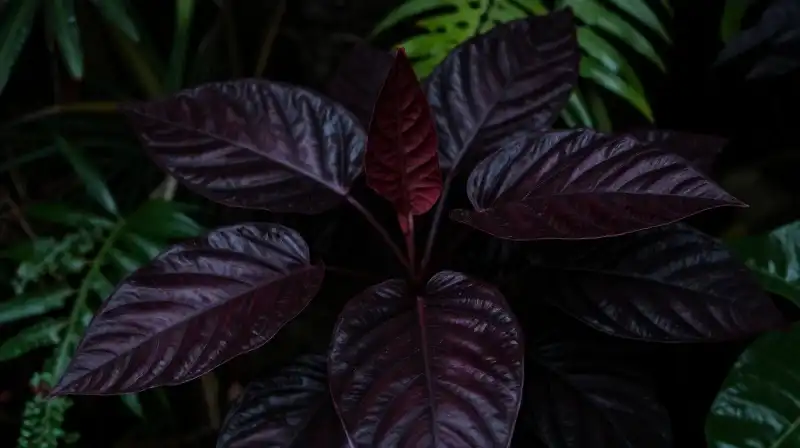
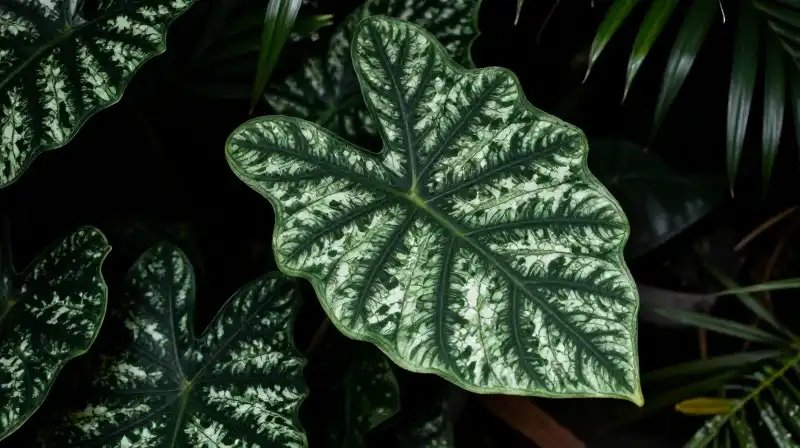
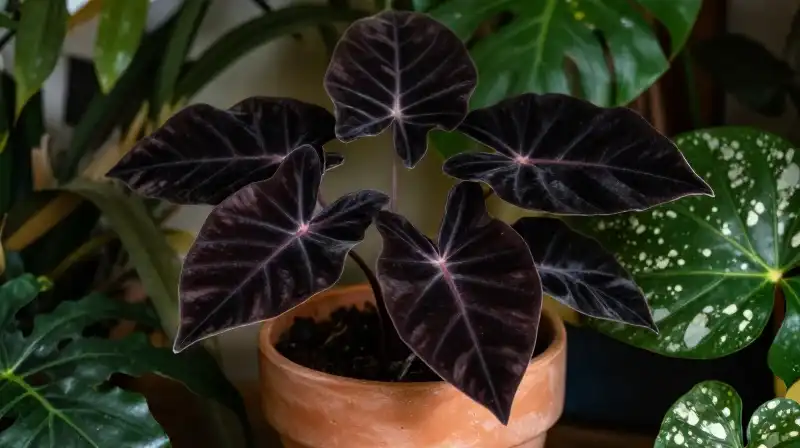
To successfully care for this aroid, it is essential to first understand its natural form. The Alocasia ‘Black Velvet’ is characterized by its tidy, compact rosette structure, which matures from a rhizomatous base, allowing it to develop a clumping habit over time. Its thick, arrow-shaped leaves possess a distinctly matte, plush texture, giving the plant its namesake velvet quality.
The most defining feature is its foliage contrast. The deep, velvety background provides a perfect canvas for the irregular golden-yellow variegation. This variegation is typically not uniform; it can manifest as scattered patches, distinct streaks, or large panels. The contrast is further accentuated by pronounced silvery-white veins that stand out against the dark leaf tissue.
Understanding Alocasia Variegation Dynamics
The variegation in Black Velvet is genetically determined but environmentally modulated. The intensity and spread of the gold patches often fluctuate based on the specific light conditions and health of the plant. Maintaining consistent, bright indirect light is the primary driver for maintaining strong color contrast, ensuring the ‘black’ truly looks velvety and the ‘gold’ remains vibrant.
Optimized Care Protocols for Vibrant Variegation
The Alocasia Black Velvet is not a low-maintenance plant. Its specialized needs, particularly regarding its microclimate, dictate specific requirements for light, watering, and air quality. Ignoring these details is the fastest way to compromise the plant’s health and the distinct color contrast that makes it desirable.
Lighting Requirements: Maximizing Color Contrast
This plant thrives in bright, indirect light. This is arguably the most crucial requirement for Black Velvet. Direct, intense sunlight can scorch the velvety leaves, and insufficient light will result in dull, muted foliage and weak variegation. Positioning the plant near a window that receives bright, filtered light is ideal.
- Ideal Location: Near an east- or north-facing window, or a spot receiving bright light filtered through a sheer curtain.
- Light Intensity: Bright indirect light supports the rich dark pigmentation and the development of vibrant gold streaks.
Water and Substrate Management
Like most Alocasia, Black Velvet prefers a high-quality, airy soil mix. The ideal substrate ensures rapid drainage while retaining sufficient moisture to keep the foliage healthy and robust. Overwatering is the most common fatal error for this plant, often leading to root rot.
Use a specialized aroid potting mix (containing perlite, orchid bark, and charcoal) and ensure the pot has excellent drainage holes. Water thoroughly when the top few inches of the soil feel slightly dry to the touch, allowing the excess to drain completely. Maintaining consistent moisture without saturation is the precise balancing act required.
Temperature, Humidity, and Airflow
Consistent warmth is necessary for robust growth and healthy variegation. Alocasia Black Velvet performs best in warm environments, ideally between 65°F and 80°F (18°C to 27°C). Low temperatures can severely stunt growth and dull the plant’s aesthetic appeal.
Elevated humidity is mandatory for maintaining the plush texture and strong color contrast of the leaves. If your indoor environment is dry, supplementing the air with a pebble tray or a humidifier will significantly boost the plant’s health and help retain the deep, velvety black hue against the golden variegation.
Addressing Common Alocasia Black Velvet Care Questions
Many collectors and prospective owners have specific questions regarding the plant’s behavior, growth, and long-term potential. Addressing these points helps clarify expectations for owning the Alocasia Black Velvet.
How does the Alocasia Black Velvet grow?
The plant grows via a rhizome, producing a clumping rosette habit. Over time, you will notice new shoots developing from the base as it matures. This growth pattern means that when purchasing one, you might eventually be gifted multiple “pups” or offsets as the parent plant spreads. These pups are small versions of the parent and usually require the same care protocols to thrive.
What about the Alocasia Black Velvet price and ‘albo’ variants?
The price of Alocasia Black Velvet typically depends on size and the quality of the variegation. It is a relatively specialized plant, and pricing reflects its rarity. It is important to distinguish ‘Black Velvet’ from highly sought-after ‘albo’ (albino) variants. While Black Velvet features striking variegation, true albinos have large areas of white or creamy tissue. The standard Black Velvet is characterized by its golden-yellow splashes on the dark background.
Can the Alocasia Black Velvet flower?
Like most Alocasia varieties, Alocasia Black Velvet does flower, though flowering is not guaranteed and is typically dependent on perfect environmental conditions, such as consistent warmth, high humidity, and robust maturity. The flowers are usually large and dramatic, fitting the dramatic aesthetic of the foliage.
Maintaining Health and Preventing Common Care Errors
To ensure your Alocasia Black Velvet achieves and maintains its most dramatic color potential, it is vital to avoid specific, common pitfalls.
Here is a practical breakdown of potential issues and how to prevent them:
- The Fading Leaf: If the dark leaves appear green or dull, the primary culprit is usually insufficient light. Increase the light intensity, ensuring it remains indirect.
- Yellowing/Mushy Leaves: This is a classic sign of overwatering or poor drainage. Ensure the substrate is extremely airy and that the plant is not sitting in standing water.
- Crispy Edges: While a dark color is the goal, severe dryness, usually related to low ambient humidity, can cause crisp tips. Increase humidity through misting or a humidifier.
- Lack of Variegation: If the gold markings are weak or small, check that the light levels are adequate. The variegation is an energy-intensive process for the plant.
Managing Your Alocasia Black Velvet: A Synthesis of Priorities
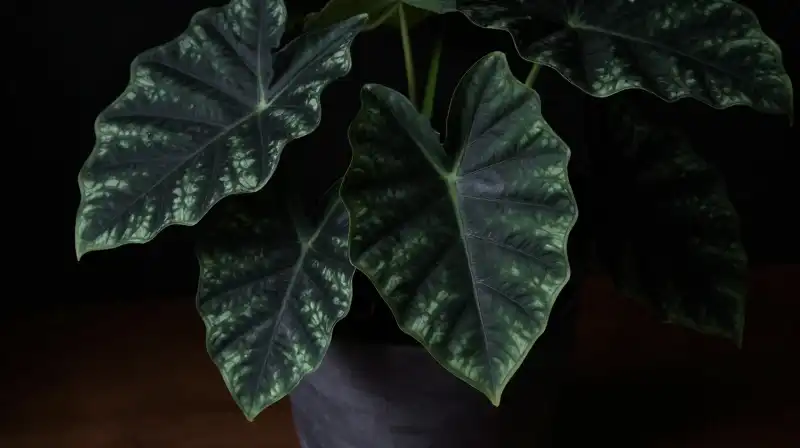
Successful ownership of the Alocasia Black Velvet is a testament to horticultural precision. Its beauty is derived from the intense contrast between its velvety black leaves and its bright gold splashes. To achieve this, you must prioritize the environment over simple maintenance schedules.
The core decision for this plant boils down to managing its microclimate: ensure the light is bright but filtered, the soil is consistently moist but never soggy, and the air is warm and highly humid. By treating the Alocasia Black Velvet as a plant with specific, high-contrast requirements, rather than a general houseplant, you will maximize its striking, dramatic growth and long-term health.
Explore more: Traditional Día de los Muertos: Symbols, History, and Custom
How to Care for the Alocasia Black Velvet
Position the Plant
Place the Alocasia in bright, indirect light near an east- or north-facing window, or a spot with light filtered through a sheer curtain.
Prepare the Substrate
Use a specialized, airy aroid potting mix containing perlite, orchid bark, and charcoal, ensuring the pot has excellent drainage holes to prevent water retention.
Water Appropriately
Water thoroughly only when the top few inches of the soil feel slightly dry, allowing all excess water to drain completely to avoid overwatering and root rot.
Control Environmental Conditions
Maintain a temperature between 65°F and 80°F, and increase humidity using a humidifier or pebble tray to maintain the plush texture and deep color.
Monitor and Adjust Care
Inspect the plant regularly; if leaves are dull or fading, increase indirect light. If they yellow, ensure the soil is not soggy. If edges are crispy, boost humidity.
Related Articles