Moon Valley Pilea Care: A Complete Guide to Growth, Size, and Care

Introduction
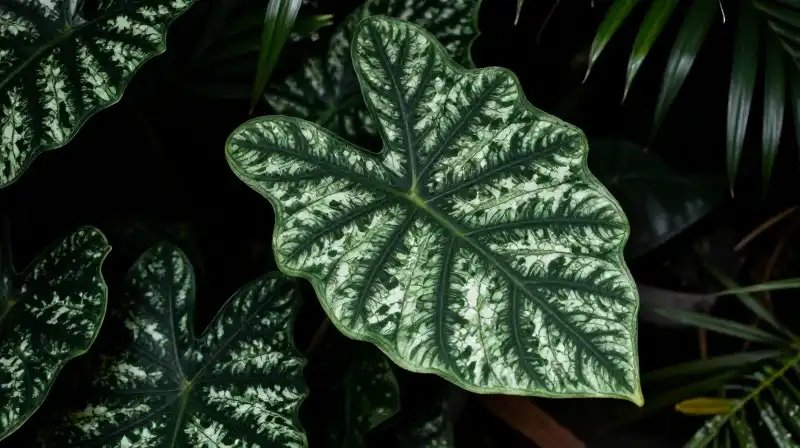
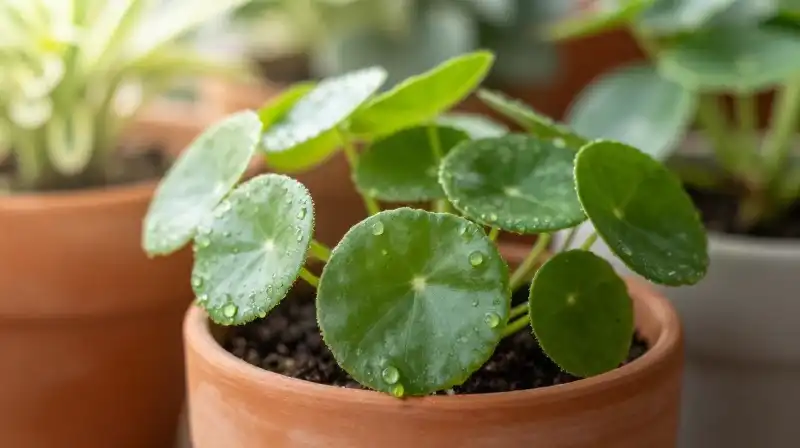
The Moon Valley Pilea, also known as Pilea involucrata ‘Moon Valley’ or the Friendship Plant, is a highly sought-after ornamental plant prized for its striking, richly textured foliage. Originating in Central and South America, this compact evergreen thrives in indoor environments that mimic tropical understory conditions. This guide provides a complete framework for successfully cultivating the Moon Valley Pilea, covering its size, optimal environmental needs, and common maintenance tasks to ensure its vibrant health.
Understanding Moon Valley Pilea Size and Growth
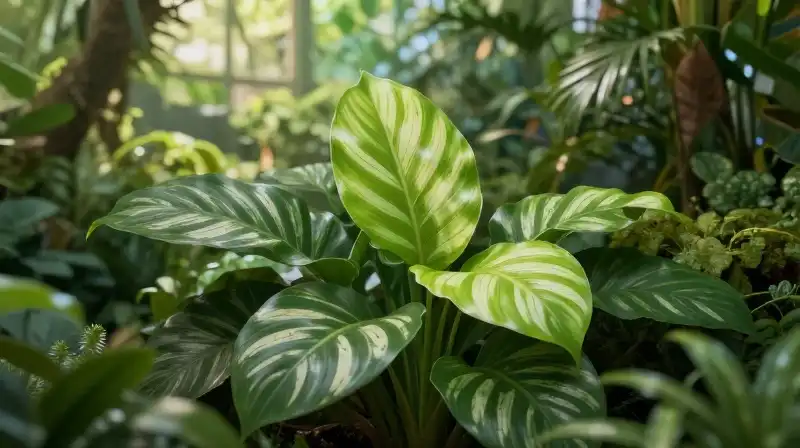
A key characteristic of the Moon Valley Pilea is its manageable size, making it an ideal choice for apartment dwellers and container gardening. This plant maintains a bushy growth habit, and while it can spread, it generally remains within a compact footprint.
To answer the common question about its dimensions, the Pilea Moon Valley typically reaches a height and spread of 6–12 inches. Its compact nature allows it to remain a centerpiece or a delicate accent without dominating a room, provided it receives adequate light and consistent care.
Environmental Requirements: Light, Temperature, and Humidity
As a tropical species, the Pilea Moon Valley has specific needs regarding its immediate surroundings. Meeting these conditions is crucial for preventing leaf stress and maintaining its signature bronze-purple hues.
Lighting Needs
The Moon Valley Pilea requires bright, indirect light for optimal growth. While it can tolerate medium light, it is highly susceptible to damage from intense, direct sunlight. Exposure to harsh afternoon sun can cause severe leaf scorching, dulling the vibrant color and damaging the foliage.
- Ideal Placement: Near a window where light is filtered or diffused, such as behind a sheer curtain.
- Tolerance Limit: It can survive in dimmer spots but may become leggy or lose its color if light levels are insufficient.
Temperature and Humidity
This plant performs best in warm, stable temperatures. Fluctuations, especially drops in temperature, can stress the plant and lead to leaf discoloration.
- Optimal Range: Maintain temperatures between 65–75°F (18–24°C).
- Humidity Preference: While it tolerates average household humidity, the Pilea thrives in high-humidity environments. Increasing humidity, perhaps through a pebble tray or a humidifier, significantly benefits the health of its foliage.
Watering and Soil Management

Effective watering is the most common factor in both success and failure with the Moon Valley Pilea. The goal is to keep the soil consistently moist without ever allowing it to become waterlogged.
Potting Mix and Drainage
The plant requires a well-draining, organic potting mix. The drainage capabilities of the pot are just as important as the soil itself. Always ensure the pot has drainage holes to prevent water from stagnating at the roots.
Watering Schedule
The general rule for watering the Pilea Moon Valley is to allow the top inch of soil to dry out before applying water. Overwatering is the most frequent cause of death for this plant.
- Allow the top inch of the soil to feel dry to the touch.
- When the soil is dry, water thoroughly until excess water flows freely from the drainage holes.
- Discard any standing water in the saucer to prevent root rot.
Ongoing Maintenance and Nutritional Needs
Beyond basic survival, consistent maintenance ensures the Moon Valley Pilea remains a lush, ornamental feature.
Fertilization
During the active growing season (spring through early fall), the plant benefits from periodic feeding. Apply a diluted liquid fertilizer every 4–6 weeks. Since the plant is small and thrives in rich soil, it is important not to over-fertilize, which can lead to chemical burn.
Pest and Health Monitoring
Keep an eye out for common issues that are exacerbated by low humidity. Spider mites are a frequent problem in dry indoor air. Regular inspection and ensuring high humidity are the best preventive measures.
Troubleshooting Common Pilea Problems
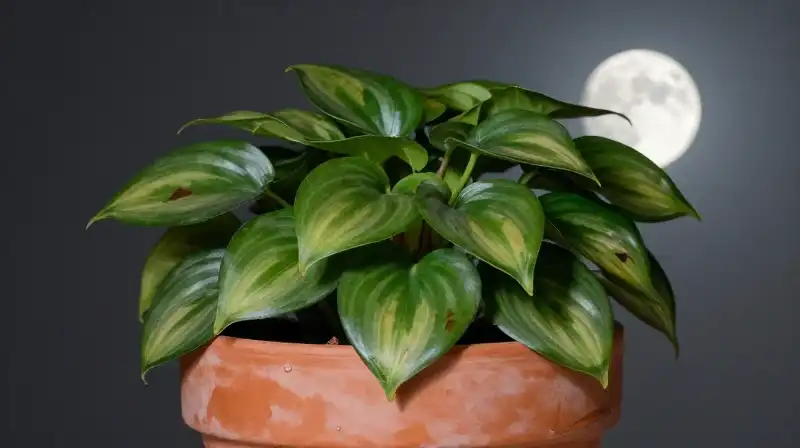
When a Moon Valley Pilea isn’t thriving, recognizing the specific symptoms helps identify the root cause. Most issues are tied to environmental stress.
| Symptom | Likely Cause | Solution |
|---|---|---|
| Leaves wilting or drooping | Under-watering | Water thoroughly and allow soil to drain completely. |
| Brown, mushy stems or leaves | Root rot (Overwatering) | Immediately stop watering, allow soil to dry out completely, and check for root health. |
| Grey browning on leaf tips | Cold exposure or insufficient light | Move the plant away from cold drafts and ensure it receives bright, indirect light. |
| Dull color/Loss of sheen | Insufficient light or nutrient deficiency | Adjust placement to receive brighter indirect light and apply diluted fertilizer. |
Safety and Propagation
The Moon Valley Pilea is non-toxic to humans and pets, making it a safe indoor addition. Propagation is straightforward for those wishing to expand their collection.
Easy Propagation
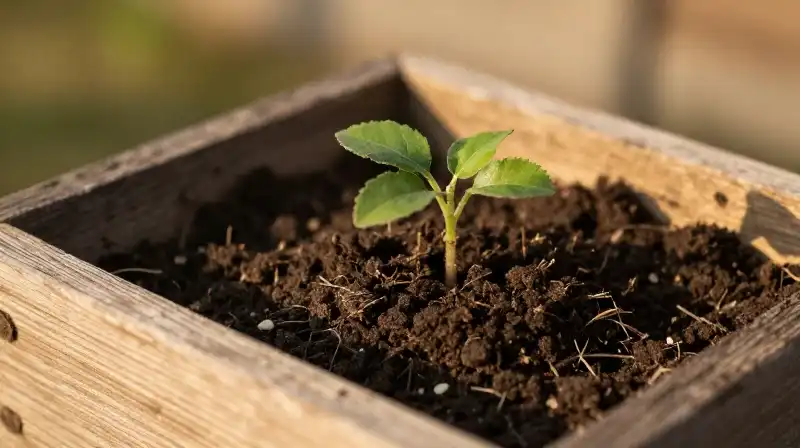
You can propagate the Moon Valley Pilea by taking stem cuttings. Both water and moist soil are suitable mediums for rooting:
- Water Method: Place cuttings in clean, room-temperature water until roots develop, then transfer them to soil.
- Direct Soil Method: Plant cuttings directly into moist, organic potting mix.
Practical Care Synthesis: Priority Checklist
Successfully growing a Moon Valley Pilea hinges on finding the careful balance between moisture and light. Use this checklist before settling the plant in its final spot or adjusting its routine:
- Light Check: Is the location providing bright, indirect light, shielding it from scorching direct rays?
- Moisture Check: Is the top inch of soil dry before watering, thus preventing root rot?
- Temperature Check: Is the temperature between 65–75°F and away from any sudden cold drafts?
- Humidity Check: Can steps be taken to boost the local humidity to support the plant’s tropical needs?
By managing these key variables, you ensure the Moon Valley Pilea retains its striking ornamental value and contributes safely and beautifully to your indoor environment.
Explore more: The Three Horns of Odin: Mythological Origins and Historical
Frequently Asked Questions
How big does a Moon Valley Pilea get?
The Pilea Moon Valley typically reaches a height and spread of 6–12 inches. Its compact nature makes it suitable for apartment dwellers and container gardening.
How to Water Moon Valley Pilea
Check Soil Moisture
Allow the top inch of the soil to feel dry to the touch.
Water Thoroughly
When the soil is dry, water thoroughly until excess water flows freely from the drainage holes.
Manage Drainage
Discard any standing water in the saucer to prevent root rot.
Related Articles