Zagreb Tickseed Care: Cultivating this Hardy, Sun-Loving Perennial


Introduction
The *Coreopsis verticillata* ‘Zagreb’ variety provides a vibrant pop of late-season color combined with a low-maintenance, manageable footprint. Unlike some sprawling perennials, this rhizomatous variety is engineered for a compact, bushy appearance, rarely exceeding 1.5 feet in height. If you are cultivating a robust perennial that thrives in intense heat, demands minimal supplemental watering, and offers a reliable display of brilliant yellow, daisy-like flowers, this is an excellent choice. Success with the Zagreb tickseed lies in understanding its specific preference for dry conditions and maximizing its natural rebloom cycle through targeted maintenance.
Cultivating Zagreb Tickseed: Ideal Environmental Conditions
 To ensure your *Coreopsis verticillata* ‘Zagreb’ flourishes, attention to light and drainage is paramount, even though the plant is extremely heat- and drought-tolerant once established.
Light Requirements: This perennial is a full-sun specialist. It requires at least six to eight hours of direct sunlight daily. Placing it in a shadier location will significantly reduce its vigor and color intensity. The intense light it receives is what triggers the prolific and long blooming period, lasting from late spring through late summer.
Soil and Drainage: The Zagreb variety is highly adaptable, performing well in poor or rocky soil. However, because it is prone to crown rot in overly wet conditions, excellent drainage is the most critical factor. While it tolerates dry conditions, it should not be planted in soggy or heavy clay soil.
Moisture Management: Once established, this is a highly drought-tolerant plant. Allow the soil to dry out between waterings. Watering heavily and frequently, especially in summer heat, can be counterproductive and lead to root stress or fungal issues.
Maintenance and Bloom Strategies for Extended Vibrancy
Consistent maintenance allows the Zagreb tickseed to maximize its visual appeal and maintain a bushy form.
Deadheading: To encourage continuous flowering and prevent the plant from putting energy into seed production, prompt deadheading is recommended. Removing spent blooms keeps the plant in a perpetual state of growth and color.
Shearing for Fall Rebloom: An advanced technique to maximize the bloom season is shearing. During mid-to-late summer, cutting the foliage back slightly can often encourage a beneficial fall rebloom, adding secondary bursts of interest to the garden. Always inspect the plants for signs of slug or snail damage before shearing.
Planting Considerations: Since ‘Zagreb’ spreads aggressively via both rhizomes and self-seeding, plan your garden space accordingly. In areas where aggressive spread is undesirable, consider placing it in large, contained pots or strategically grouping plants with slower-growing neighbors.
Addressing Common Care Questions
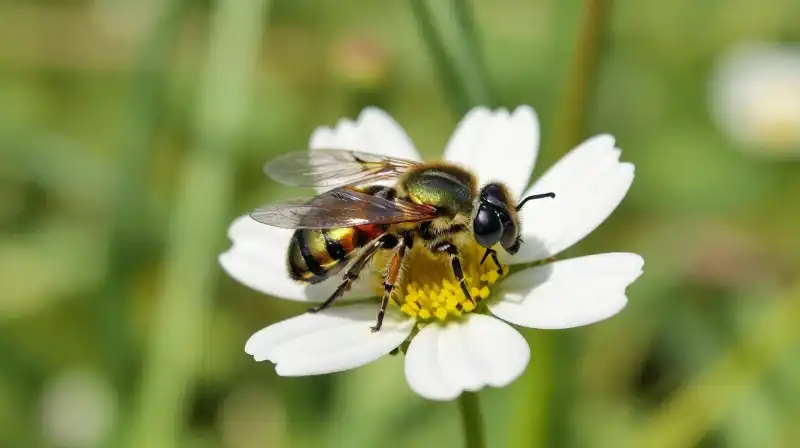
Several common concerns arise when planting this hardy perennial. Addressing these proactively prevents frustration and ensures long-term success.
- Coreopsis zagreb deer resistant? While generally hardy, specific deer aversion cannot be guaranteed. However, its compact and bushy nature often provides a degree of natural protection against browsing compared to taller, more delicate varieties.
- Coreopsis zagreb size? The key advantage of this cultivar is its controlled size. While the species can grow larger, ‘Zagreb’ typically maintains a compact 1.5-foot height, making it ideal for mid-sized garden beds or smaller containers.
- Zagreb tickseed winter care? Because the plant is a perennial that naturally forms rhizomes, it is generally cold-hardic and requires little to no specific winter care, provided the winter does not involve extreme, prolonged frost that freezes the entire root system.
- Coreopsis verticillata common name? While ‘tickseed’ is a common descriptor due to the similarity of the seeds to ticks, ‘Zagreb’ is often specifically marketed by its cultivar name due to its distinct compact morphology.
Troubleshooting and Garden Challenges
Even the most robust plants encounter challenges. Here are practical solutions for the specific issues that typically affect Zagreb tickseed.
Slugs and Snails: These pests often target broad-leafed foliage. If a heavy infestation occurs, physical barriers (such as a layer of coarse sand around the base) or organic baits can be used. Monitor plants closely during the evening, as many slugs are nocturnal.
Crown Rot and Poor Drainage: If you notice the base of the plant looking soft, blackened, or mushy, crown rot may have occurred. This is almost always a sign of insufficient drainage or overwatering. If rot is present, the plant should be carefully dug up, the damaged material removed, and the root ball allowed to dry thoroughly in a sunny spot before replanting in a better, drier location.
Aggressive Spreading: If uncontrolled growth in a garden is a concern, apply a temporary mulch barrier or consider utilizing a thick layer of gravel around the base. Remember, the rhizomes will slowly seek out new areas if given the chance.
Practical Synthesis: Evaluating Zagreb Tickseed for Your Garden
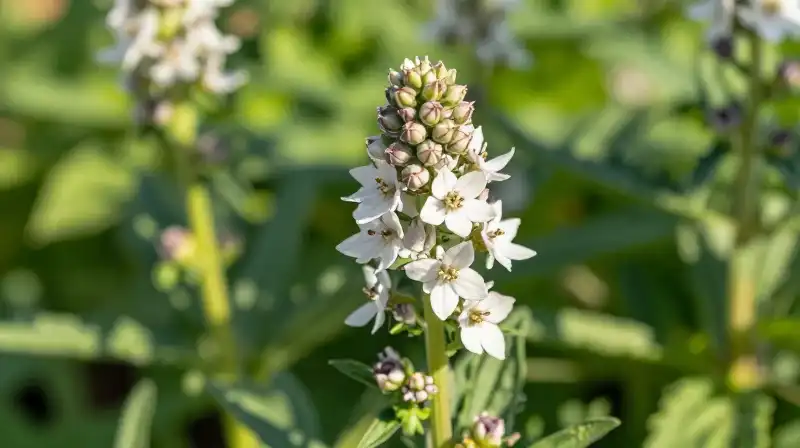
When deciding if *Coreopsis verticillata* ‘Zagreb’ is the right fit for your landscape, consider its balance of resilience and aesthetics. It offers a powerful, low-effort choice for sun-intensive, arid-leaning gardens where less tolerant plants might fail. Its primary strengths—heat tolerance, drought tolerance, and manageable size—make it highly functional in demanding environments.
However, a successful long-term integration requires respecting its need for sharp drainage and utilizing maintenance techniques like deadheading to achieve its peak performance. Viewing it as a low-maintenance powerhouse, provided you manage its water input and spatial growth, guarantees continuous, vibrant color from spring through the latter parts of the summer season.
How to Maintain and Maximize the Vibrancy of Coreopsis verticillata 'Zagreb'
Deadheading
Promptly remove spent blooms to encourage continuous flowering and prevent the plant from allocating energy towards seed production.
Pest Inspection
Inspect the plants for signs of slug or snail damage before proceeding with advanced maintenance like shearing.
Mid-to-Late Summer Shearing (Advanced)
During mid-to-late summer, cut the foliage back slightly to potentially encourage a beneficial fall rebloom.
Preventing and Treating Crown Rot
Maintain excellent drainage and allow the soil to dry out between waterings. If crown rot occurs (soft, mushy base), carefully dig up the plant, remove the damaged material, and replant in a better, drier location.
Related Articles