Growing Liatris Bulbs: Tips for Stunning Blazing Star Blooms

Introduction
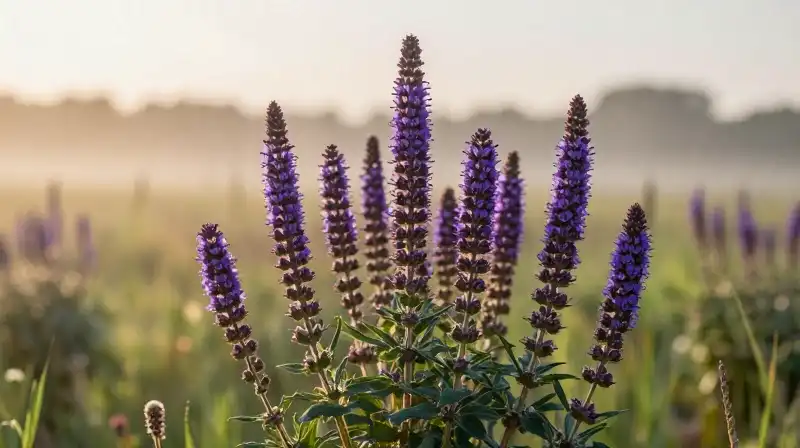
Liatris, commonly known as Blazing Stars, are prized ornamental perennials for their dramatic, striking flower spikes. These stately plants offer exceptional vertical texture and are a crucial attractor for pollinators. To achieve the magnificent blooms characteristic of this genus, successful cultivation starts with understanding that Liatris is a bulbous plant. Growing Liatris bulbs requires attention to specific seasonal timing, optimal soil conditions, and careful management during its dormant period. This guide provides the practical knowledge needed to successfully cultivate Blazing Stars, ensuring stunning performance from the first sprout to the final bloom.
Understanding Liatris Core Requirements
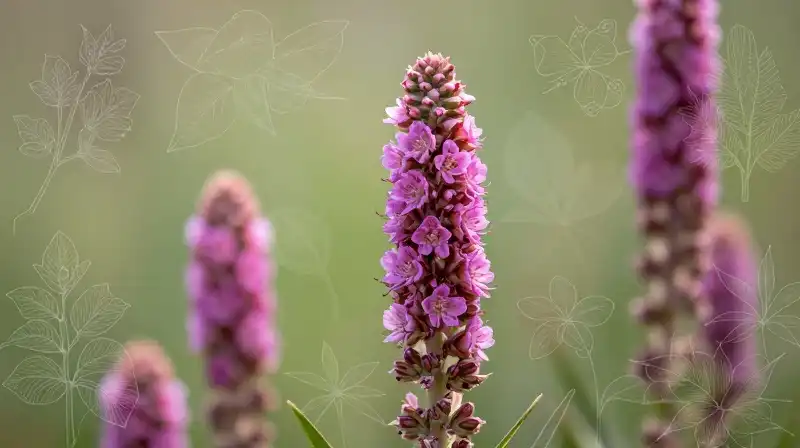
Before planting, it is essential to recognize what makes Liatris a robust performer. As sun-loving perennials, they thrive when their natural needs are met. Their striking appearance is a result of these specific ecological demands.
- Light: Liatris demands full, intense sun (a minimum of six hours daily) to develop robust stems and produce the highest quantity of flowers. While they tolerate part shade, growth will be less vigorous.
- Structure: These plants are known for their height, adding powerful vertical elements to any garden. The flower structure itself is designed to bloom from the top down, creating a dramatic, continuous spectacle.
- Adaptability: Liatris is remarkably versatile, suitable for formal borders, natural meadows, or even structured container gardens, provided the drainage is excellent.
The Liatris Planting Protocol
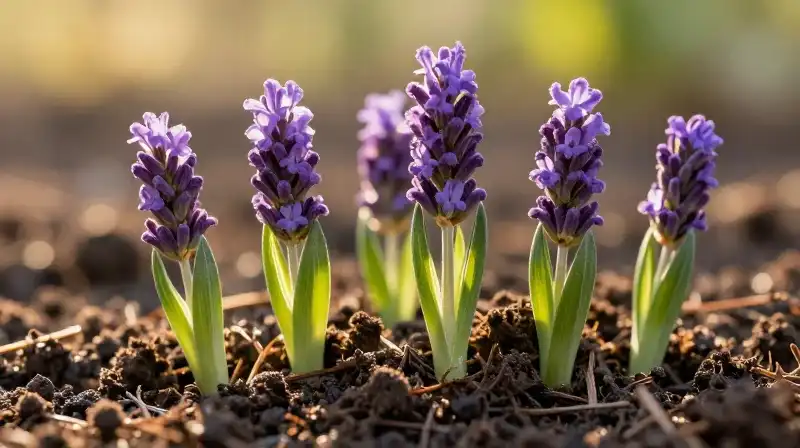
The timing and technique of planting Liatris bulbs are the most critical factors in determining their successful establishment. Unlike annuals, Liatris is planted in preparation for a summer display, but the planting often occurs outside of the traditional spring growing season.
Optimal Planting Time and Depth
For the best spring emergence, Liatris bulbs are typically planted during the late summer or early autumn, allowing them time to settle and begin developing energy before the winter dormancy. When to plant liatris bulbs depends on your local climate, but aiming for early fall usually yields the most reliable results.
Plant the bulbs in the ground or container according to this rule:
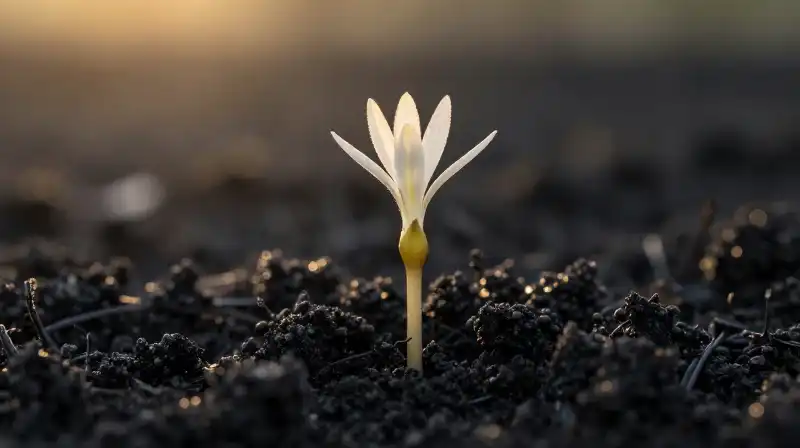
- Depth: Dig a hole approximately two to three times the height of the bulb. The bulb should be nestled in this depression.
- Orientation: Place the bulbs “up” the way they are—pointed upwards—as shown on the packaging. Liatris bulbs do not have a specific directional requirement other than being buried correctly in the center of the planting depth.
Optimizing Soil and Container Choices
Good drainage is arguably the single most important factor in Liatris bulb health. These bulbs are susceptible to rot if their roots sit in standing moisture.
Garden vs. Containers
The method of planting dictates the necessary soil structure:
- In the Garden: Amend heavy clay soil with organic matter (such as compost or aged pine bark) to improve aeration and drainage. Do not overcrowd the planting; allow adequate space for the stately stems to develop.
- In Pots: When selecting liatris bulbs in pots, use a high-quality, gritty potting mix that drains rapidly. Ensure the container has excellent drainage holes, as overwatering in confined spaces is a common failure point.
Long-Term Care and Maintenance
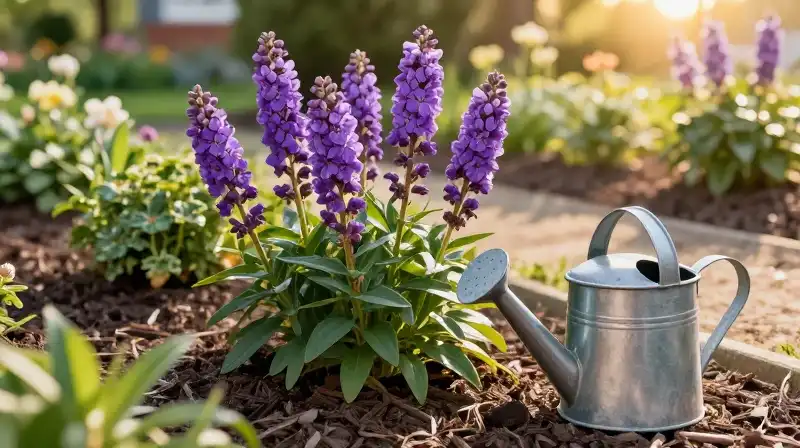
Once planted, Liatris is relatively low-maintenance, but specific care during the growing and dormant seasons ensures maximal bloom impact.
Watering and Feeding
During the establishment phase (the first season after planting), consistent, deep watering is crucial, especially during periods of drought. Once the plant is mature and established, it is generally drought-tolerant. To encourage robust growth and flowering, apply a balanced, low-nitrogen fertilizer in early spring before new growth begins.
Dormancy Management: In colder climates, Liatris requires a period of cold dormancy to trigger strong blooms the following year. Do not attempt to keep the plant actively growing throughout the winter if it is expected to experience a hard freeze.
Avoiding Common Liatris Bulb Pitfalls
Even experienced gardeners can run into issues with Liatris. Knowing the common mistakes helps prevent crop failure and ensures that your garden delivers the stunning visuals promised by Blazing Stars.
| Problem | Likely Cause | Solution |
|---|---|---|
| Weak or sparse flowering | Insufficient sunlight or poor soil drainage | Ensure full sun exposure and aggressively amend soil with gritty materials. |
| Bulb rot (spoilage) | Excess water trapped around the bulb | Prioritize excellent drainage in both garden beds and pots; do not overwater. |
| Plant looking dormant too early | Insufficient winter cold (chilling requirements) | In very mild climates, you may need to ensure adequate seasonal temperature drops. |
Sourcing and Selection
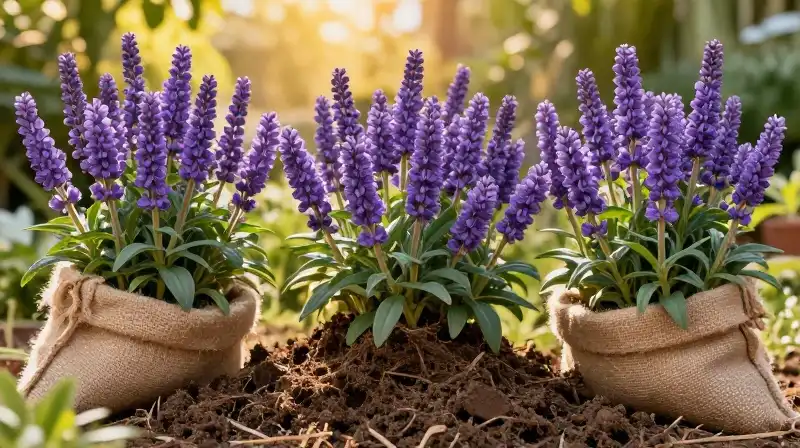
When purchasing liatris bulbs for sale, pay close attention to the health and regional suitability of the stock. Not all varieties perform equally in every climate.
When evaluating different brands or nurseries:
- Check Regional Suitability: Confirm the seller specifies which USDA hardiness zones the variety is guaranteed to thrive in.
- Examine Bulbs: Choose firm, plump bulbs with no signs of shrivel, mold, or soft spots.
- Consider Variety: Different varieties offer different bloom times (early, mid, or late season) and colors (purple, white, deep red). Select the one that fits your desired landscape timeline.
Final Growing Checklist for Blazing Stars
Successful Liatris cultivation hinges on preparing the environment for the plant’s unique needs. Focus on these critical steps to move beyond just planting a bulb to successfully growing a Blazing Star:
- Prioritize Drainage: This is non-negotiable; poor drainage equals bulb death.
- Commit to Sun: Provide the maximum possible intense sunlight for the strongest stems.
- Timing Matters: Plant bulbs during the appropriate dormant window (usually fall) to initiate the correct growth cycle.
- Monitor Moisture: Water deeply during establishment but allow the soil to dry somewhat between watering once the plant is mature.
Explore more: Dia de los Muertos Skull Designs: Symbols and Artistic Inspi
How to successfully grow Liatris (Blazing Stars)
Determine Optimal Planting Time
Plant Liatris bulbs during the late summer or early autumn to allow them time to settle and begin developing energy before winter dormancy.
Prepare the Growing Medium
Ensure excellent drainage. For garden beds, amend clay soil with organic matter like compost. For containers, use a high-quality, gritty potting mix.
Dig and Position the Bulb
Dig a hole approximately two to three times the height of the bulb. Nestle the bulb in this depression, ensuring it is pointed upwards and buried correctly in the center.
Establish Early Growth
During the initial establishment phase, provide consistent, deep watering, especially during periods of drought, to support root development.
Maintain Mature Plant Health
Apply a balanced, low-nitrogen fertilizer in early spring to encourage robust growth and blooming. Ensure the plant receives full, intense sun (a minimum of six hours daily).
Manage Dormancy
In colder climates, allow the plant to experience cold dormancy during winter to trigger strong blooms the following year, avoiding active growth throughout hard freezes.
Monitor Moisture Levels
Water deeply during establishment, but once the plant is mature and established, allow the soil to dry somewhat between waterings.
Related Articles