Growing Cuphea Vermillionaire: Essential Care and Tips for Blooms

Introduction
Growing Cuphea Vermillionaire successfully depends on mimicking its natural preference for heat and full light. This perennial thrives as a reliable source of color in warm environments, provided its needs for abundant sunlight, consistent moisture, and nutrient availability are met. For gardeners in marginal zones or those growing in containers, Cuphea Vermillionaire offers a resilient and vibrant addition that welcomes pollinators, but it demands specific care to prevent leggy growth or winter damage.
Optimal Sunlight and Placement
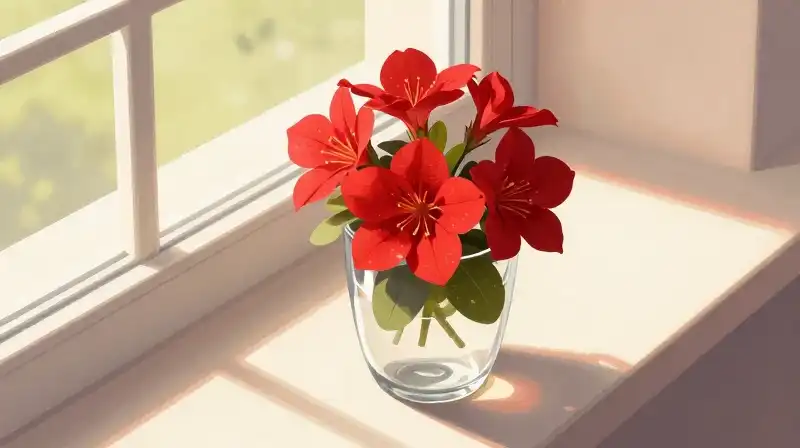 Cuphea Vermillionaire requires intense light to maintain its structural integrity and encourage robust flowering. It is classified as a full sun plant, needing at least six hours of direct sunlight daily to perform optimally. While it can sometimes tolerate limited dappled sun—especially in warmer climates—shade will cause the plant to stretch, appear weak, and ultimately hinder its ability to bloom.
For those gardening in full sun, choose a location that provides sustained exposure throughout the day. If planting in containers, ensure the spot receives the maximum possible light, as pots dry out faster and require more intensive monitoring to prevent heat stress.
Container and Soil Selection
The plant demonstrates high adaptability, making it well-suited for container gardening. For faster drying and better root health, using large-volume fabric grow bags (10 to 15 gallons) is strongly recommended. This approach helps manage soil moisture effectively.
Moisture Management in Pots
Consistent moisture is vital throughout the growing season, but the type of container and soil dictates how this is achieved.
- Controlled Watering: Due to its heat-loving nature, placing drainage dishes under containers is a practical way to manage evaporation and ensure roots remain hydrated without constant, heavy watering.
- Drainage: Ensure pots have excellent drainage to prevent root rot, even though the plant thrives in consistent moisture.
Feeding and Nutrition for Robust Blooms
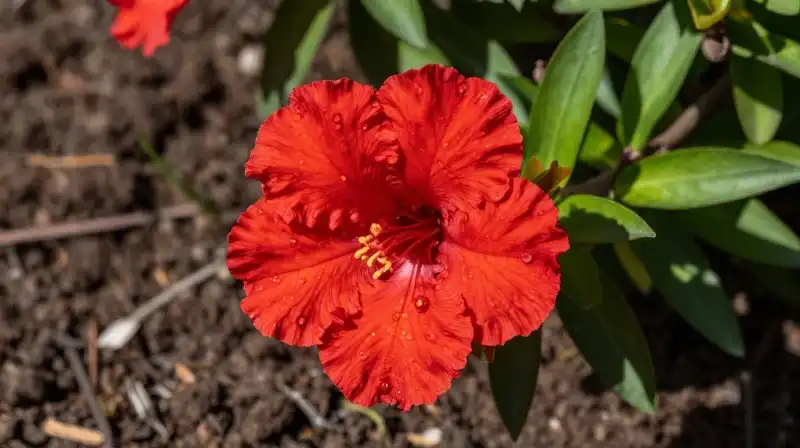 Maintaining vigorous growth requires a consistent supply of nutrients. Cuphea Vermillionaire responds positively to standard fertilizers and nutrient-rich soil amendments.
Regular fertilizing is a necessary practice to support the plant’s continuous and robust flowering cycle. During peak growing season, a balanced, water-soluble fertilizer applied according to package directions will ensure the plant remains healthy and maintains its vibrant coloration.
Managing Climate and Hardiness Zones
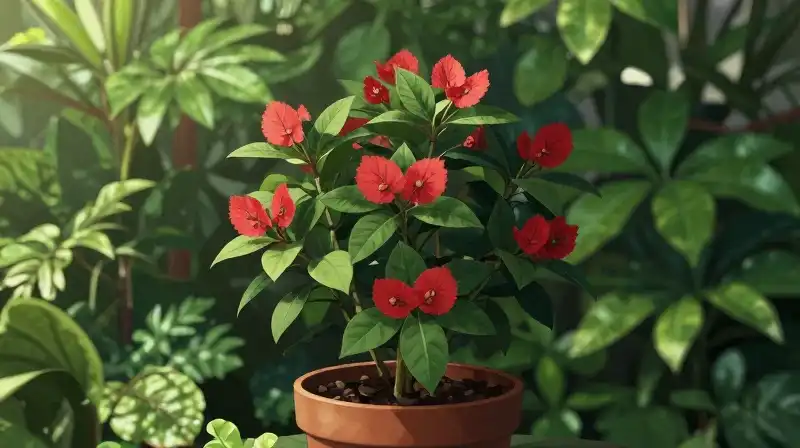 Despite its hardiness, Cuphea Vermillionaire is sensitive to extreme cold and must be protected during winter. It is classified for optimal growth in USDA hardiness zones 8 and higher, but this classification does not negate the need for seasonal adjustments.
Seasonal Adjustments for Cooler Climates
If growing in a marginally hardy area, taking proactive steps to protect the roots and root crown is crucial. A 6-inch deep layer of pine needles mulch can insulate the soil, helping to mitigate cold stress and protect the plant from frost.
Crucially, the plant should generally not be cut back or heavily pruned during the winter months, as this can damage dormant structures. Pruning should only occur in the spring, after new growth has begun, if the plant appears excessively leggy or has accumulated dead material from the previous season.
Pest Prevention and Maintenance Strategies
Maintaining a clean and safe growing environment involves proactive management of common garden issues.
Ant Control: Ants are a notable pest for Cuphea Vermillionaire. Preventative measures are often highly effective. Placing pots over containers or bait stations designed to deter crawling insects can significantly reduce ant presence near the plant’s base and prevent sap or honeydew from attracting them.
Pruning: Beyond general tidiness, avoid heavy cutting in the fall. Allow the established root system to prepare for dormancy, even if the plant is being protected from harsh weather.
Ecology: Pollinators and Companion Planting
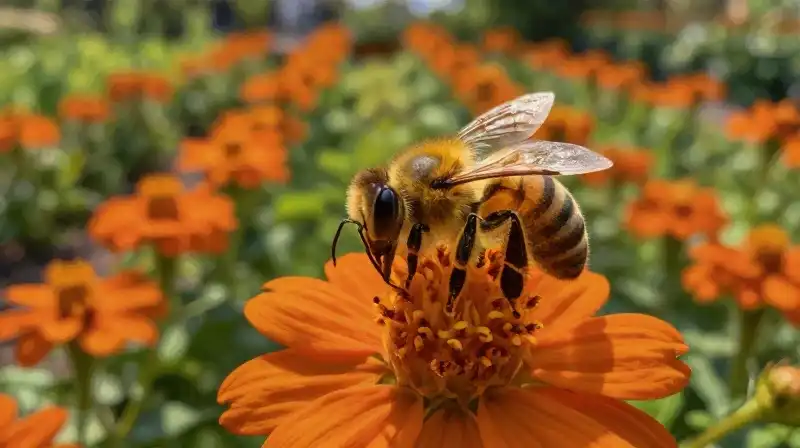 Cuphea Vermillionaire is not just a decorative addition; it is an important element of a healthy cultivated garden ecosystem.
- Pollinator Attraction: This heat-loving perennial is a known favorite among various pollinators. It actively attracts hummingbirds, bees, and butterflies, making it a valuable resource in a pollinator-friendly garden.
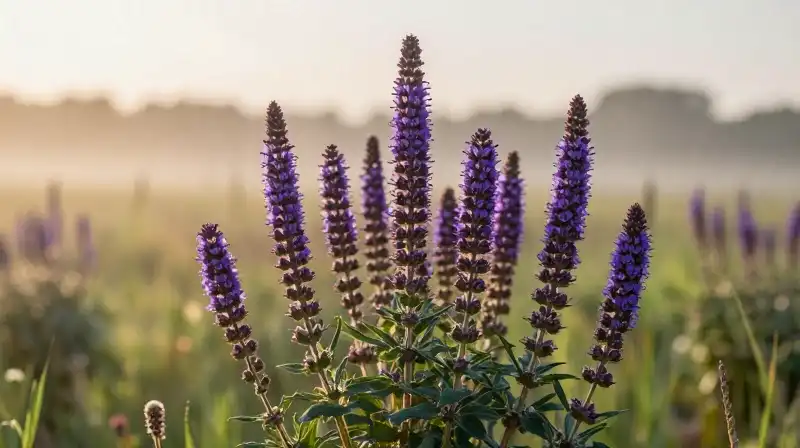
- Plant Companions: The plant displays high compatibility and structural balance when grouped with other species like Salvias. Pairing it with plants that also thrive in full, warm sunlight can create a cohesive and visually striking garden ensemble.
Summary of Care: Priority Checklist for Success
To ensure the longevity and maximal blooming potential of Cuphea Vermillionaire, prioritize the following steps:
| Priority Area | Action Required | Why It Matters |
|---|---|---|
| Sun Exposure | Provide 6+ hours of direct, intense sunlight. | Prevents stretching, ensures robust flowering. |
| Water/Soil | Maintain consistent moisture and use large containers. | Supports the heat-loving root system and prevents stress. |
| Nutrients | Fertilize regularly during the growing season. | Maintains continuous, healthy, and strong blooms. |
| Temperature | Limit overwintering attempts without protection (Zone 8+). | Prevents frost damage and root mortality. |
Explore more: Traditional Día de los Muertos: Symbols, History, and Custom
How to Care for Cuphea Vermillionaire
Ensure Optimal Sunlight
Provide the plant with at least six hours of direct, intense sunlight daily to maintain structural integrity and encourage robust flowering.
Select Proper Container and Soil
Use large-volume containers, such as 10 to 15-gallon fabric grow bags, ensuring the pots have excellent drainage to prevent root rot.
Manage Moisture
Maintain consistent moisture throughout the growing season. Utilize controlled watering techniques and drainage dishes to manage evaporation effectively without constant, heavy watering.
Fertilize Regularly
Apply a balanced, water-soluble fertilizer according to package directions during the peak growing season to support vigorous growth and continuous blooms.
Protect in Cooler Climates
If growing in marginal zones, protect the plant from frost by insulating the soil with a 6-inch layer of pine needles mulch during the winter.
Manage Pruning and Maintenance
Avoid heavy cutting in the fall to allow the root system to prepare for dormancy. Pruning should only occur in the spring after new growth has begun.
Pest Prevention
Implement preventative measures like placing pots over containers or using bait stations to significantly reduce the presence of ants near the plant’s base.
Related Articles