Gypsophila Paniculata: Care, Cultivation, and Growing Guide

Introduction
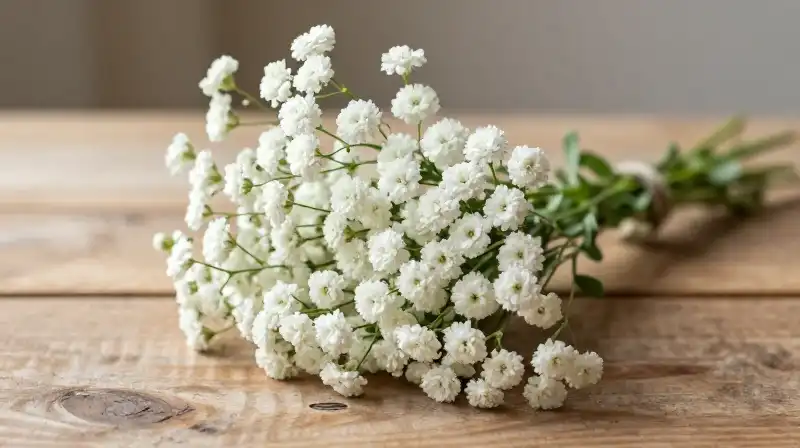
Gypsophila paniculata, widely known as baby’s breath, is a popular herbaceous perennial valued for its expansive, airy white blooms. Despite its delicate appearance in floral arrangements, this plant is fundamentally a hardy, adaptable species requiring specific growing conditions. Whether you intend to use it as a filler in a stunning wedding bouquet or cultivate it as a resilient filler in a Mediterranean-style rock garden, understanding its inherent needs for sun, drainage, and soil pH is essential for success. This guide outlines the precise care required to cultivate this plant, from choosing the right location to managing its prolific blooming cycle.
Botanical Profile and Common Misconceptions
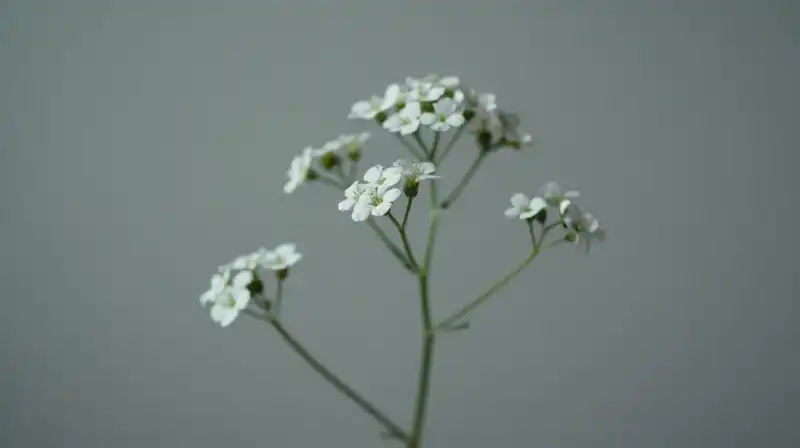
Scientifically classified as Gypsophila paniculata, baby’s breath belongs to the Caryophyllaceae family. Originating in Central and Eastern Europe, it is distinguished by its bushy, expansive habit, which is composed of numerous small white flowers clustered on branching panicles. A common point of confusion is its lifespan and nature in cultivation. It is classified as an herbaceous perennial, meaning it is expected to return year after year, provided it is given appropriate care and survives the local winter conditions. It is important to note that while it is hardy and adaptable, in some regions, its vigorous growth leads to it being classified as an invasive or noxious weed.
Optimizing Growing Conditions
The success of Gypsophila paniculata depends entirely on mimicking its native habitat: open, arid, and sun-drenched environments. It is not suited for perpetually moist or acidic soils; rather, it prefers a challenging environment that favors its drought resistance.
Light and Location
- Sunlight: Requires full sun exposure (at least 6 hours of direct sunlight per day).
- Growth habit: Due to its naturally spreading and luxuriant habit, it is highly effective as a landscape filler in borders, cottage gardens, or as an accent in rock gardens.
Soil and Drainage Requirements
The most critical factor in cultivating baby’s breath is the soil composition. The plant demands conditions that are alkaline to neutral and, most importantly, extremely well-drained.
- pH: Thrives in lime-rich or calcareous soils.
- Texture: The soil must be loose and porous, allowing water to pass through quickly. Avoid heavy clay, which leads to root suffocation and poor health.
- Drought Tolerance: While it is resistant to dry conditions, initial establishment requires consistent moisture. Once established, it is perfectly adapted to drought and salt resistance.
Cultivation and Planting
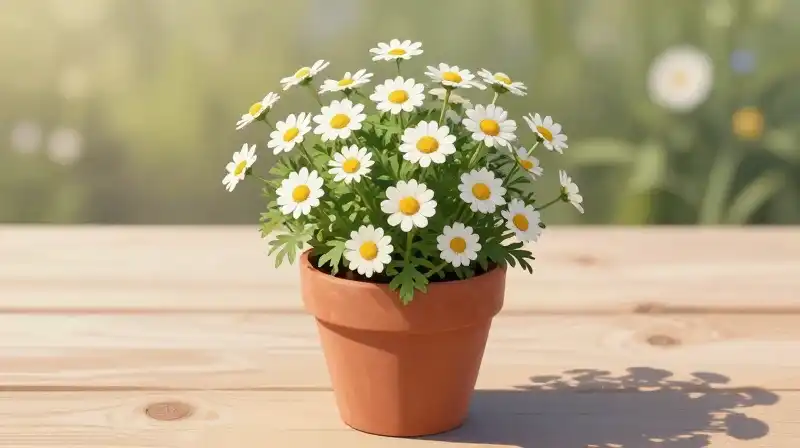
Baby’s breath is exceptionally versatile, adaptable to containers, ground beds, or large-scale plantings for floristry. When planting, focus on giving the root system adequate, undisturbed space, as its fleshy roots require stability to thrive.
Landscape Planting
For use in garden landscaping, Gypsophila paniculata pairs exceptionally well with other arid-loving plants such as lavender, sage, and bearded irises. Planting it in well-draining, dry soil ensures it maintains its preferred hardy status and develops its expansive, bushy structure effectively.
Commercial and Floristry Use
For commercial floristry, the plant is primarily valued for providing a delicate, voluminous backdrop. To maximize its decorative value, select high-quality cultivars and ensure your plants are free from root pathogens, particularly *Pantoea agglomerans pv*, which can impede growth and quality.
Maintenance and Pruning Techniques
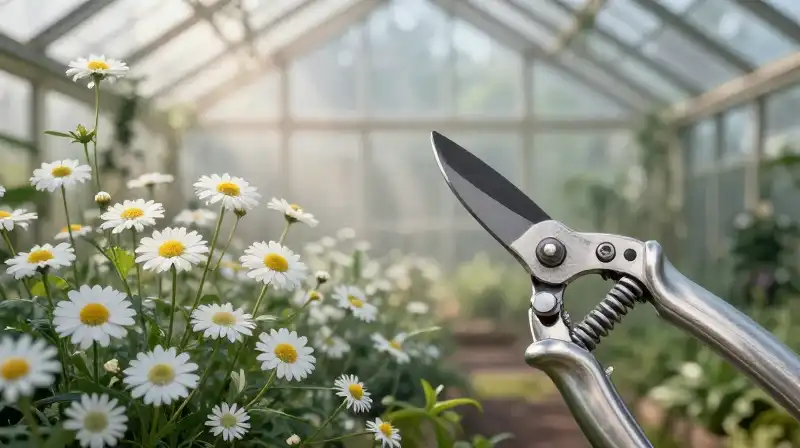
To achieve continuous, repeated blooming throughout the summer and into the fall, regular maintenance is necessary. The plant responds well to active management.
- Deadheading and Cutting: Immediately following the main flowering cycle, the plant must be pruned and cut back. This stimulates new growth and ensures the plant is ready for its next round of blooms.
- Pruning Double-Flowered Varieties: If cultivating double-flowered cultivars, caution is critical during pruning. You must avoid cutting below the graft union, as this can compromise the plant’s structural integrity.
- Environmental Control: Since it prefers dry conditions, avoid excessive watering after the initial establishment phase. Overwatering is the primary factor that leads to decline.
Addressing Common Concerns and Limitations
Even though Gypsophila paniculata is an adaptable plant, there are key aspects of its biology and usage that need careful consideration.
Toxicity and Safety
It is necessary to be aware that Gypsophila paniculata is classified as toxic to humans. Ingestions can cause issues, and direct contact may lead to contact dermatitis. While this does not change its utility in landscaping, gardeners should be mindful of handling the plant, especially around children and pets.
Invasive Potential
Because of its high level of hardiness and adaptability, it is widely considered an invasive species in several North American regions. If planting it in managed garden spaces, ensure you are within local regulations and understand that its ability to spread quickly is a natural characteristic of the species.
Practical Selection Criteria for Your Project
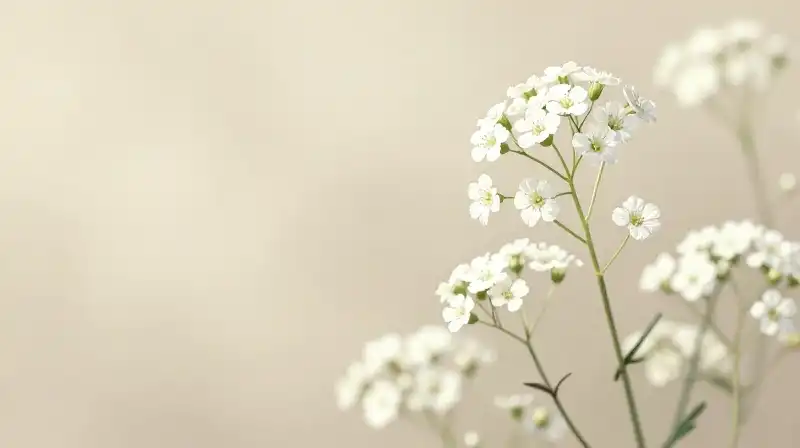
When deciding whether to use Gypsophila paniculata in a specific garden project, consider the balance between its maintenance needs and your desired outcome. The decision hinges on these factors:
| Factor | Ideal Scenario | Scenario to Avoid |
|---|---|---|
| Soil pH | Alkaline or Neutral, Lime-rich | Acidic or heavy clay soil |
| Water Needs | Drought-tolerant after establishment | Areas prone to standing water or high moisture |
| Usage Goal | Large ground cover or floral filler | Ornamental centerpiece requiring strict form |
By understanding that Gypsophila paniculata thrives on dry, alkaline conditions and requires specific pruning to maintain its visual appeal, you can successfully transition it from a wild “weed” into a highly effective, ornamental plant that serves both the landscape and floristry trade.
Frequently Asked Questions
Is gypsophila paniculata a perennial or annual?
Gypsophila paniculata is classified as a herbaceous perennial, meaning it is expected to return year after year. This is provided the plant receives appropriate care and survives local winter conditions.
Maintaining and Pruning Gypsophila paniculata
Deadheading and Cutting
Immediately following the main flowering cycle, the plant must be pruned and cut back. This stimulates new growth and ensures the plant is ready for its next round of blooms.
Pruning Double-Flowered Varieties
If cultivating double-flowered cultivars, caution is critical during pruning. You must avoid cutting below the graft union, as this can compromise the plant's structural integrity.
Environmental Control
Since the plant prefers dry conditions, avoid excessive watering after the initial establishment phase. Overwatering is the primary factor that leads to decline.
Related Articles