Growing Dymondia Margaretae: Care, Size, and Soil Guide

Introduction
Dymondia margaretae, commonly known as Silver Carpet, is one of the most valued choices in xeriscapic and coastal landscape design. This dense, evergreen groundcover offers a low-maintenance, silvery-green alternative to traditional turf. Originating in the coastal plains of South Africa, the plant is highly prized for its ability to form a continuous, sleek carpet, allowing it to serve as a natural lawn replacement that tolerates mild foot traffic. Choosing Dymondia requires understanding its unique balance: it is extremely drought-tolerant once established, but critically, it demands meticulous attention to drainage.
This guide provides the essential knowledge needed to successfully integrate Silver Carpet into your landscape, focusing on its specific size parameters, ideal growing conditions, and maintenance requirements to prevent the common pitfalls that lead to plant failure.
Dymondia Margaretae: Identifying the Silver Carpet
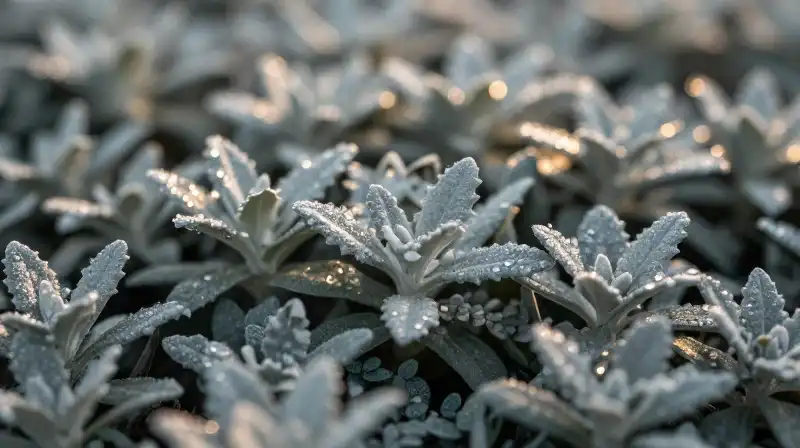
As a monotypic plant (the sole species in its genus), Dymondia margaretae exhibits a specialized growth habit. Its structure is characterized by narrow, dense foliage that maintains a very low, flat profile. The upper leaf surface is typically gray-green, but the underside features a prominent white, silvery, tomentose quality. As the leaf margins roll inward, this silvery underside becomes visible, giving the plant its namesake appearance.
Native to the Western Cape region of South Africa, the plant has proven its hardiness across various environments, from harsh coastal conditions to drought-stressed landscapes. While it is often seen flourishing in California gardens, its resilience is tied to its adaptations for arid or well-drained settings.
Size and Growth Habit
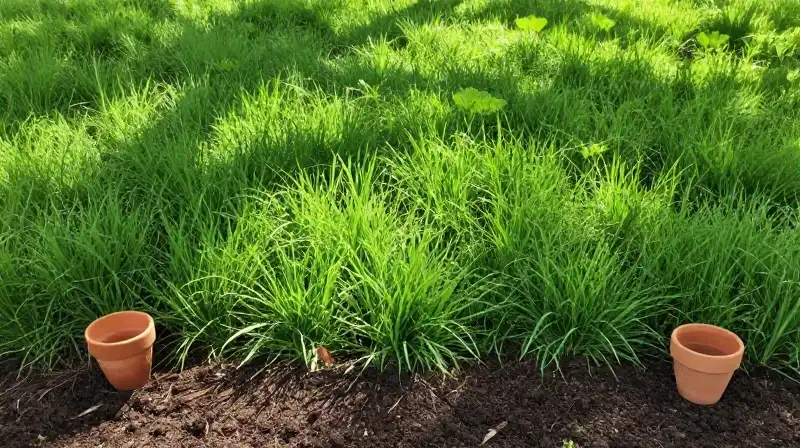
When addressing how big Dymondia Margaretae gets, it is important to focus less on height and more on its spreading coverage. This species is defined by its extremely low growth habit, functioning as a true groundcover rather than a vertical shrub. It forms a tight, dense matrix that spreads outwards rather than upwards.
- Height: Dymondia margins rarely exceeds a few inches in height. It stays extremely low to the ground.
- Spread: The plant is slow-spreading but highly effective at covering large areas, making it ideal for use between stepping stones or as a uniform blanket across a lawn area.
- Density: Its dense growth helps suppress weeds and provides a visually rich texture, even when not flowering.
Soil and Environment Requirements
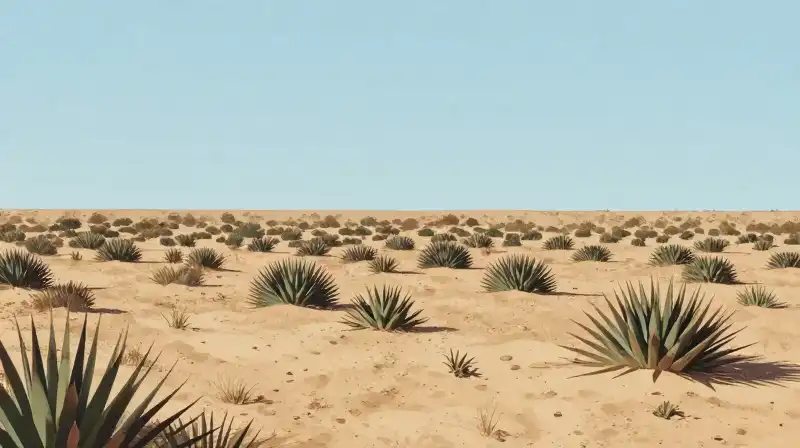
The success of Dymondia Margaretae is primarily determined by its growing medium. While the plant is highly drought-tolerant due to its deep, succulent roots, this trait does not exempt it from its requirement for perfect soil structure.
Soil Composition and Amendments
Dymondia requires excellent drainage. It performs poorly in heavy, compacted, or clay soils, which can lead to root rot and decline. Even though the plant is drought-tolerant once mature, proper planting demands loose, fast-draining soil.
- Recommendation: When planting, incorporate significant organic soil amendments (such as coarse sand or compost) into the native substrate. This improves aeration and ensures water moves through the root zone efficiently.
- Drainage Check: If you have heavy clay, do not plant Dymondia in the spot without first amending the area to break up compaction.
Light and Temperature Tolerance
The plant is highly adaptable regarding light, thriving in conditions ranging from full sun to light shade. In fact, it often performs better in high-light environments where its silvery coloration really stands out.
In terms of hardiness, Silver Carpet is quite resilient, capable of surviving temperatures down to approximately 25°F. Growth rates, however, are variable: growth is typically slow during hot summer months inland, but it tends to accelerate when temperatures are cooler or when situated in a coastal environment.
Planting and Initial Care
Proper establishment is critical for Dymondia Margaretae. While it is a low-maintenance plant, the initial planting process requires precision to ensure long-term health and prevent the issues of chronic overwatering or poor substrate.
- Preparation: Dig the planting hole slightly wider than the root ball. Ensure the native soil is mixed thoroughly with recommended amendments.
- Planting: Position the plant so that the foliage remains close to the ground, following its natural spreading habit.
- Initial Watering: Provide ample, deep initial watering to settle the soil and encourage root growth, especially if planting during a dry period.
- Ongoing Maintenance: Once established, the plant requires minimal intervention. Its deep roots allow it to withstand long periods without water, though regular irrigation can speed up its growth cycle.
Pests and Common Growing Errors
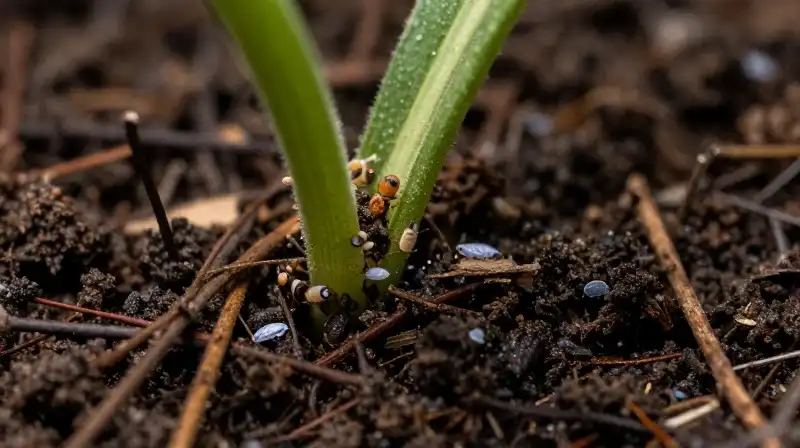
While robust, Dymondia is not immune to environmental stresses and specific local pests. Knowing the common failure points is the most practical way to ensure success.
Critical Growing Mistakes
The single most common cause of Dymondia failure is improper care. Specifically:
- Overwatering: Chronic overwatering is fatal. Ensure drainage is paramount to prevent root suffocation and rot.
- Poor Soil: Planting in unamended, heavy clay will restrict root growth and cause water to pool.
Pest Vulnerabilities
Unlike some other resilient groundcovers, Dymondia margaretae is sensitive to burrowing pests. Gophers are a significant concern and can destroy the roots and foliage if left unchecked. Keeping the soil well-maintained and avoiding heavy disturbances can help mitigate damage.
Optimal Use in Landscaping
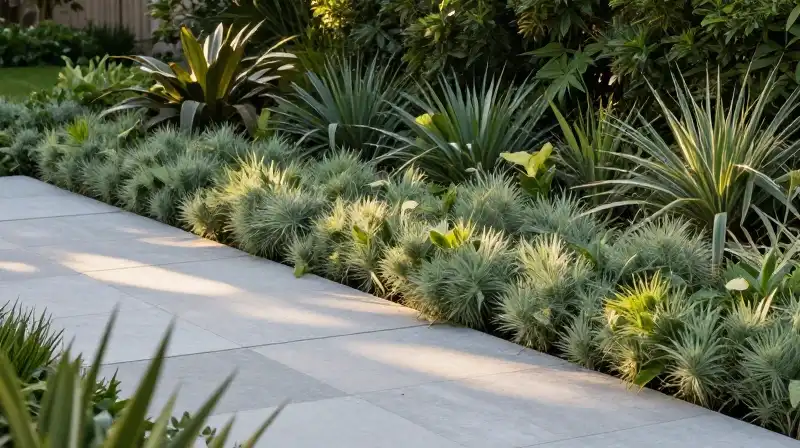
The characteristics of Dymondia margaretae make it uniquely suitable for specific landscape applications, offering practical alternatives to traditional landscaping elements.
| Application | Benefit of Dymondia Margaretae | Practical Tip |
|---|---|---|
| Natural Lawn Replacement | Forms a dense, low-maintenance, silvery carpet that tolerates foot traffic. | Allows for a natural, aesthetically pleasing look that requires minimal mowing. |
| Borders and Edging | Its tightly controlled, low growth habit makes it excellent for defined borders. | Use it as a striking contrast against darker, taller foliage. |
| Stepping Stone Integration | Its compact, sprawling nature allows it to thrive in the crevices of paved pathways. | Ensure the soil around the stones is deeply amended for optimal growth. |
Conclusion: Ensuring a Thriving Silver Carpet
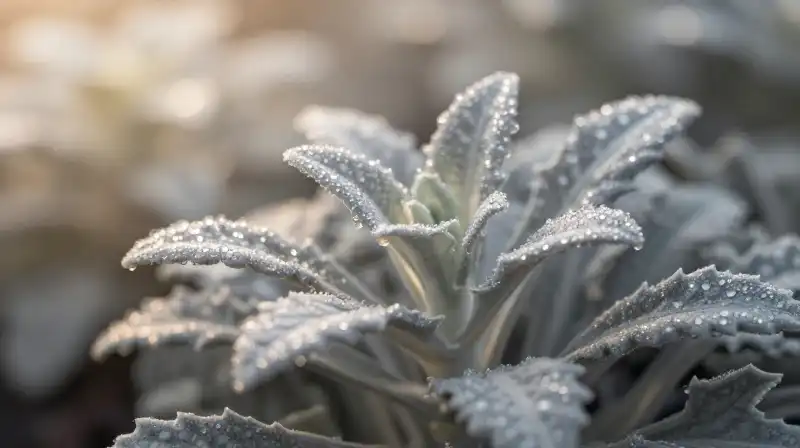
Successfully growing Dymondia Margaretae relies on a fundamental understanding of its dual nature: it is fiercely drought-tolerant but cannot tolerate standing water. To guarantee its longevity and dense coverage, prioritize excellent soil aeration and implement strict drainage protocols. By planting in a well-amended substrate, managing water conservatively after establishment, and being vigilant regarding burrowing pests like gophers, you can create a striking, low-maintenance landscape dominated by the beautiful Silver Carpet.
Frequently Asked Questions
How big do Dymondia Margaretae get?
Dymondia Margaretae has a very low growth habit, rarely exceeding a few inches in height. It forms a dense groundcover that spreads outward, making it highly effective at covering large areas as a natural lawn replacement.
How to Plant and Care for Dymondia Margaretae (Silver Carpet)
Preparation
Dig the planting hole slightly wider than the root ball. Ensure the native soil is mixed thoroughly with recommended amendments, such as coarse sand or compost.
Planting
Position the plant so that the foliage remains close to the ground, following its natural spreading habit.
Initial Watering
Provide ample, deep initial watering to settle the soil and encourage root growth, especially if planting during a dry period.
Ongoing Maintenance
Once established, the plant requires minimal intervention due to its deep roots, but regular irrigation can be used to speed up its growth cycle.
Related Articles