Malus Spring Snow: Size, Care, and Growing Conditions


Introduction
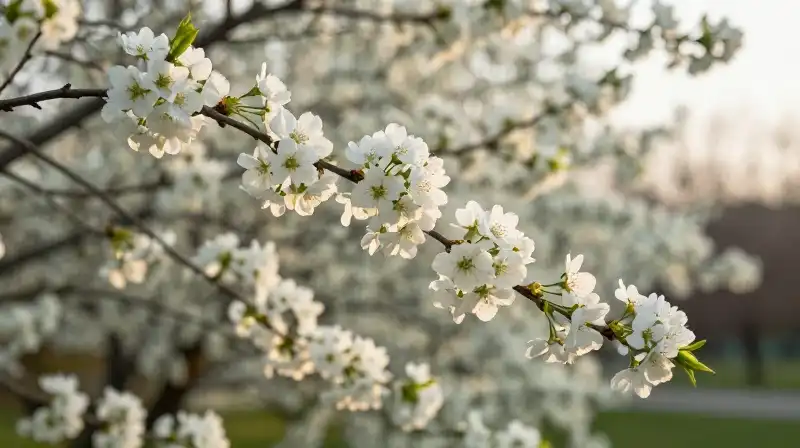
Malus ‘Spring Snow’ is a highly sought-after ornamental crabapple, prized primarily for its spectacular display of fragrant, single white flowers in the spring. If you are considering planting this variety, understanding its specific growth habits and necessary care is essential, as it is a mature specimen that requires focused horticultural attention. This tree is a dense, upright, deciduous shrub-tree that thrives in temperate zones. For most gardeners, the most crucial initial question is size, and the answer provides a strong framework for where it can be successfully placed in a landscape.
Mature Size and Growth Habits

One of the most frequently asked questions about Malus ‘Spring Snow’ is how large it will become. This variety establishes itself as a substantial tree, making it suitable for defined spaces such as large gardens or suitable street plantings. The ‘Spring Snow’ consistently matures to reach a height of 20 to 25 feet and a spread ranging from 15 to 20 feet. This dense, columnar habit means it creates a strong visual presence but generally does not require excessive, sprawling clearance.
Because it is a fruitless variety, the focus remains entirely on its visual appeal. The foliage is vibrant, ovate, and bright green during the growing season, providing a rich contrast to the brilliant white spring bloom. As autumn approaches, the leaves transition to a beautiful yellow hue before dropping, cementing its role as a reliable seasonal accent.
Cultivation and Growing Conditions
For optimal health and robust flowering, Malus ‘Spring Snow’ requires specific environmental conditions, though it maintains a degree of adaptability. The success of the plant relies heavily on selecting the correct location and managing its moisture and nutrient requirements.
Light and Climate Requirements
This crabapple demands full sun exposure to achieve its best flowering and foliage color. Placing it in a partially shaded spot will likely lead to diminished bloom production and weaker growth. It is best suited for temperate regions, thriving within USDA Hardiness Zones 4 through 8. These zones offer the necessary climate stability for the tree to flourish without severe winter damage.
Soil and Moisture Management
While the variety is noted for adapting to a wide array of soil types, its preference leans toward acidic loams. Well-drained soil is non-negotiable; poor drainage can lead to root rot. In terms of moisture, it requires medium moisture. This means consistent watering during establishment and peak growing seasons is beneficial, but the soil should never remain waterlogged.
Health Management and Pruning Practices
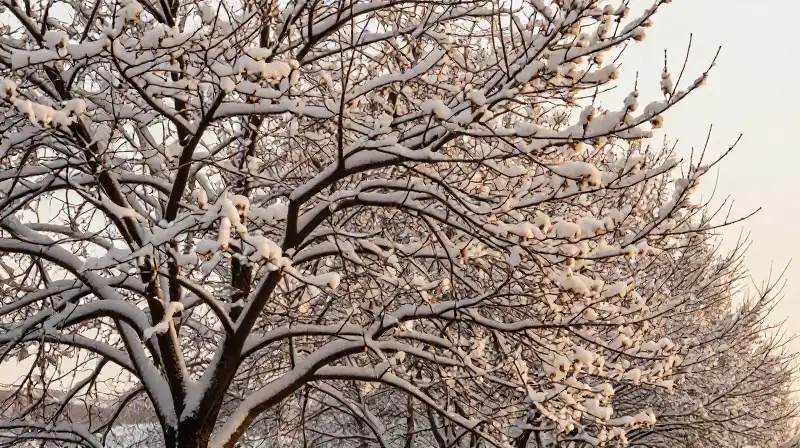
Like all older specimen trees, Malus ‘Spring Snow’ requires consistent maintenance to prevent common horticultural issues. The primary long-term concern for this cultivar is its susceptibility to apple scab.
To mitigate disease and maintain structural integrity, pruning must be executed strategically. The safest and most effective time for pruning is in late winter. Pruning during this window helps prevent the spread of diseases, particularly the risk of fireblight infection, which is often triggered by late season moisture or improper trimming. Careful, informed pruning allows the tree to retain its dense, upright shape while managing its size.
- Disease Watch: Monitor foliage and buds closely for signs of apple scab, a common fungal infection. Prompt treatment is critical to prevent full canopy infestation.
- Pruning Timing: Conduct major structural pruning in late winter to ensure the tree is protected against fireblight.
- Soil Adaptability: While acidic soil is preferred, the variety tolerates a range of soil types, provided drainage remains excellent.
Choosing the Right Placement for Malus Spring Snow

Given its mature size and striking visual characteristics, Malus ‘Spring Snow’ is exceptionally versatile in landscape design. The decision to plant it depends on the desired visual impact and the available space.
The upright and dense nature of the tree makes it an ideal choice for specific roles within a landscape:
- Street Trees: Its manageable, compact, and upright growth makes it a strong candidate for urban environments, offering a beautiful spring display without excessive lateral spread.
- Garden Accents: It works exceptionally well as a specimen plant in a border, providing a focal point. Its yellow fall foliage provides a dramatic change in a garden during cooler months.
- Ornamental Focus: For pure ornamental value, its spectacular, fragrant spring bloom makes it the perfect addition to a cultivated garden scheme.
Summary of Practical Criteria for Growing Malus Spring Snow
Before planting a Malus ‘Spring Snow’ specimen, consider this practical checklist to ensure the best chance for success and avoid common pitfalls. Understanding these criteria helps transition from simply buying the tree to actively managing its long-term health.
| Criteria | Requirement/Limit | Practical Implication |
|---|---|---|
| Mature Size (Height x Spread) | 20–25 feet x 15–20 feet | Requires adequate spacing in design; limits suitability for small yards. |
| Preferred Climate | USDA Zones 4–8 | Avoid planting in consistently colder or extreme hot climates. |
| Soil Type | Acidic Loam (but adaptable) | Must prioritize excellent drainage regardless of native soil type. |
| Pruning Schedule | Late Winter | Crucial timing to prevent fireblight and maximize bud health. |
| Primary Health Concern | Apple Scab | Requires vigilant monitoring and proactive disease management. |
Frequently Asked Questions
How big do spring snow flowering crabapple get?
Malus Spring Snow consistently matures to a height of 20 to 25 feet and has a spread ranging from 15 to 20 feet. This dense tree creates a strong visual presence without excessive, sprawling clearance.
How to maintain Malus 'Spring Snow'
Monitor Health for Disease
Monitor foliage and buds closely for signs of apple scab, a common fungal infection. Prompt treatment is critical to prevent full canopy infestation.
Timing Structural Pruning
Conduct major structural pruning in late winter. This timing helps prevent the spread of diseases, particularly the risk of fireblight infection.
Execute Strategic Pruning
Perform careful and informed pruning to allow the tree to retain its dense, upright shape while effectively managing its size.
Manage Soil Drainage
Ensure that the soil always has excellent drainage. While the variety is adaptable, poor drainage can lead to root rot.
Control Moisture Needs
Maintain medium moisture levels. Consistent watering is beneficial during establishment and peak growing seasons, but the soil should never remain waterlogged.
Related Articles