Peony Planting Guide: Steps for Long-Lasting Blooms

Introduction
Achieving spectacular, long-lasting blooms with peonies requires a commitment to specific timing and precise planting techniques. Unlike many common garden flowers, these enduring perennials, particularly the sought-after fern leaf peony, are resilient but demand careful initial handling to ensure their longevity. Successful cultivation is not about quick results; it is an investment in a root system that develops over several seasons. This guide details the steps required to establish a thriving peony, ensuring its roots take hold and its magnificent blooms follow.
Optimizing Location and Soil Conditions
The foundational step to growing a robust peony is selecting the right environment. Peonies are hardy, but they have specific needs regarding light, air movement, and soil structure.
Light and Airflow Requirements
Peonies thrive in areas that receive full sun, though they can tolerate a location with partial afternoon shade, particularly in hotter climates. Consistent sunlight is crucial for developing strong flower buds. Regardless of sun exposure, excellent air circulation is non-negotiable. Crowding plants restricts airflow, which can lead to fungal diseases and compromised plant health.
Selecting the Ideal Soil
The preferred soil type for peony success is somewhat heavier or clay-rich. While drainage is important, peonies actually benefit from this denser medium as it provides structure for deep root growth. However, a critical warning must be observed: always maintain a buffer zone around any mature trees. Fern leaf peony roots are extremely susceptible to damage from competing with extensive tree root systems, which can lead to stunted growth and poor flowering.
The Mechanics of Planting: Timing and Depth
Peony planting is a seasonal process that must be executed during the dormant period. Incorrect timing or improper depth is the most common reason for planting failure.
The Critical Planting Window
The ideal time to plant peony roots is the early fall. This allows the plant sufficient time to establish a vigorous root network before the ground freezes, ensuring it is ready for the hard work of spring growth. Planting in the spring, while tempting, offers insufficient time for deep root development before the first heavy frost.
Mastering the Root Depth Rule
This is arguably the most vital rule in peony care: do not plant the roots too deep. For successful establishment, the eye (the point from which the buds emerge) should be positioned no more than one to two inches below the soil surface. Planting roots too deep—even just a few inches—often prevents the buds from properly “waking up” in the spring, leading to minimal or no blooms. Always approach the planting depth with precision.
Sustaining the Plant: Seasonal Care
Once the peonies are in the ground, consistent, targeted care throughout the year supports their lifecycle.
Water Management and Root Development
During the first fall, before the ground freezes, the plants require deep and consistent watering. This practice is intentional: it encourages the development of deep feeder roots which are necessary for the plant to withstand the winter and fully utilize moisture during the following dry summer. Once the ground begins to freeze, regular watering is no longer necessary.
Winter Protection and Spring Nutrition
After the ground has fully frozen, applying a layer of winter mulch—such as straw or cornstalk—helps protect the delicate new roots from extreme temperature fluctuations. In the spring, as the foliage first unfurls, a light feeding is beneficial. Use a balanced fertilizer (like 10-10-10) applied gently outside the main stem ring. It is important to note that peonies generally require very little fertilizer; excessive feeding can divert energy away from forming high-quality blooms.
Ongoing Maintenance and Troubleshooting
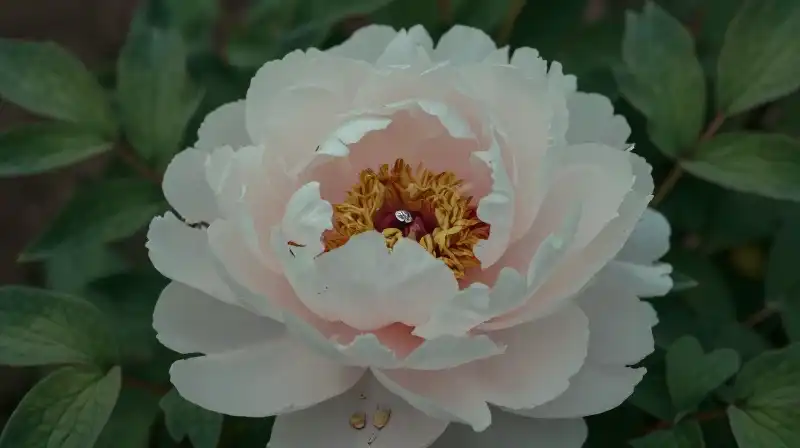
Successful peonies require yearly maintenance and an understanding of their natural limitations.
Fall Pruning and Sanitation
In the autumn, after the leaves begin to turn brown, the old stems should be cut back flush to the ground. Because fern leaf peony varieties are known for their attractive foliage, this pruning removes senescent material. Crucially, all fallen foliage must be discarded and removed from the garden, rather than composted, to prevent the potential spread of common fungal diseases.
Understanding Bloom Cycles and Support
The initial year of planting often yields very few blooms. This is normal; the plant is dedicating its energy entirely to building a robust root system. Patience is the primary requirement for the first few seasons. While some gardeners use staking, most peony stems are inherently strong enough to manage rain and wind without external support.
The Prudent Approach to Peony Cultivation
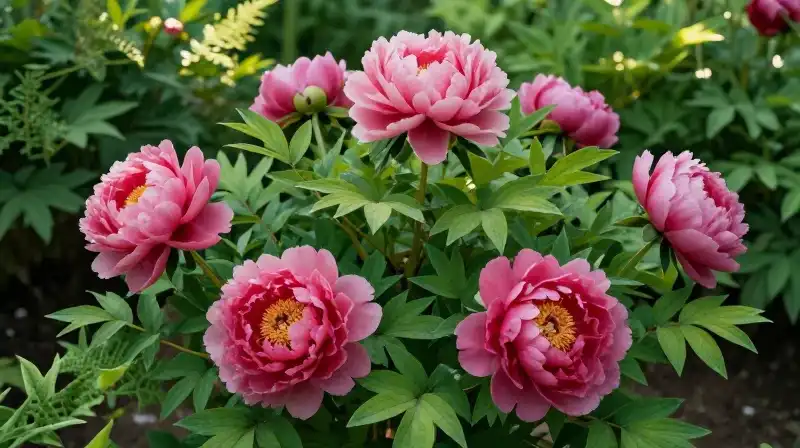
Growing fern leaf peony is an exercise in careful patience and adherence to specific horticultural requirements. The key to long-lasting, beautiful blooms is ensuring that the plant’s fundamental needs—the optimal planting depth, the cool early-fall setting, and a balanced, minimal approach to feeding—are met.
If you encounter persistent issues with poor bloom quality or weak growth, first audit your root depth and planting time. A slight deviation from the one-to-two-inch rule, or planting too late, is far more likely to be the cause than soil composition alone. Consistently applying deep fall watering and maintaining strict sanitation throughout the year will lead to a well-established, enduring peony that rewards you with magnificent blooms for years to come.
Explore more: Triquetra Meaning: Unpacking the Symbol of the Celtic Knot T
How to Cultivate a Thriving Peony
Optimize Location and Soil
Select an area with full sun or partial afternoon shade, ensuring excellent air circulation. Use a heavy or clay-rich soil, while maintaining a buffer zone around any mature trees to protect the roots.
Choose the Correct Planting Window
Plant the peony roots in the early fall, allowing the plant sufficient time to develop a vigorous root network before the ground freezes.
Master Root Depth
Position the bud eye no more than one to two inches below the soil surface to prevent buds from failing to 'wake up' in the spring.
Establish Early Root Growth
During the first fall, before the ground freezes, provide deep and consistent watering to encourage the development of deep feeder roots.
Apply Winter Protection and Spring Nutrition
Apply a layer of winter mulch (straw or cornstalk) after the ground freezes and, in the spring, apply a light feeding with a balanced fertilizer outside the main stem ring.
Perform Annual Fall Pruning
In autumn, once the leaves turn brown, cut the old stems back flush to the ground.
Maintain Sanitation
Discard and remove all fallen foliage from the garden to prevent the spread of common fungal diseases.
Related Articles