Diagnosing a Leaning Tree: Root Causes and Corrective Solutions


Introduction
A leaning tree often raises immediate concerns about structural integrity and future safety. Determining whether a lean is a manageable developmental issue or a serious hazard requires a nuanced understanding of both its cause and the tree’s current state. The corrective action—whether that be careful pruning, temporary staking, or professional removal—is entirely dependent on the tree’s age, the nature of the lean, and the stability of its root system. This guide provides the framework for assessing a leaning tree and deciding on the most appropriate path forward.
Identifying the Root Causes of a Leaning Tree

A lean is rarely the result of a single, isolated event. Instead, it is typically the culmination of one or several long-term factors affecting the tree’s growth. Pinpointing the origin allows you to determine if the problem is organic or environmental.
Common causes include:
- Uneven Root Growth: If the soil composition is poor, compacted on one side, or if heavy maintenance (like mowing or digging) has been applied unevenly, the root ball may grow preferentially in one direction.
- Block Sunlight: When a young tree grows in the shade of a larger, more dominant canopy, it may lean toward the light, a phenomenon known as phototropism.
- Grafting Issues: If the tree has been grafted and the scion (the upper part) has a dominant growth pattern, it can pull the root structure or trunk into an unintended direction.
- Prolonged Staking: In certain cases, aggressive or permanent staking on a young tree can restrict natural movement, leading to compromised structural integrity.
Assessing the Tree’s Condition for Corrective Action
Before implementing any corrective measures for a leaning tree, a critical initial assessment must be made, particularly regarding the tree’s age and the stability of its foundation.
Initial Assessment of Young Trees
For young trees, the focus is on stability. You must assess the root ball to determine if it is capable of holding the trunk upright. If the tree is young, you can often attempt gentle guidance toward a vertical position. However, this must be done with extreme caution; any force that could damage the roots or the young wood should be avoided. The goal is to support natural growth, not force it.
Evaluating the Nature of the Lean
The process of corrective action depends heavily on the duration and nature of the lean. Is it a slight, almost imperceptible drift, or is it a significant tilt? A subtle lean might simply require canopy adjustment, while a major lean may require foundational support or complete removal.
Strategic Solutions for Leaning Trees
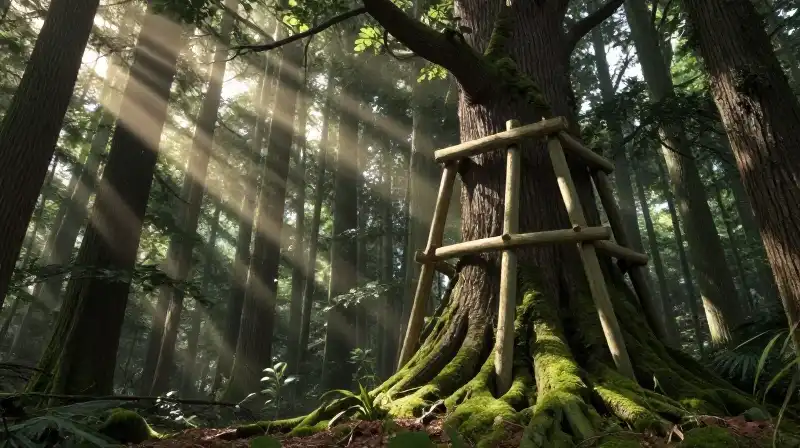
Based on the assessment, several practical approaches can mitigate a lean, with different methods being suitable for different life stages of the tree.
Using Staking and Movement
Staking is a valid option, but it must be approached strategically. For young trees, the primary goal is to allow for necessary movement. Structural strength in trees is developed when they respond to natural forces, such as wind.
- Temporary Support: Staking should generally be temporary, ideally limited to a single growing season.
- Proper Placement: Stakes must be placed several feet away from the trunk.
- Allow Movement: Use soft ties that permit the tree to sway gently in response to wind.
Pruning as a Corrective Measure
For older trees or those that grew unevenly due to factors like grafting or sun obstruction, pruning the canopy can be an effective, less intrusive alternative. Pruning reduces the weight and leverage acting on the leaning trunk, which can lessen the rate of lean or improve overall balance.
When deciding to prune, careful consideration is essential. The reduction in size must be managed to prevent creating a new, unbalanced situation within the already leaning trunk.
When to Use Guy Wires or Professional Support
In cases involving large trees, the structural requirements shift significantly. Guy wires offer a potential solution for supporting a large, established tree. This is a specialized task that requires expertise. Any attempt to support a large, leaning tree with guy wires must be performed by a trained and certified arborist.
Addressing Hazards and When to Call an Expert
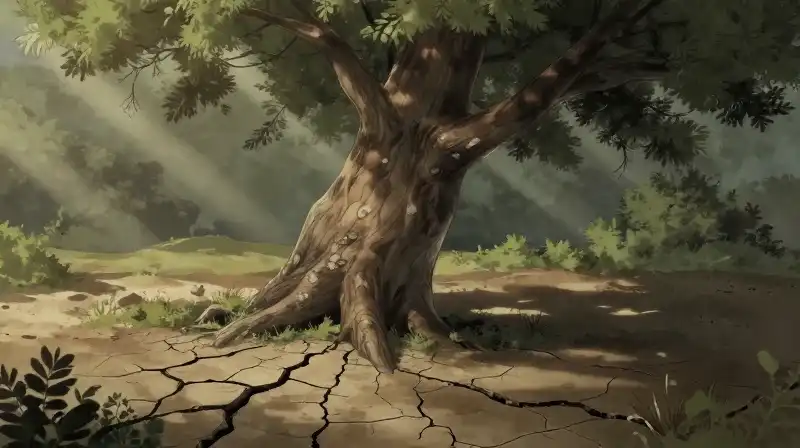
The most critical question when evaluating a leaning tree is whether it poses a hazard to property or people. Large trees that lean significantly or show signs of instability are serious hazards.
If your assessment indicates that the leaning tree is unstable, or if its lean suggests it is likely to cause damage, professional removal is the safest and most prudent course of action. A qualified arborist can perform a comprehensive risk assessment, determining if the tree can be salvaged or if a managed removal is necessary.
Conclusion: The Path to a Sound Tree
Corrective action for a leaning tree is not a one-size-fits-all process; it is a tailored decision based on context. The determining factors are the tree’s age, the cause of the lean, and the stability of its root ball. Before attempting any intervention—be it pruning, staking, or removal—always consider the tree’s lifecycle stage. For young, healthy trees, gentle guidance and temporary support may suffice. For mature or severely compromised trees, professional guidance is essential to ensure safety and longevity. Never perform complex structural supports or major pruning without first understanding the tree’s unique biomechanics.
Frequently Asked Questions
Who owns Leaning tree?
The provided article does not contain information regarding who owns Leaning Tree.
How to Assess and Manage a Leaning Tree
Identify Root Causes
Determine if the lean is organic or environmental by investigating common causes such as uneven root growth, block sunlight, grafting issues, or prolonged staking.
Initial Assessment
Before taking action, assess the tree's condition by examining its age, checking the stability of the root ball, and determining the nature of the lean (slight drift vs. significant tilt).
Select a Strategic Solution
Choose an intervention based on the tree's life stage and the nature of the lean, such as using temporary staking for young trees, pruning the canopy for older trees, or using guy wires for large established trees.
Evaluate Hazards
Determine if the leaning tree poses a serious hazard to property or people; large trees with significant instability are likely hazardous.
Implement Professional Guidance or Removal
If the assessment indicates instability or potential damage, hire a qualified arborist for a comprehensive risk assessment, which may lead to managed removal.
Related Articles