Hardiness and Care: The Chinese Elm as a Durable Urban Tree

Introduction
The Chinese Elm (*Ulmus parvifolia*), often referred to as the Lacebark Elm, has emerged as a remarkably reliable and durable choice for landscaping projects that demand high resilience. Originating in eastern Asia, this ornamental tree has proven its global adaptability, making it a prime candidate for challenging urban environments—from constrained planters to exposed parking lots. Its appeal lies not only in its graceful, vase-shaped structure and glossy, deep green foliage but also in its exceptional ability to withstand stress. When assessing the longevity and viability of an urban tree, hardiness is paramount, and the Chinese elm species excels, offering robust performance in conditions where other ornamental trees typically falter.
Hardiness and Climate Tolerance
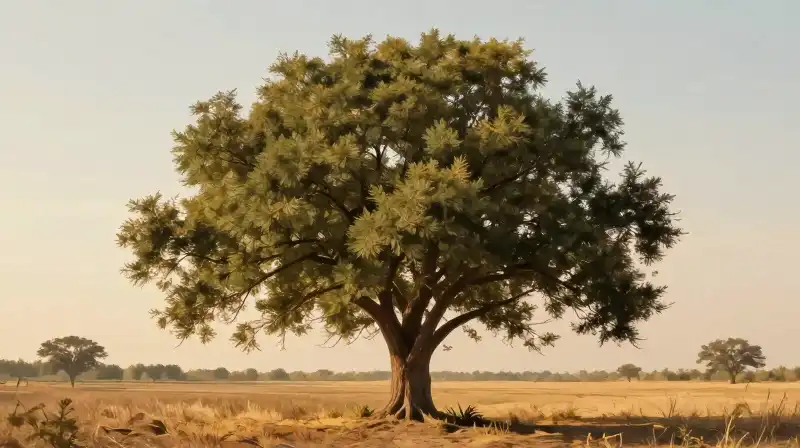
The primary strength of *Ulmus parvifolia* is its profound tolerance for adverse climate conditions. This is what makes it a “durable urban tree” option. It is highly successful across a broad spectrum of climates, thriving in USDA Hardiness Zones 4 through 9. The physiological tolerance of the Chinese elm is extraordinary, with tests indicating resistance to extreme cold, with survival capability down to temperatures as low as -34°C (-29°F).
Furthermore, the tree is exceptionally resilient to common urban stressors:
- Drought and Heat: It demonstrates superior tolerance for dry conditions and high heat, which is critical for surviving periods of municipal water restrictions.
- Poor Soils: The Chinese elm thrives even in nutrient-poor or compacted soils, a common issue in developed areas.
- Pollution: Its natural resistance allows it to maintain its healthy structure even when exposed to high levels of urban atmospheric pollution.
Urban Suitability and Structural Advantages
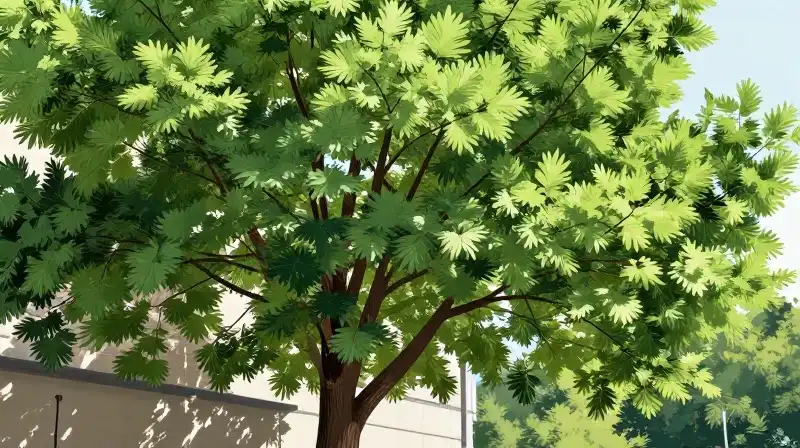
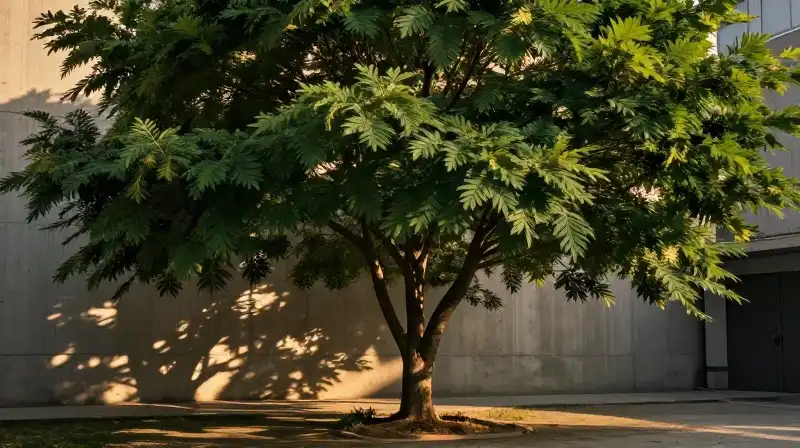
In the context of city planning and residential landscaping, the Chinese elm offers several distinct practical advantages that set it apart from more delicate ornamental species. Its structure is typically upright, supporting a wide, round canopy that provides effective shade without becoming an overwhelming, sprawling mass.
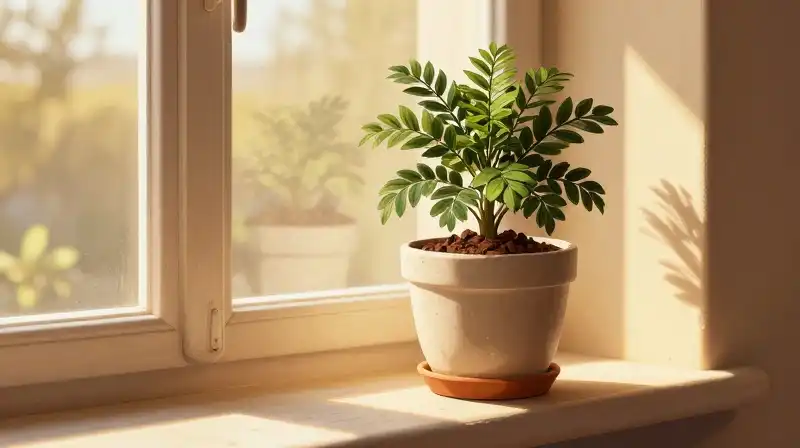
A key factor in its urban success is its adaptability to confinement. It is routinely used in urban planters and containers, showcasing a robust nature that allows it to thrive where larger, less flexible trees might struggle. Its ability to withstand regular pruning without significant stress also makes it an ideal candidate for controlled street planting or constrained backyard spaces. This combination of strong structure and environmental tolerance confirms its status as a reliable alternative to the susceptible American Elm.
Care and Maintenance Guidelines
While the Chinese elm is inherently low-maintenance, proper horticultural practices ensure peak health. Its exceptional hardiness means it forgives common care lapses, but optimizing conditions allows it to reach its potential maximum height of approximately 70 feet.
Planting and Soil Requirements
The species is versatile regarding growing media; it performs well in both moist and drier soils. It is highly adaptable, but for optimal long-term health, ensure the chosen site receives full sun. The distinctive flaking pattern of its bark—a mix of mottled greys, tans, and reds—will become more pronounced and aesthetically pleasing as the tree matures, benefiting from proper exposure and health.
Watering and Pruning
Due to its drought tolerance, the Chinese elm generally requires minimal supplemental watering once established, making it efficient for water-conscious landscapes. Pruning should be performed judiciously to maintain its desired structure and manage its size, but because of its flexibility, it responds well to regular shaping and shaping without the severe shock often seen in other deciduous trees.
Distinguishing the Species: *Ulmus parvifolia* vs. Alternatives
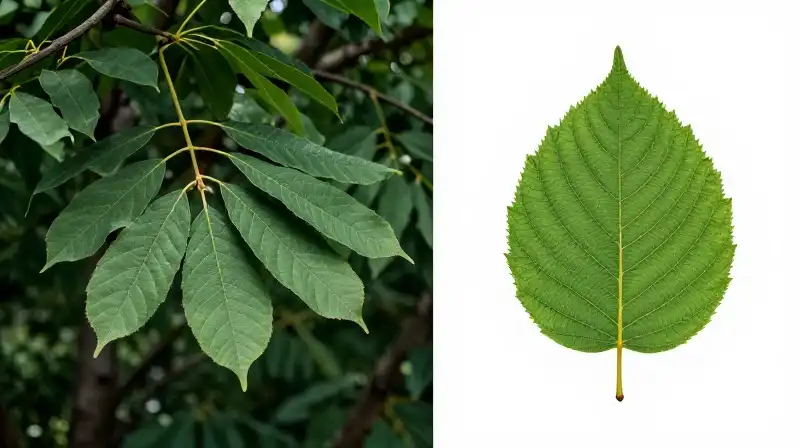
Confusion between different elm species is common, particularly between *Ulmus parvifolia* and *Ulmus pumila* (Siberian elm) or the historical American Elm. Understanding these distinctions is vital for selecting the correct tree for a specific site:
| Feature | Chinese Elm (U. parvifolia) | Siberian Elm (U. pumila) | American Elm (Historical) |
|---|---|---|---|
| Bark | Distinctive flaking pattern; mottled greys, reds, and tans. | Generally smooth or slightly ridged. | Deeply furrowed and ridged. |
| Hardiness & Use | High tolerance; excellent for ornamental/urban use. | Extreme hardiness; often used as windbreaks. | Historically valued for timber (highly susceptible to disease). |
| Decay/Disease | Generally resistant to Dutch elm disease; resistant to Japanese bark beetle. | Highly resistant to Dutch elm disease. | Highly vulnerable to Dutch elm disease. |
Furthermore, the timber derived from *U. parvifolia* is noted for its density and hardness, qualifying it as a high-quality material for flooring and veneer, though cutting requires caution due to the silica content.
Addressing Potential Risks and Limitations
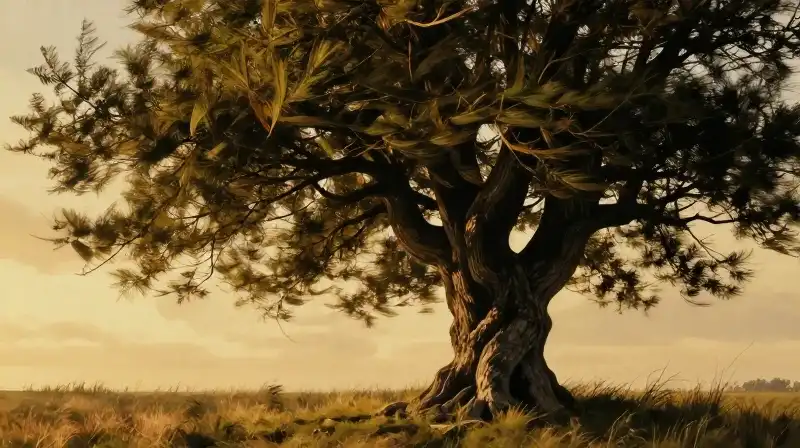
While the Chinese elm is praised for its resistance, no species is entirely immune. Like any large ornamental tree, it can be susceptible to specific pests and fungi, particularly in highly stressed or unhealthy specimens. Constant vigilance is necessary to prevent issues before they become chronic. Key areas of focus include:
- Pest Monitoring: Regular inspection for common garden pests can prevent outbreaks, though its natural defenses are strong.
- Fungal Health: Ensure proper air circulation around the canopy, especially in dense planting, to prevent the proliferation of fungi that could affect root health.
- Vulnerability: Despite its resilience, it is not immune to Dutch elm disease, making a well-established, healthy specimen the best defense.
Selection Criteria for Urban Planting
Choosing the right tree for an urban landscape requires weighing aesthetic appeal against logistical durability. The Chinese Elm satisfies both demands. For a decision on whether this species is the right fit, prioritize the following factors:
- Space and Confinement: Is the tree intended for a container, a narrow streetscape, or a large yard? Its flexibility in both settings is a key advantage.
- Climate Stability: Does the area fall within USDA Zones 4–9? If yes, the extreme cold tolerance is guaranteed.
- Maintenance Commitment: If the goal is a low-fuss, high-impact addition to a commercial or residential property, the Chinese elm’s low maintenance profile is ideal.
Ultimately, the Chinese Elm offers a powerful combination of aesthetic grace, robust structural integrity, and remarkable hardiness, establishing it as a premier, reliable choice for sustainable and enduring urban landscaping.
How to Care for the Chinese Elm
Assess Site and Soil
Ensure the chosen planting site receives full sun and select growing media, as the Chinese elm performs well in both moist and drier soils.
Manage Watering
Apply minimal supplemental watering once the tree is established, taking advantage of its inherent drought tolerance.
Prune Judiciously
Perform pruning to maintain the desired structure and manage size, allowing the tree to respond well to regular shaping.
Monitor Health
Maintain constant vigilance by regularly inspecting for common garden pests and ensuring proper air circulation around the canopy to prevent fungal issues.
Related Articles