Cinnamon Tree Care: Thriving Indoors or Outdoors

Introduction
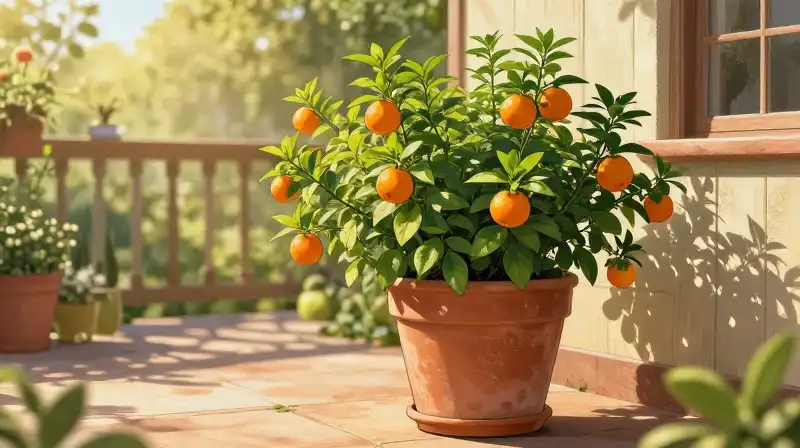
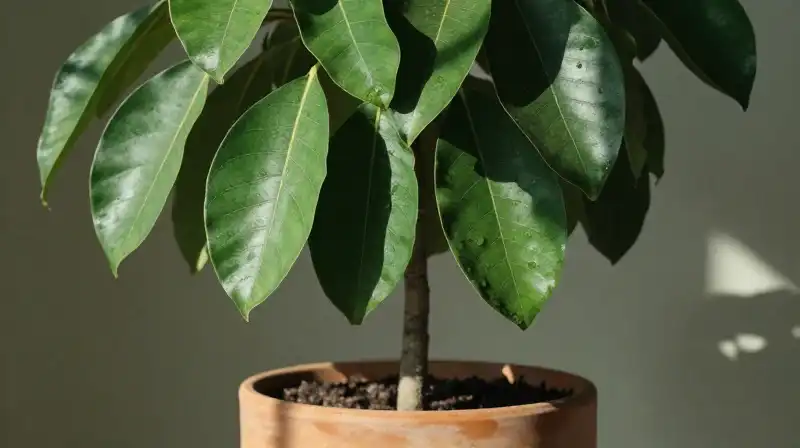
The cinnamon tree (Cinnamomum spp.) is a tropical perennial known for its beautiful bark and strong culinary flavor. Whether you seek to grow one as an attractive outdoor shrub or maintain it indoors as a tropical house plant, understanding its specific environmental needs is key to ensuring its long-term health. This plant demands consistency, particularly regarding light and moisture, as it thrives in warm, humid, and bright conditions. Proper cinnamon tree care hinges on successfully replicating its natural tropical habitat while strictly managing the high risks associated with waterlogged soil and insufficient sun.
Light Requirements: Sun vs. Shaded Indoors
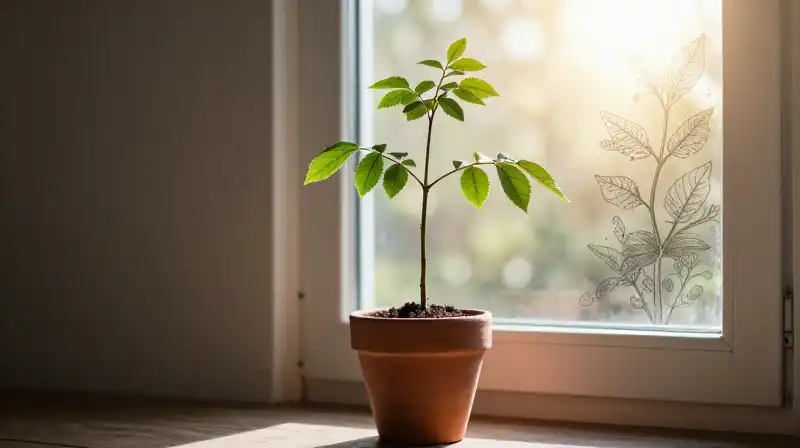
Cinnamon is a full-sun plant. To maximize growth and flavor, it requires intense light, typically defined as six to eight hours of direct sunlight per day. For outdoor cultivation in tropical or subtropical zones, placing the tree where it receives this full sun is mandatory. If you are looking for an indoor cinnamon tree, achieving the necessary intensity is challenging, but critical for success.
Indoor placements must consider “very bright” areas. A south-facing window is often ideal, as this provides the most intense light exposure. While the tree can tolerate some afternoon shade during periods of extreme summer heat, it is important to note that reducing light significantly will stunt its growth and affect its health. If the environment is too dim, the plant is likely to fail regardless of how well you water or fertilize it.
Indoor vs. Outdoor Cinnamon Tree Care
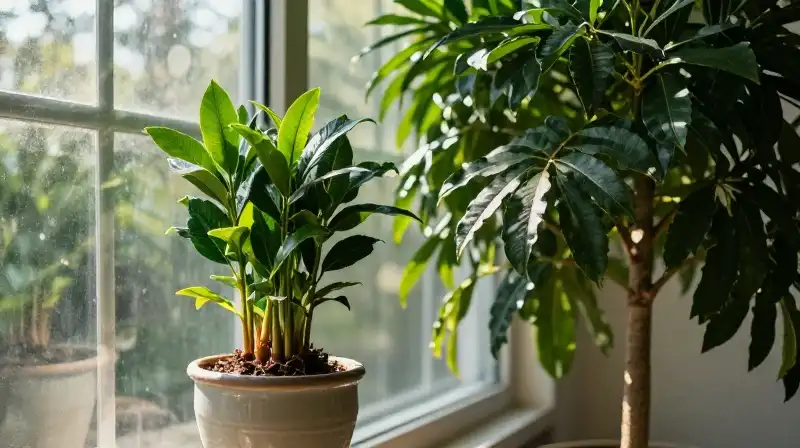
The care requirements shift slightly depending on whether you place your cinnamon tree outdoors in its native environment or indoors. While the species is non-toxic, its survival depends largely on successfully managing the transitions.
Outdoor Cultivation (USDA Zones 10-12)
For outdoor growth, cinnamon thrives when planted in large containers (minimum 18 inches) or in rich, sandy loam soil. This soil type offers excellent drainage, preventing the heavy clay conditions that can lead to root rot. During the growing season (spring, summer, and fall), provide deep, consistent watering. Mulching the soil surface is a highly effective practice, as it retains moisture and stabilizes the soil temperature, helping the tree withstand temporary heat spikes.
Indoor Growing (House Plant Care)
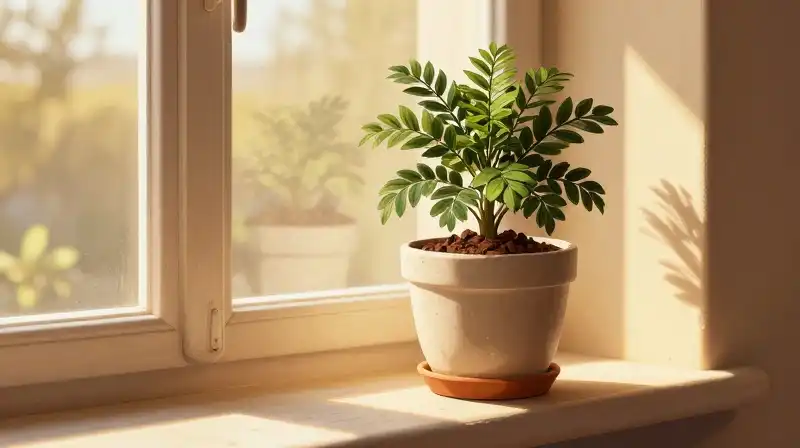
Growing a cinnamon tree indoors requires diligent care regarding air movement and humidity. Since cinnamon prefers humid climates, the indoor environment often needs assistance. Placing the pot near a humidifier or on a pebble tray filled with water helps raise the ambient moisture. Use a balanced, slow-release fertilizer monthly during the active growing seasons. In winter, fertilization must cease entirely to prevent root burn.
Soil, Watering, and Humidity Management
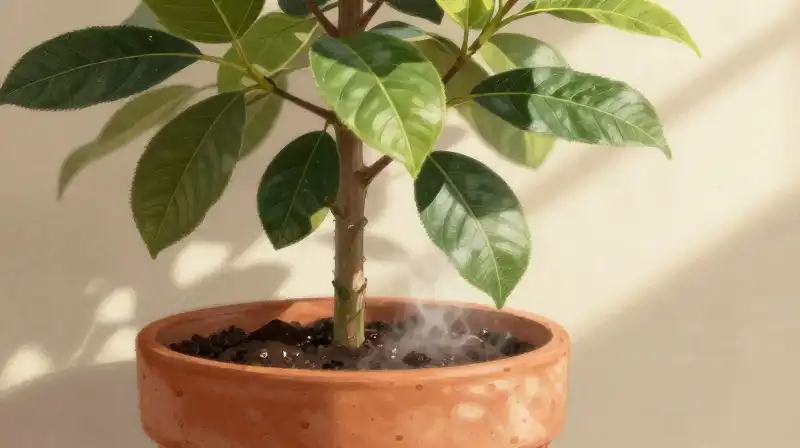
The two most critical factors in avoiding the common issues that lead to a dying cinnamon tree are proper drainage and consistent moisture. Many people incorrectly equate “deep watering” with “drench-and-ignore.”
To prevent root rot—a major cause of death—soil must be consistently well-draining. Sandy loam is highly preferred. If your indoor pot lacks a drainage hole, you must significantly restrict watering to ensure excess moisture can escape, otherwise, the trapped water will suffocate the roots.
- Watering Technique: Water deeply until it runs out of the pot, allowing the soil to soak completely. Wait until the top few inches of soil begin to dry out before watering again. Consistent, deep saturation is essential, but letting it sit soggy is lethal.
- Humidity Boost: If the air is dry, the cinnamon may exhibit brown leaf tips. This is a sign of humidity deficiency. Grouping plants together, using pebble trays, or using a targeted humidifier will mitigate this.
- Seasonal Routine: Use a balanced fertilizer during spring and summer. Stop feeding in the late fall and throughout winter.
Addressing Common Concerns and Challenges

Does a cinnamon tree go dormant?
While the cinnamon tree experiences a period of reduced growth during winter when temperatures drop, it does not undergo true dormancy. Its metabolic activity slows down, and it becomes less active. Because it is sensitive to cold, any drop below 40°F will stress the tree significantly, requiring protection or a shift indoors.
How do I prevent pests and fungal diseases?
Monitoring is the best defense against pests like mealybugs and leafminers, as well as fungal issues such as leaf spot. Regularly inspect the undersides of leaves and stems. To prevent fungal infections, maintain good air circulation around the plant. Promptly remove and destroy any infected or damaged branches to limit the spread of disease, as pruning should focus on health rather than just shaping.
Practical Considerations for Growth and Maintenance
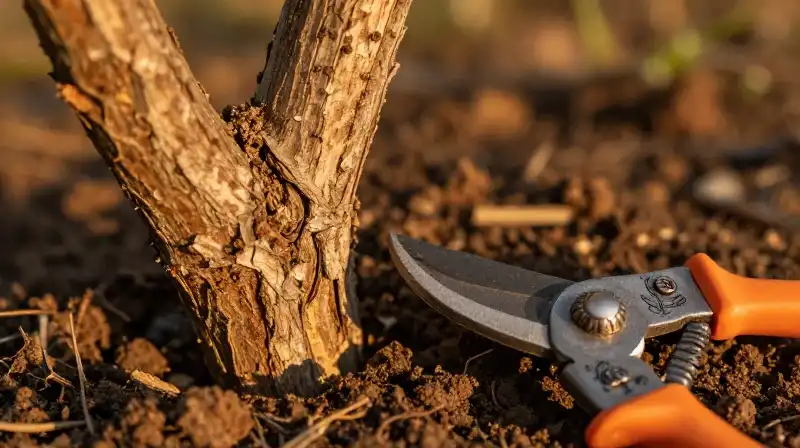
Successfully integrating the cinnamon tree into your space depends on managing its life cycle, from planting to harvest.
- Propagation: The plant can be propagated effectively using stem cuttings taken in the spring or early fall.
- Pruning: Regular structural pruning is not necessary, but any branch showing signs of being dead, diseased, or excessively crossed should be removed immediately to maintain overall plant health.
- The Harvest: Once established (typically two to three years after planting), the bark can be harvested by carefully scraping the outer layer until the edible, flavorful layer is exposed.
Critical Synthesis for Successful Cinnamon Tree Care
Cinnamon is a high-reward plant, but it demands respect for its tropical nature. The ultimate decision to keep it indoors or outdoors depends on your local climate and the effort you are willing to put into mimicking tropical conditions. The primary error most growers make is confusion between consistent moisture and saturation. By ensuring your cinnamon tree receives a minimum of six hours of direct sun, maintaining excellent drainage, and addressing the humidity needs of the air, you provide the foundation for a healthy, flavorful plant. Never let the top of the soil dry out completely, but never allow the roots to sit in constant standing water.
Frequently Asked Questions
How to take care of a cinnamon tree?
To care for a cinnamon tree, it requires intense light, specifically six to eight hours of direct sunlight, and thrives in warm, humid conditions. Key to its health is ensuring excellent drainage, typically by using sandy loam soil, and maintaining consistent moisture without allowing the roots to sit in standing water.
Is a cinnamon tree a good house plant?
Growing a cinnamon tree indoors is possible but requires diligent care to mimic its tropical habitat. Success depends on securing a very bright area with six to eight hours of intense light, maintaining high humidity, and strictly managing drainage to prevent root rot.
Do cinnamon trees go dormant?
The cinnamon tree does not undergo true dormancy, but it experiences a period of reduced growth and slowed metabolic activity during winter when temperatures drop. Since it is sensitive to cold, the tree requires protection if temperatures fall below 40°F.
Why is my cinnamon tree dying?
Common causes of death include root rot from waterlogged or poorly draining soil, insufficient sunlight (requiring six to eight hours of direct light), or humidity deficiency. The tree is also sensitive to cold, as any temperature drop below 40°F will stress it significantly.
How to Grow and Maintain a Cinnamon Tree
Ensure Adequate Light Exposure
Place the tree where it receives intense light, typically six to eight hours of direct sunlight per day. If indoors, a south-facing window is often the ideal placement.
Prepare Proper Drainage
Use rich, sandy loam soil which offers excellent drainage. If growing indoors and the pot lacks a drainage hole, restrict watering significantly to prevent root rot.
Implement Watering Technique
Water deeply until it runs out of the pot, allowing the soil to soak completely. Wait until the top few inches of soil begin to dry out before providing the next watering.
Boost Humidity
To mimic its tropical habitat, place the pot near a humidifier or on a pebble tray filled with water to mitigate humidity deficiency and prevent brown leaf tips.
Manage Seasonal Fertilization
Use a balanced, slow-release fertilizer monthly during the active growing seasons (spring and summer). Stop feeding entirely during the late fall and winter to prevent root burn.
Monitor for Pests and Disease
Regularly inspect the undersides of leaves and stems for pests and maintain good air circulation around the plant to prevent fungal infections.
Related Articles