
Garden vs. Lawn Tractors: The Definitive Comparison Guide

Introduction
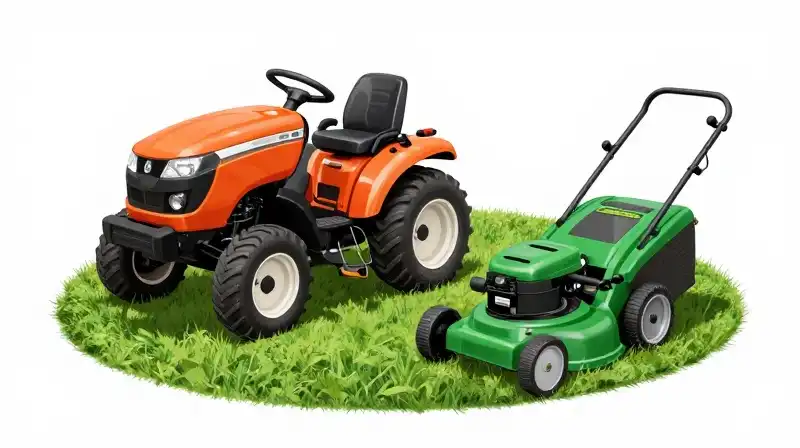
Choosing between a lawn and a garden tractor is fundamentally a decision about purpose. While they may look similar on the surface, they are engineered for vastly different roles. A lawn tractor is optimized for specialized grass cutting and precise, relatively compact maintenance tasks. Conversely, a garden tractor is designed as a “workhorse” intended for broad versatility, tackling demanding chores that extend far beyond simple mowing, such as hauling, tilling, or landscaping. The right choice depends entirely on the complexity of your property and the range of tasks you need the machine to perform.
Functional Differences: Specialized Cutting vs. Versatile Labor
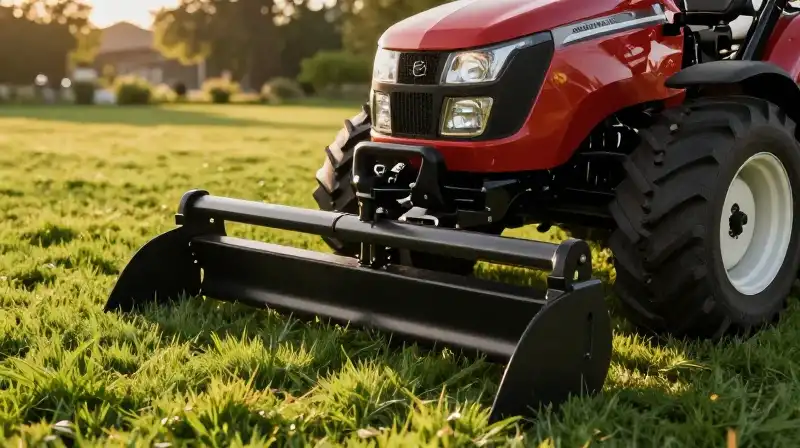 The primary distinction lies in their intended function. A lawn tractor focuses almost exclusively on efficient grass cutting, delivering neat and consistent lawn results. Its entire design prioritizes ease of use and high-volume cutting in dedicated lawn areas. Garden tractors, however, are built for utility. They are designed to be equipped with various implements to handle heavy, diverse yard work.
For example, a garden tractor can be fitted with a tractor hitch and various attachments, allowing it to:
- Pull a heavy trailer for hauling mulch and yard waste.
- Employ a tiller or scarifier to prepare soil for planting.
- Utilize a hydraulic ram or rake for large-scale site preparation.
- Handle snow removal tasks like plowing.
While a lawn tractor can have minor accessories like leaf collectors, its core design is fundamentally focused on the cutting action, whereas the garden tractor is a multifunctional platform.
Physical and Performance Attributes: Size, Power, and Maneuverability
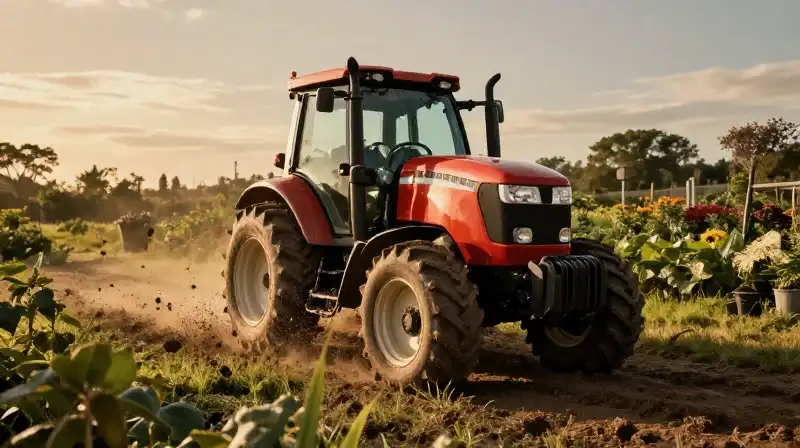 The difference in intended use dictates significant variations in the mechanical specifications of the two machines, particularly concerning power and dimensions.
Power and Mechanical Engineering
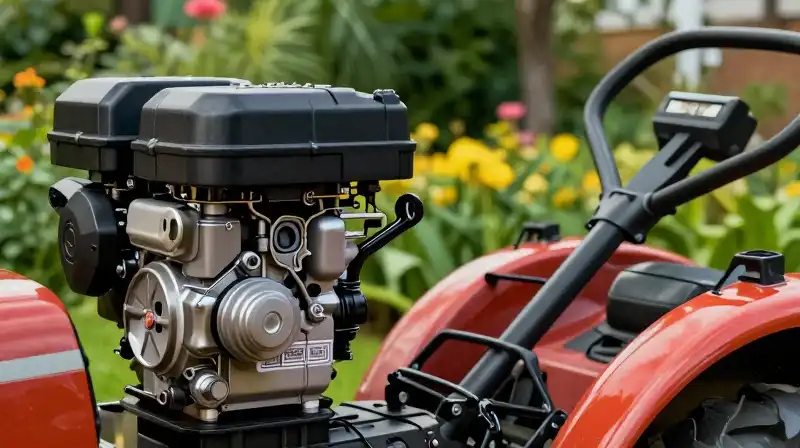
Garden tractors generally feature higher horsepower engines than their lawn tractor counterparts. This increased power is necessary to support the complex demands of handling multiple, heavy-duty tasks simultaneously. Key power advantages of a garden tractor include:
- Heavy-Duty Components: Built to withstand the strain of pulling heavy attachments (like a loader or tiller).
- Enhanced Traction: Often equipped with features like locking differentials to improve grip during demanding tasks.
- Hydraulic Systems: Many garden tractors feature a hydraulic PTO system, which is essential for operating heavy, adjustable implements.
Note on Advertised Specs: Engine specifications provided by manufacturers (horsepower and torque) are primarily for comparison. Actual operating performance may vary and should be verified through the engine manufacturer’s official sources.
Size and Footprint
Conversely, lawn tractors are engineered to be compact and highly efficient for smaller, more manicured spaces. This smaller footprint offers considerable advantages in navigation. In areas with tight passages, like between trees or narrow garden beds, a compact lawn tractor is much easier to maneuver and store. Garden tractors, due to their bulkier, heavy-duty construction, require a larger operating area and more substantial storage space.
Attachment Utility: Expanding the Garden Tractor’s Scope
One of the most compelling reasons to consider a garden tractor is its adaptability through attachments. While both types offer basic cutting functions, the scope of utility is limited only by the implement you attach.
Common Attachment Capabilities
Garden tractors act as a central power source for various implements, transforming them into multifaceted landscaping tools. Essential attachments include:
- Ground Preparation: Tillers and scarifiers break up compacted soil.
- Waste Management: Collector attachments gather clippings, while side-ejection and mulching options handle clippings during the mow itself.
- Material Handling: Spreaders for distributing amendments and trailers for hauling materials.
- Utility: Leaf collectors, moss rakes, and specialized loaders.
Selecting a tractor often depends on your clipping management needs—whether you prefer the neat, organized results of a collector, the swift efficiency of side ejection, or the natural decomposition benefits of mulching.
Making the Right Choice: Decision Criteria for Garden Tractor Purchase
 To determine if a garden tractor or a lawn tractor is the better fit for your needs, evaluate your property against these key criteria:
Choose a Lawn Tractor If…
Your primary focus is maintaining a tidy, consistently mowed lawn in a limited area.
- Your property is relatively small or focused on a specific lawn area.
- Your main requirement is high-efficiency, regular grass cutting and basic light maintenance.
- Ease of storage and maneuverability in tighter spaces is a priority.
Choose a Garden Tractor If…
Your work involves a diverse range of demanding, heavy tasks across a larger space.
- You need to haul materials, till soil, or perform snow removal.
- You have varied terrain, including overgrown areas, bushes, and heavy debris.
- You require a platform for multiple implements to perform all your yard duties.
- The “workhorse” functionality and versatility outweigh the need for a highly specialized cutting experience.
| Feature | Lawn Tractor | Garden Tractor |
|---|---|---|
| Primary Function | Specialized Grass Cutting | Broad Versatility & Labor |
| Power Output | Standard/Focused | High/Heavy-Duty |
| Operating Space | Optimal for Compact Areas | Suited for Large, Diverse Landscapes |
| Utility/Attachments | Basic Mowing/Collection | Extensive (Tilling, Hauling, Plowing) |
Practical Purchasing Considerations and Equipment Limits
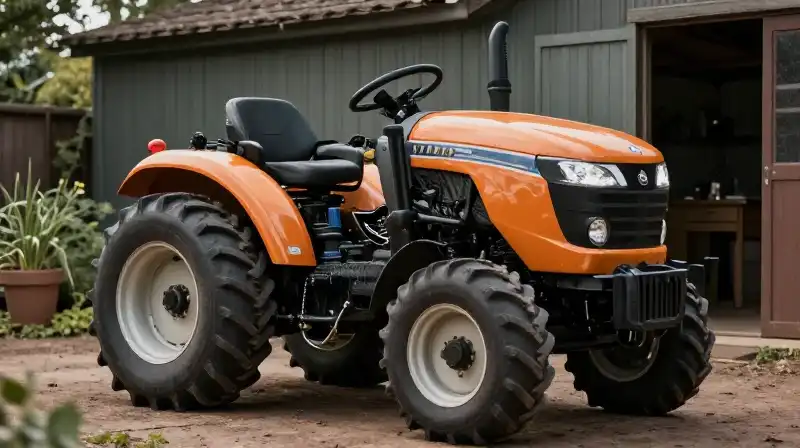 Before purchasing, consider these practical factors to avoid common misalignments between expected performance and actual capability.
Performance Expectations: While powerful, garden tractors require more robust maintenance and larger storage solutions. When considering a 4x4 Garden tractor, ensure the terrain matches its capability; 4x4 systems are designed for significant traction on uneven, muddy, or steep ground, but they require careful operation and maintenance.
Availability and Configuration: Equipment availability can be limited, especially for specific models like those from John Deere or specialized attachments like loaders. If a tractor is needed with specific implements, you must consult an authorized local dealer. Furthermore, marketing images and models shown usually depict base configurations; they may not include all available options or specialized attachments.
Final Selection Strategy: Look beyond the horsepower number. Determine the “heaviest lift” or the “most demanding task” you foresee. If the task is heavy and varied (tilling, pulling, etc.), the garden tractor’s added weight and robust chassis are crucial. If the task is solely high-efficiency cutting in a manageable area, the compact lawn tractor remains the more focused and practical tool.
Related Articles