
Broomcorn: A Natural Guide to Making Brooms and Ornaments

Introduction
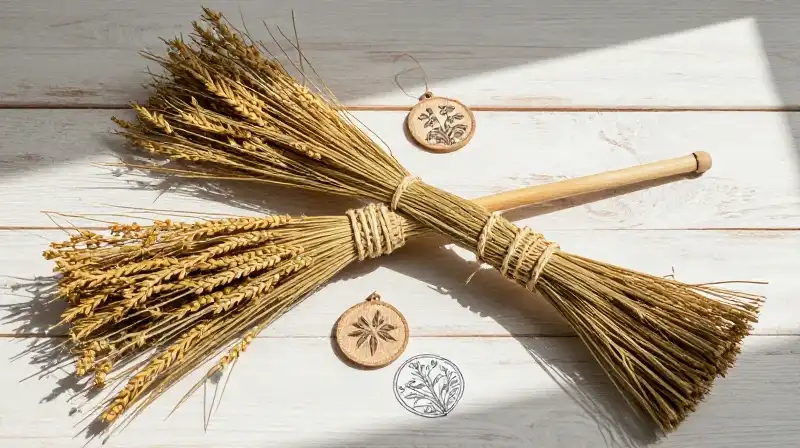
Broomcorn is a traditional heirloom variety of sorghum, uniquely prized for its robust, flexible bristles. Often mistaken for a common cereal, this plant—botanically classified as Sorghum vulgare—is a distant relative of sweet corn, but its value lies in its highly fibrous, natural straw. It is a versatile natural material that serves two distinct purposes: it is a primary component in constructing traditional round brooms, and it is utilized as an unprocessed element in decorative arrangements. Understanding broomcorn involves recognizing this dual nature, moving beyond simple identification to appreciating its functional and ornamental potential.
Botanical Characteristics and Origin
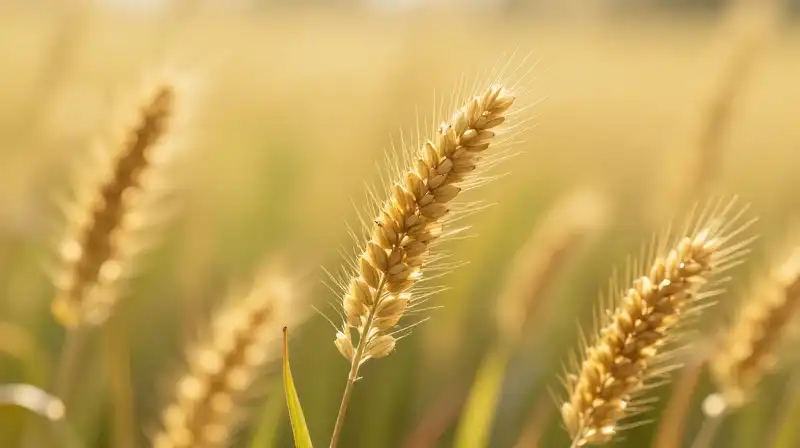
Originating primarily in Central Africa and cultivated extensively in regions of central Mexico, broomcorn is a hardy annual plant that thrives in various climates. It matures into a tall grass, developing broad, distinctive fan-shaped heads. These characteristic heads are key to its identification and quality, typically ranging in length between 16 and 20 inches. Unlike typical crops, broomcorn is valued precisely for its fibrous stems and long, resilient bristles, which have allowed it to maintain its use in hand-crafted tools for centuries.
Dual Applications: Broom vs. Ornament
The usefulness of broomcorn depends heavily on how it is processed and what its intended final use is. The harvested straw functions as a raw, unrefined natural material, suitable for two primary applications: functional tool construction and decorative craft.
Crafting Traditional Household Brooms
Broomcorn has long been the material of choice for traditional round brooms due to the flexibility and durability of its bristles. This usage requires the raw stalks to be maintained in their strong, intact state. Because the bristles are naturally long and flexible, they provide effective sweeping power. When constructing a standard round broom, a conservative estimate suggests requiring approximately one-quarter pound of stalks. The final number of brooms that can be yielded from a specific quantity will vary depending on the desired broom size and the consistency of the plant material.
Dried Decorative Arrangements
Beyond its functional role, broom corn is an attractive ornamental crop. The distinctive, tasseled heads and the overall rich, striking natural color palette make it ideal for dried decorative purposes. These stalks can be harvested and dried to form elegant and rustic arrangements, reflecting historical agricultural practices.
Growing and Harvesting Tips
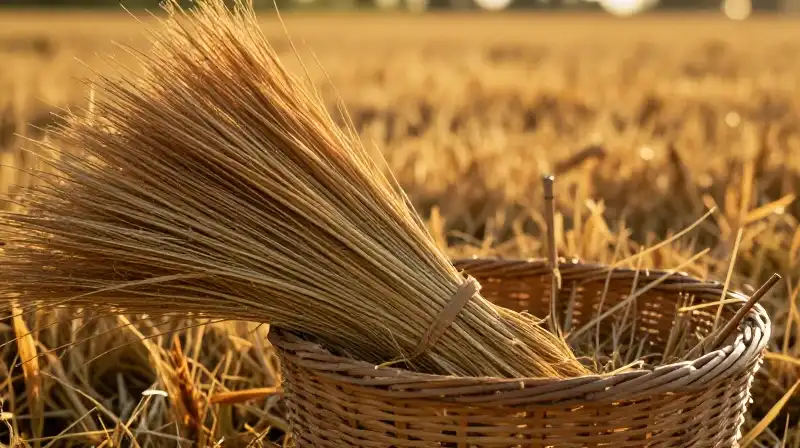
If you intend to cultivate your own supply, broomcorn seeds are available for garden planting. It is important to recognize that successful harvests rely on proper drying and preparation before the material is usable.
When harvesting, the material must be collected and dried thoroughly. To maximize the material’s utility, the crop needs to be preserved in a condition that maintains its structural integrity.
Guidelines for Broomcorn Processing and Storage
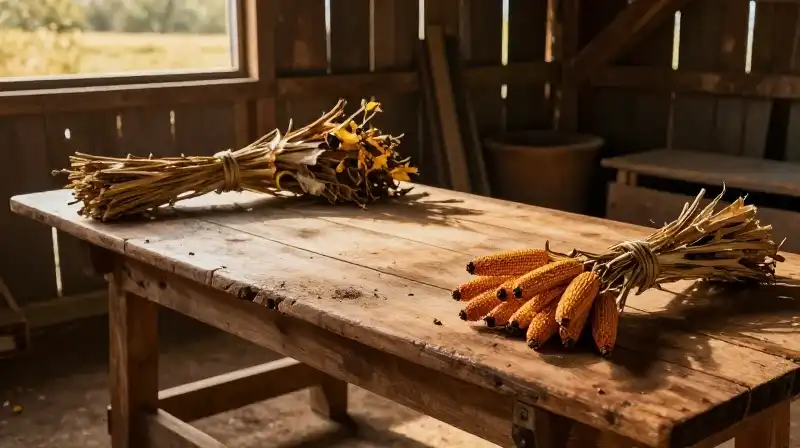
Proper handling after harvest is essential for ensuring the longevity and quality of the material, whether you are planning to use it for brooms or as dried décor.
Preparation: The broomcorn material is typically prepared and measured for its application. When used for construction, the craft broomcorn material may be measured between 26 and 34 inches in length, though total plant length can range from 25 to 36 inches depending on the specific stalk.
Long-Term Storage: To prevent deterioration and preserve its inherent quality, broomcorn must be stored correctly. The most critical factors for preservation are:
- Keep it in a cool, dry location to prevent molding and decay.
- Avoid direct exposure to sunlight, which can degrade the material’s color and durability.
If stored under these conditions, the material maintains its usability and strength for many years.
Choosing Accessories for Broom Construction
While the broomcorn provides the core of the brush, accessories are necessary for structural completeness. When crafting traditional brooms from broomcorn, the use of sturdy handles is a common practice. Ash handles are a compatible and traditional accessory widely used in broom construction, providing a durable base for the flexible bristles.
Priorities for Using Broomcorn as an Heirloom Material
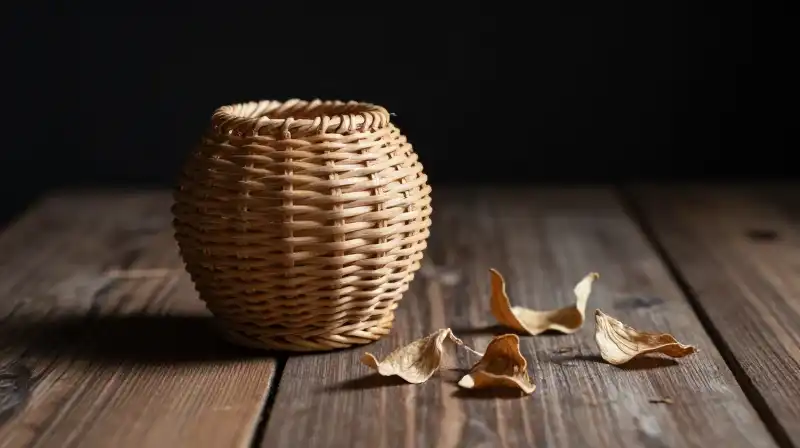
Broomcorn represents a historical tradition of hand-crafted tools and decorative natural materials. When deciding how to utilize this heirloom variety of sorghum, focus on its inherent qualities rather than seeking modifications.
To ensure successful results, whether for functional or decorative purposes, consider these final precautions:
- Assess Condition: Ensure the material is completely dry and free of mold or moisture before attempting to use it in a broom or a display.
- Determine Use First: Before cutting or preparing the stalks, decide if the material will be functional (broom) or ornamental (dried arrangement), as preparation methods will differ significantly.
- Handle Material Gently: Since broomcorn is often used in a raw, unrefined state, aggressive handling or excessive rough treatment can diminish its flexibility and life span.
How to Utilize Broomcorn as an Heirloom Material
Assess Condition
Ensure the material is completely dry and free of mold or moisture before attempting to use it in a broom or a display.
Determine Use First
Before cutting or preparing the stalks, decide if the material will be functional (broom) or ornamental (dried arrangement), as preparation methods will differ significantly.
Handle Material Gently
Since broomcorn is often used in a raw, unrefined state, aggressive handling or excessive rough treatment can diminish its flexibility and life span.
Related Articles