Ixora Maui Red: Characteristics, Care, and Landscaping Tips

Introduction
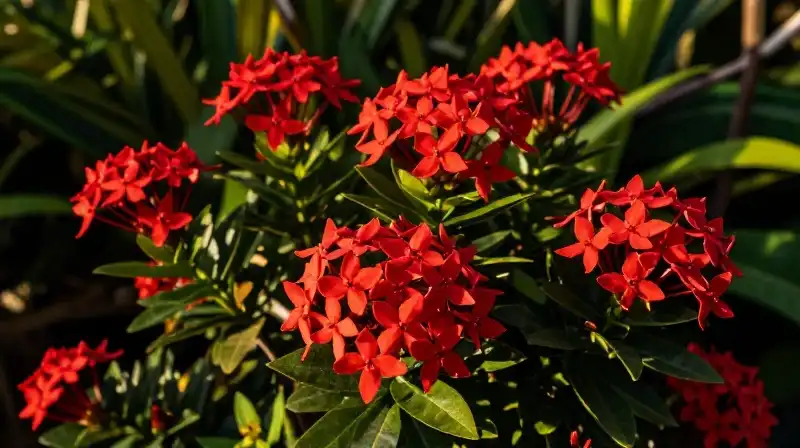
The Ixora Maui Red stands out in tropical gardening as a dense, sun-loving perennial shrub renowned for its consistent production of intensely colored, tubular flowers. While many Ixora varieties come in shades of orange or yellow, the Maui Red offers a signature vibrant hue that makes it a focal point in landscaping. It is a hardy plant that thrives in year-round warmth, providing continuous color through both the tropical seasons and often through winter in suitable climates. This guide provides detailed information on the characteristics, specific care requirements, and uses of the Ixora Maui Red to ensure success whether you are aiming to create a vibrant border or a structured hedge.
Key Characteristics of Ixora Maui Red
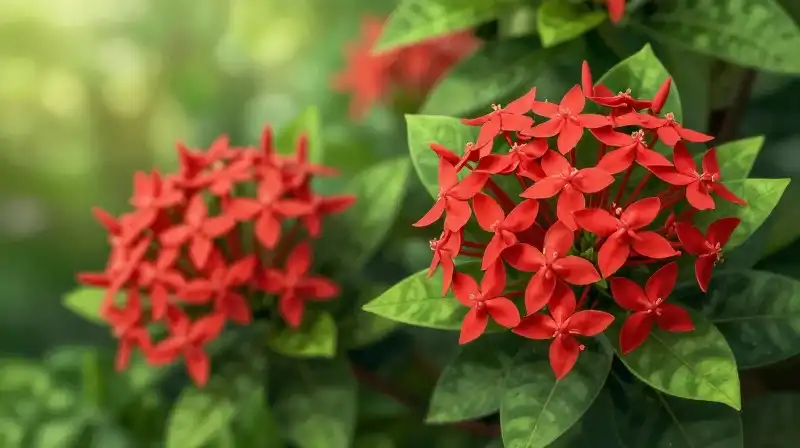
Understanding the inherent characteristics of the plant helps determine where it will perform best. The Ixora Maui Red is classified as a compact, densely branching shrub with a distinctive growth habit.
The foliage of this tropical perennial undergoes a noticeable transformation. When the plant is young, its leaves often exhibit a bronze coloration, which eventually gives way to a deep, rich dark green as the plant matures. The flowering stage is marked by clusters of tubular blossoms. These clusters are known to maintain their vibrant color for an extended period, typically 6 to 8 weeks, providing sustained visual interest.
As a perennial shrub, the Ixora Maui Red is robust and adapted to handle several uses in the garden:
- Screen and Hedge: Its compact and dense branching structure makes it excellent for defining spaces.
- Border Plant: It provides a consistent color anchor along pathways and garden edges.
- Featured Specimen: Its bright floral display allows it to be used as a standalone centerpiece in pots or beds.
Growing Conditions and Care Requirements
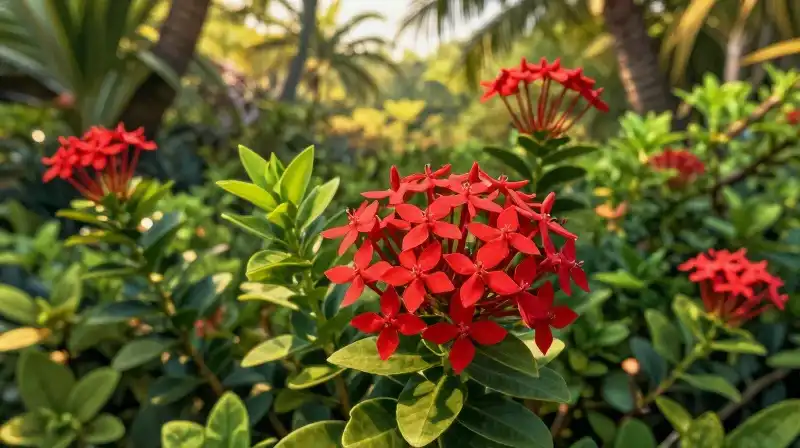
To maintain a healthy, vigorously flowering Ixora Maui Red, specific horticultural needs must be met, primarily focusing on light and moisture.
Sunlight, Soil, and Drainage
The Ixora Maui Red is a sun-loving species. Full, direct sunlight is necessary for it to maintain its dense structure and produce its characteristic abundant blooms. Insufficient light will result in sparse foliage and reduced flowering. The soil should be well-draining, as the plant is susceptible to issues if the root system remains waterlogged.
While general soil types vary, providing a rich, moist growing medium that retains adequate moisture during dry spells is key. Fertilizing should occur regularly to support the plant’s growth and the production of numerous flower clusters.
Watering and Climate Limits
Consistent watering is crucial, especially during the establishment phase and through dry periods. However, avoid overwatering, which can stress the plant and promote root rot. Ixora Maui Red thrives in tropical and subtropical climates where it can spend the year in warm temperatures. Extreme cold or prolonged periods below freezing can damage the plant.
Ixora Maui Red vs. Dwarf Ixora: Clarifying the Difference
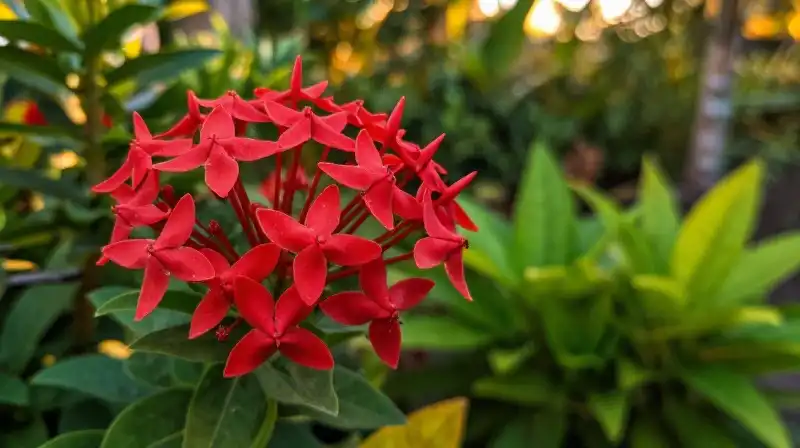
Users often wonder about the distinction between the standard Ixora Maui Red and its dwarf counterparts. The difference lies primarily in the plant’s growth habit and intended use, not necessarily in its flower quality.
The Ixora Maui Red (the standard variety) is typically a more robust, upright, and full-bodied shrub, suitable for taller hedges or specimen planting where size is not a limitation. Ixora Maui Red Dwarf varieties, on the other hand, have been bred specifically to remain smaller and more compact, making them ideal for:
- Small, contained garden spaces.
- Pots and containers where space is limited.
- Tight borders or as a foreground element in a landscape.
While both share the vibrant red coloration, the dwarf variety provides the control and low profile necessary for smaller garden designs.
Maui Red Ixora: Perennial Status and Climate Considerations in Winter
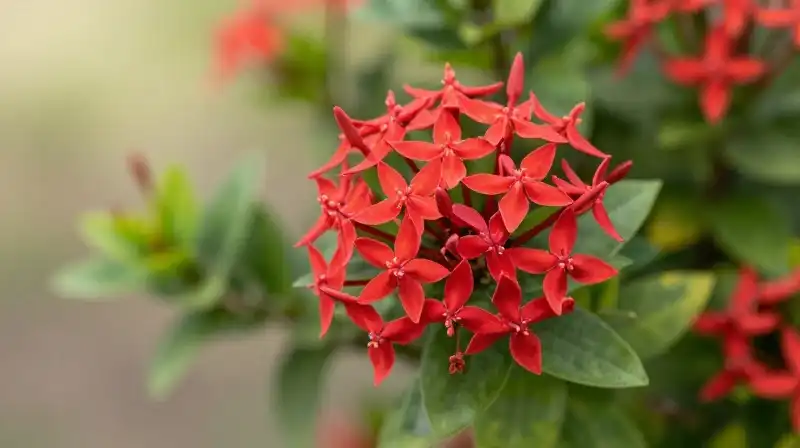
The Ixora Maui Red is classified as a perennial shrub, meaning it is intended to live for multiple growing seasons. However, this does not imply it is indestructible in cold regions. Its “perennial” status is contingent upon the climate’s ability to provide warmth.
In Winter: In temperate zones, an Ixora Maui Red typically enters a dormant phase or may lose some leaves if temperatures drop below freezing. For plants intended for cooler climates, seasonal protection—such as grouping them together, mulch application, or moving them to a frost-protected location—is highly recommended to prevent damage. Successful winter survival depends entirely on the specific climate zone in which the plant is situated.
Troubleshooting and Maintaining Vibrant Color
Maintaining the rich red hue is a common goal. While the pigment is natural, environmental conditions and soil health can affect its vibrancy over time. If you notice the red starting to appear dull or exhibiting purplish-red spotting, it can often indicate a change in soil conditions or nutrient balance.
To restore the color and maintain plant health, consider the following practical steps:
- Monitor Soil pH: If the plant seems to be struggling or losing color in specific patterns, checking the soil’s pH may be necessary. Soil acidity or alkalinity can influence the uptake of micronutrients essential for optimal pigment production.
- Regular Feeding: Ensure the shrub receives a balanced fertilizer designed for flowering shrubs to fuel the production of new, colorful blooms.
- Pruning: Regular pruning encourages bushiness and dense growth, which in turn supports healthier, more uniform coloration across the entire plant.
Selecting the Right Ixora Maui Red for Landscaping
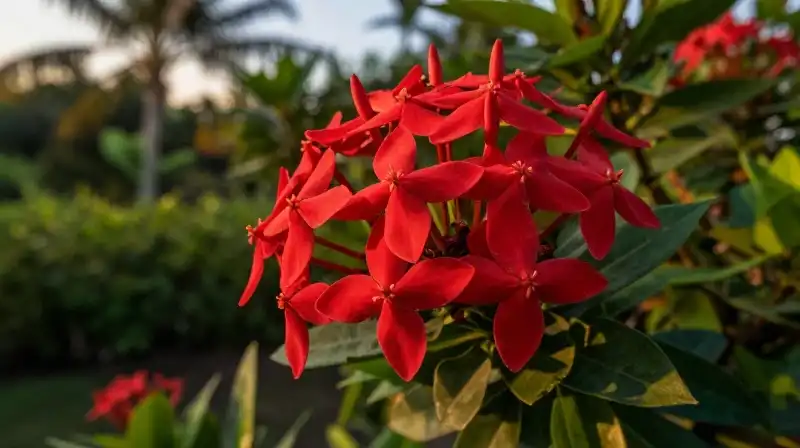
The Ixora Maui Red is versatile, but its suitability depends on the specific landscape challenge you are addressing.
Use the following criteria to determine the best application for your garden:
| Landscape Goal | Recommended Ixora Maui Red Form | Practical Benefits |
|---|---|---|
| Creating defined walkways or small patios | Dwarf variety (smaller, more controlled) | Maintains a low profile, prevents overgrowth, excellent in pots. |
| Creating a formal boundary or privacy screen | Standard variety (compact and dense) | Achieves a solid, continuous wall of color with less maintenance. |
| Adding “pop” of color to a large mixed bed | Standard variety (used as a featured specimen) | Provides a concentrated, intense focal point for the eye. |
When considering purchasing the Ixora Maui Red, confirm the availability and size of the specific cultivar to align the plant’s mature height and spread with the intended space.
Final Practical Summary for Success

To successfully incorporate the Ixora Maui Red into your garden, remember that its success is a direct result of consistent, targeted care. It requires a position of full sunlight and a well-draining, nutrient-rich environment. Whether you opt for the standard variety to serve as a dense screen or the dwarf variety for contained design, the key to vibrant, year-round color lies in proper maintenance. Regularly monitoring soil moisture and pH will ensure your Maui Red remains a striking, high-performance plant in your landscape.
Frequently Asked Questions
What is the difference between Maui red Ixora and dwarf Ixora?
The primary difference lies in the plants growth habit and intended use, rather than its flower quality. The standard Ixora Maui Red is a robust, full-bodied shrub suitable for taller hedges, while the dwarf variety is bred to be smaller and more compact, making it ideal for pots and tight borders.
How to maintain vibrant color and health in an Ixora Maui Red
Monitor Soil pH
If the plant appears to be struggling or losing color in specific patterns, check the soil's pH. Soil acidity or alkalinity can influence the uptake of micronutrients essential for optimal pigment production.
Regular Feeding
Ensure the shrub receives a balanced fertilizer specifically designed for flowering shrubs to fuel the production of new, colorful blooms.
Pruning
Practice regular pruning. This encourages bushiness and dense growth, which in turn supports a healthier and more uniform coloration across the entire plant.
Related Articles