Growing Helianthus Maximiliani: A Guide to Propagation and Care

Introduction
Helianthus maximiliani, commonly known as the Maximilian sunflower, is a cornerstone of Tallgrass prairie ecosystems. As a robust, perennial plant native to North America, it offers significant benefits—from creating living hedges to providing crucial nectar for wildlife. While these sunflowers are highly valued, successfully growing them from seed is not a simple process. Native wild seeds often possess inherent dormancy mechanisms, a natural survival strategy designed to prevent mass germination during unfavorable conditions. To incorporate this powerful species into a landscape, understanding how to manage this dormancy is the most important first step.
This guide focuses on transforming seed viability into a flourishing plant, providing detailed methods for propagation and essential care tips for growing helianthus maximiliani.
Maximizing the Utility of Helianthus Maximiliani

The Maximilian sunflower is distinguished by its vigorous growth and ability to adapt to various ecological roles. Often cultivated for its hardiness, it naturally forms distinct, circular colonies of deep green foliage. Helianthus maximiliani is highly prized by landscape designers and conservationists for several specific functions:
- Habitat Restoration: Its blooms from August through October are a primary resource for pollinators, particularly Monarch butterflies, making it essential for wildlife corridors.
- Structural Planting: The plant can be successfully cultivated as a living hedge, offering a dense barrier along fences or building edges.
- Ecosystem Support: Utilizing both seeds and rhizomes, the species is effective at increasing density and spreading its influence within a given area.
The Critical Phase: Understanding Seed Dormancy
The most common roadblock for home gardeners attempting to grow helianthus maximiliani from seed is “seed dormancy.” Dormancy is a built-in biological switch that keeps a seed from germinating until specific environmental cues are met. This protective mechanism ensures the plant waits for conditions that favor survival, such as the end of a harsh winter or a prolonged rainy season.
Successfully managing this requires identifying the specific germination code or instructions for the species. Some native seeds require no handling, while others necessitate pre-germination treatments. For *Helianthus maximiliani*, the goal is to artificially “break” this dormancy so that the seed recognizes the presence of warmth and moisture as a signal to sprout.
When is Helianthus Maximiliani a Perennial?
Yes, Helianthus maximiliani is a perennial. This characteristic means that with proper care, it is designed to live for multiple growing seasons, returning year after year. This adds to its longevity as a landscape plant compared to annual sunflowers.
Effective Propagation Methods: Breaking Dormancy
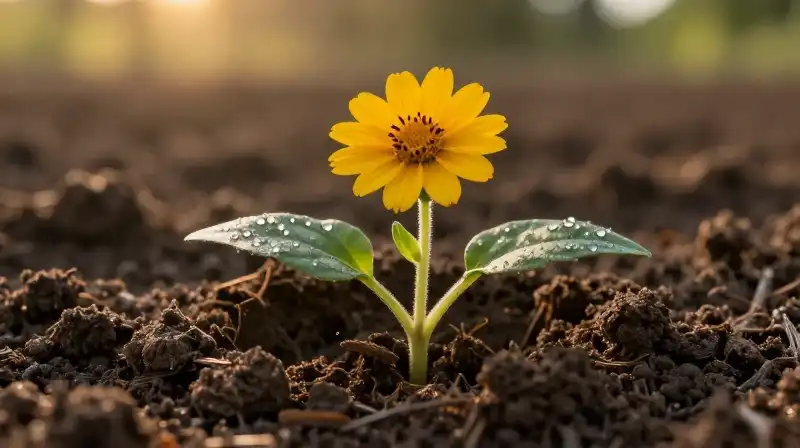
There are two primary ways to overcome the dormant barrier and initiate germination:
Natural Dormant Seeding
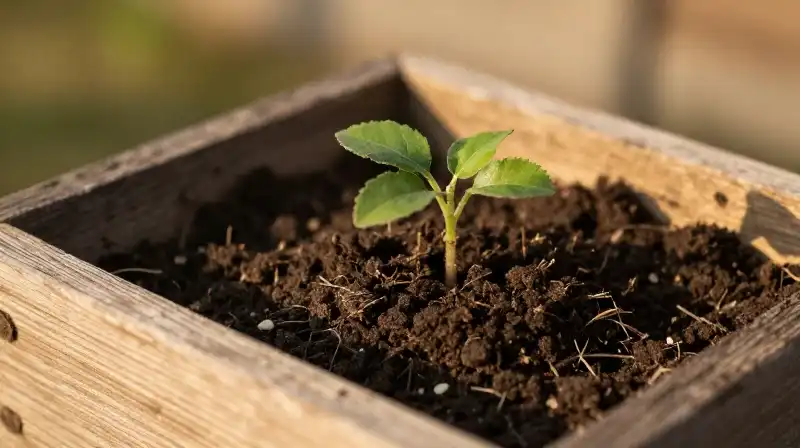
This approach leverages the natural processes of the environment. Dormant seeding involves sowing seeds into a preparation where they can undergo weathering and conditioning. This typically requires the following:
- Site Selection: Choose a site that is completely weed-free to ensure proper seed-to-soil contact.
- Timing: Sow the seeds in late fall or winter.
- Natural Conditioning: Allow the seeds to sit through the winter, where they will be conditioned by snow and cold temperatures, prepping them for viability when spring returns.
Artificial Cold/Moist Stratification
For quicker results or if sowing in winter is not feasible, artificial stratification is recommended. This is a controlled process designed to mimic the effects of a natural winter.
Procedure:
- Place the seeds in a moist medium (like peat or perlite).
- Refrigerate the seeds in a cool, moist environment (typically 34–40°F) for an extended period, often several weeks or months.
- The prolonged cold exposure signals to the seed that conditions are favorable for growth, thereby breaking the dormancy.
Plant Care and Maintenance for Mature Helianthus Maximiliani
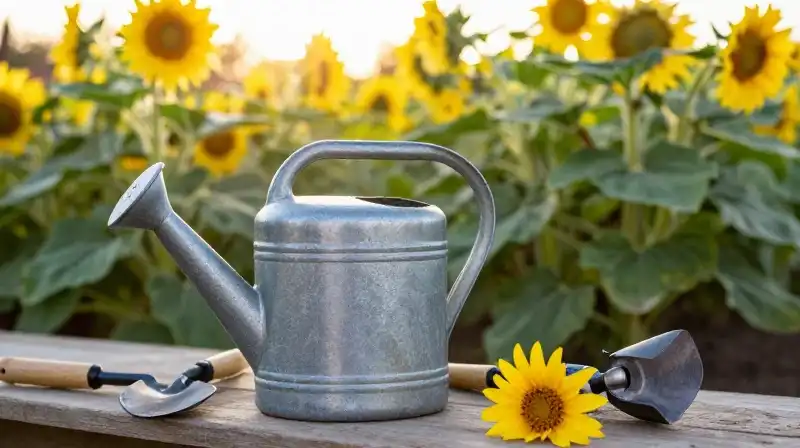
Once the sunflowers have established themselves, regular care ensures a healthy, robust specimen that fulfills its ecological and aesthetic potential. The plant typically reaches a height of 4 to 6 feet and features large, three-inch yellow flower heads.
A specific maintenance practice, especially for landscape management, is necessary to encourage dense, healthy growth:
| Maintenance Task | Timing | Purpose | Result |
|---|---|---|---|
| Pruning | Late May | Encourages structural density and thicker clumps. | Denser foliage and more vigorous spread. |
| Pollination/Seed Production | August to October | Utilizing the plant’s natural reproductive cycle. | Successful seed production and wildlife support. |
| Watering/Location | Ongoing | Maintaining deep roots in its native Tallgrass prairie habitat. | Robust survival and ability to withstand drought. |
Choosing Helianthus Maximiliani for Your Landscape
Whether you are restoring a wild area or seeking a striking feature for your garden, understanding the plant’s attributes helps you make an informed decision. Below is a summary of key traits to consider when selecting this species:
- Hardiness: Excellent—naturally forms thriving colonies.
- Attractants: Highly valuable; known for attracting diverse pollinator species and Monarch butterflies.
- Use Case: Ideal for large-scale projects like living hedges or habitat islands.
- Growth Pattern: Tends to increase in density annually, making it an effective ground cover/screening plant.
Practical Considerations and Synthesis for Success
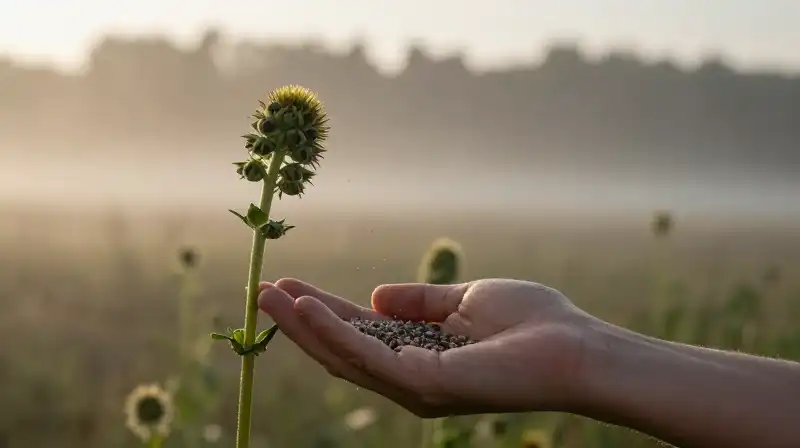
Growing helianthus maximiliani from seed is a rewarding but nuanced process. The biggest differentiator between a successful and failed attempt is correctly executing the pre-germination phase. Do not skip the dormancy breaking step, regardless of the chosen method. If propagation fails, verify if the seed requires specific stratification instructions or if it is merely a matter of poor timing relative to natural seasonal cues.
For those interested in specific attributes, searching for Helianthus maximiliani leaves or its native range helps confirm the best local conditions for planting. Successful cultivation relies on breaking the seed’s biological alarm, followed by attentive care, particularly the strategic pruning in late spring to ensure the plant reaches its full, robust potential.
Frequently Asked Questions
Is helianthus maximiliani a perennial?
Yes, Helianthus maximiliani is a perennial plant. This means that with proper care, it is designed to live for multiple growing seasons, returning year after year.
How to Initiate Germination of Helianthus Maximiliani Seeds
Prepare the Seed Medium
Place the seeds in a moist medium, such as peat or perlite.
Refrigerate the Seeds
Refrigerate the seeds in a cool, moist environment, typically maintaining a temperature between 34–40°F (1–4°C) for an extended period, often spanning several weeks or months.
Allow for Conditioning
The prolonged cold exposure signals to the seed that conditions are favorable for growth, effectively breaking the dormancy and preparing it to sprout when moved to suitable planting conditions.
Related Articles