
Effective Spider Control: The Homeowners Guide to Prevention

Introduction
The presence of spiders in the home is a common issue, but successful control of spiders requires moving beyond simple chemical application. A truly effective strategy is holistic, focusing on disrupting the spiders’ attractors—namely, shelter, warmth, and their insect food source—while simultaneously blocking their entry points. Spiders are attracted to specific conditions, so addressing the root causes of their presence is the most reliable path toward long-term eradication and prevention. This guide outlines a tiered approach, starting with structural barriers and progressing to specialized chemical and environmental treatments.
Structural Defense: Sealing and Exclusion
 The primary goal in controlling spiders is preventing entry. Spiders, like many household pests, seek gaps and weaknesses in the home’s envelope.
Sealing Entry Points
A consistent barrier is necessary to ensure spiders cannot migrate indoors. This involves a thorough inspection of the entire home perimeter.
- Windows and Doors: Install tight-fitting door sweeps and weather stripping around all entrances. This prevents access, especially at ground level.
- Cracks and Gaps: Use caulking to seal any small cracks found in foundations, window frames, utility penetrations, and around pipes.
- Screens: Replace or install high-quality window and door screens. This physical barrier significantly reduces insect entry, thereby cutting off the spiders’ primary food supply.
Deterring Exterior Habitat
Reducing the attractiveness of the home’s exterior is crucial for minimizing spider migration indoors.
- Vegetation Management: Regularly clear overgrown bushes and dense vegetation near the property perimeter, as these areas provide ideal hiding spots.
- Debris Removal: Move or dispose of piles of firewood, stacked items, and debris positioned close to the foundation. These areas offer excellent shelter and warmth.
- Tidiness: Keep immediate exterior areas tidy to reduce general pest activity, which in turn reduces the spiders that hunt those pests.
Environmental Control: Managing Shelter and Food Sources
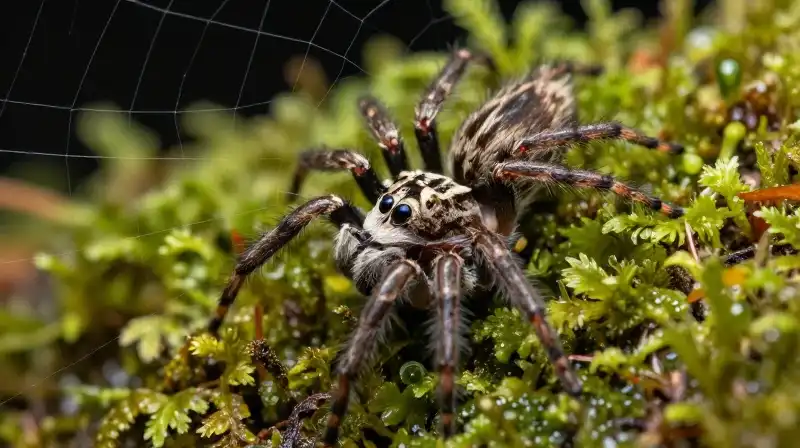 If you are seeking control of spiders in the house, managing the indoor environment is just as important as sealing the doors. Spiders need places to live and a reliable food chain.
Decluttering High-Risk Areas
Reducing available shelter limits where spiders can reside. Areas with complex, undisturbed surfaces are preferred by spiders.
- Attic and Basement Maintenance: Thoroughly declutter these areas. Excessive stored goods provide hidden niches, and minimal movement allows webs and egg sacs to flourish.
- Closets and Garages: Maintain strict organization in these spaces to eliminate potential hiding spots and limit the opportunity for webs to form.
Natural Deterrents and Cleaning
Maintaining rigorous hygiene and utilizing natural repellents can discourage spider presence.
Regular vacuuming and dusting are effective because they mechanically remove webs, eggs, and the loose debris that attracts pests. For a natural approach, specific essential oils like peppermint and lavender can be used as deterrent sprays along entry points, as many spiders dislike these strong scents.
To further limit their food supply, minimize outdoor lighting where practical, as excessive light often draws and supports large populations of insects.
Targeted Chemical Treatment and Monitoring
When physical and environmental measures are taken, targeted applications can finish the job of pest eradication.
Direct Removal of Spiders and Eggs
The initial stage of elimination involves physically removing the spiders themselves, a step that complements chemical treatments.
- Egg Sac Destruction: This is a critical step. Destroying egg sacs is essential because a single one can contain hundreds of young spiders, ensuring the next generation can emerge.
- Vacuum and Scour: Using a vacuum or broom effectively removes webs, spiders, and eggs from hard-to-reach areas.
- Glue Traps: Strategically placing glue traps along baseboards, in corners, and near walls allows you to passively monitor hotspots and capture wandering spiders without aggressive spraying.
Applying Insecticides and Dust Treatments
For persistent infestations, targeted treatments are necessary. It is important to use methods appropriate for the specific area being treated.
Perimeter Application: A perimeter spray insecticide can be applied to entry points. Chemicals like bifenthrin, cyfluthrin, or deltamethrin are designed to kill spiders and prevent them from entering the structure. Always apply these according to label instructions and prioritize ventilation.
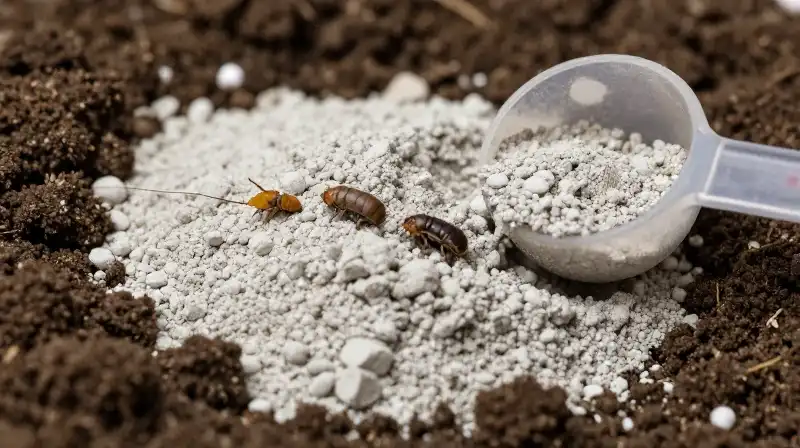
Crevice Treatment: Dust insecticides, such as Cimexa or DeltaDust, are highly effective when applied as a fine deposit into deep crevices, behind furniture, and in hidden areas. This residual effect kills spiders and their offspring over time.
Note on Pet Safety: When choosing treatments, select products labeled safe for household use, following all safety protocols to ensure applications are in areas pets and children cannot access. For pet safety, non-aerosol treatments or professional application in sealed areas are preferred.
Addressing Severe and Persistent Infestations
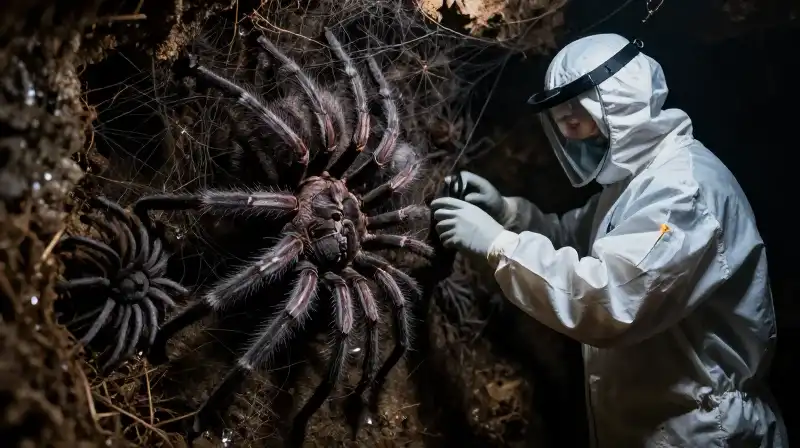 While proactive homeowner measures are highly effective, some situations exceed the scope of typical DIY solutions.
When to Call Professionals
Professional pest management services are warranted when infestations become severe or if the spiders present a risk. They utilize advanced, customized solutions and have access to knowledge regarding specific dangerous species.
Understanding Permanent Removal
Achieving a permanent solution relies on continuous vigilance. There is no single product that permanently eliminates spiders; rather, a permanent reduction is achieved by maintaining the preventative measures described: sealing entry points, reducing food sources, and consistent cleaning.
Synthesis: Prioritizing Your Spider Control Strategy
To achieve sustainable and effective spider control, prioritize your actions in the following order:
- Block Entry: Seal all cracks, gaps, and utility entry points immediately.
- Remove Shelter: Declutter basements, attics, and garages to remove hiding spots.
- Clean Thoroughly: Routinely remove webs and egg sacs to prevent reproductive success.
- Treat Strategically: Use targeted dust insecticides in hidden crevices and perimeter sprays at entry points.
The key to success is treating the home not just as a habitat, but as a fortress against pests. Consistent maintenance is the ultimate form of spider control.
How to Control Spiders
Block Entry
Seal all cracks, gaps, and utility entry points immediately.
Remove Shelter
Declutter basements, attics, and garages to remove hiding spots.
Clean Thoroughly
Routinely remove webs and egg sacs to prevent reproductive success.
Treat Strategically
Use targeted dust insecticides in hidden crevices and perimeter sprays at entry points.
Related Articles