
Surround Kaolin Clay Insecticide: Dosage Guide for Effective Pest Control

Introduction
Surround Kaolin Clay is a mineral-based crop protectant formulated not as a traditional pesticide that kills insects, but as a physical barrier designed to deter and disrupt pest activity. It works by coating plant surfaces—leaves, fruits, and stems—with a fine, inert layer of kaolin clay. This barrier acts as a broad-spectrum physical shield, making the plants less appealing and more difficult for various pests to access and damage. For growers utilizing Surround Kaolin Clay for garden or orchard protection, understanding its application and dosage is key to maximizing its protective function.
How Kaolin Clay Functions as Crop Protection
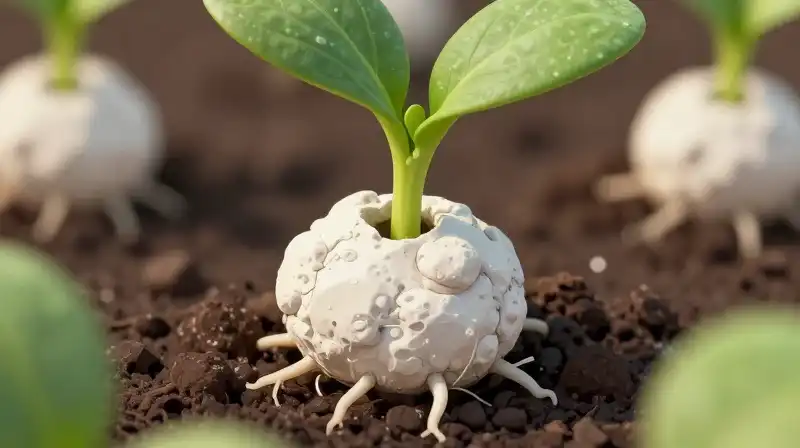 The effectiveness of Surround Kaolin Clay stems from its unique physical properties. When applied, the fine clay particles form a stable, protective film on the plant surface. This film serves two primary purposes in pest management:
- Physical Barrier: It prevents soft-bodied insects, such as aphids, mites, and whiteflies, from making direct contact with the plant tissue, thereby stopping damage before it occurs.
- Environmental Disruption: The coating can also alter the plant’s immediate microenvironment, making it less hospitable for certain pests and discouraging feeding.
Unlike chemical insecticides, Surround Kaolin Clay is an inorganic material that does not leave toxic residues and is considered a natural, mechanical form of control.
Determining the Proper Dosage for Surround Kaolin Clay
 The most frequently asked question regarding Surround Kaolin Clay is the required concentration. Because application methods (spray vs. soil application) and desired coverage areas vary, the exact amount per gallon can fluctuate. However, general guidance for standard spray applications is provided to ensure effective barrier formation.
The core principle is achieving complete coverage rather than simply reaching a minimum volume. For most pest control scenarios involving common crops and standard spray equipment, dosages typically fall within a specific range:
- Standard Spray Application: For general leaf and stem protection, initial rates are often found around 1 to 2 pounds of Surround Kaolin Clay per 20 gallons of water. This ratio is designed to create a visible, continuous film.
- Heavy Infestation Areas: If dealing with a more persistent pest issue, or applying to highly susceptible fruit, increasing the clay concentration within the established limits may be necessary, but testing coverage first is recommended.
- Specific Crop Requirements: Always refer to the manufacturer’s detailed product label, as specific crops (like sensitive fruit trees) may require different formulations or application timings.
Optimizing Application Techniques for Maximum Barrier Integrity
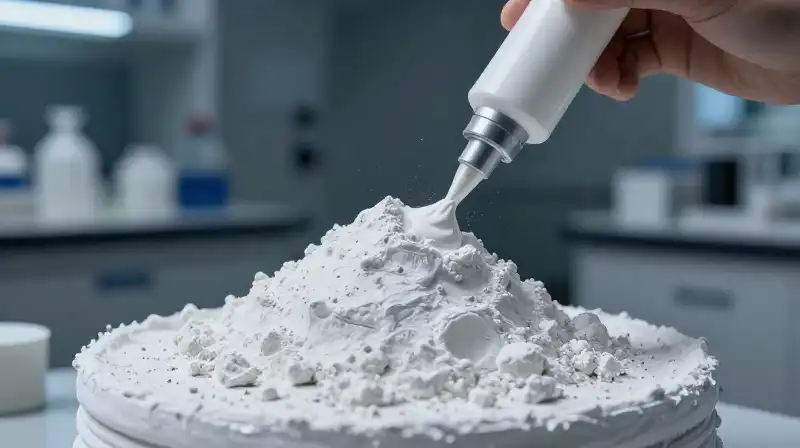 The efficacy of Surround Kaolin Clay is highly dependent on proper application technique. Simply mixing the product into water is the first step; ensuring the application delivers a uniform coating is the next crucial step.
Spray Application Best Practices
When using a sprayer, focus on thorough coverage:
- Full Coverage is Critical: Ensure the spray reaches all sides of the leaves, as pests frequently hide on the undersides.
- Timing Matters: Apply during conditions that minimize runoff. Early morning applications are often ideal, provided the weather is stable.
- Application Frequency: Because the protective film can degrade or wash away, applications may need to be repeated periodically, especially during periods of heavy rain or intense wind.
Usage in Garden and Orchard Settings
Surround Kaolin Clay is highly versatile. Beyond foliage, it can be used in strategic locations:
- Soil Barrier: Applying the clay around the base of certain plants can create a barrier that deters pests from climbing the stem or entering the root zone.
- Fruit Protection: For fruit trees, consistent application throughout the critical growth period helps protect developing fruit from insect damage and bird foraging.
Understanding Product Logistics and Procurement
When sourcing Surround Kaolin Clay, buyers should be aware of the fulfillment and purchasing details to manage expectations regarding shipping and returns.
Fulfillment and Tracking: Shipments are typically processed the same day or within one business day of the order. Tracking information is provided via email once the order is prepared. It is important to note that carriers (UPS or USPS) manage the actual transit time and may not proactively notify you of delays, so independent tracking is advised.
Return and Shipping Policies: Should a product need to be returned, strict conditions apply to maintain eligibility:
- The item must be in new, unused, and mint condition.
- It must be maintained in its original packaging, with the product seal remaining completely unbroken.
- The buyer is responsible for all return shipping costs and must ensure the package is securely packed and insured.
Please note that shipping damage, leaks, or failures in packaging during transit are typically outside the company’s responsibility. Before initiating external credit card disputes, contacting customer service directly is the advised first step.
Practical Precautions and Limits of Use
 While Surround Kaolin Clay is an effective physical deterrent, it is essential to understand its limitations to apply it correctly. It is not a replacement for integrated pest management (IPM) strategies.
Surround Kaolin Clay does not eliminate existing infestations; it prevents further damage. Therefore, if an area is already severely infested, combining the clay application with physical removal methods or targeted biological controls may be necessary.
Furthermore, while generally safe, always consult the product label to determine specific compatibility with your crops, as some plants or chemical treatments may react with kaolin clay. Because the protective film is physical, it is most effective when applied before peak pest activity occurs.
Summary of Effective Use
To successfully implement Surround Kaolin Clay for pest management, the focus must shift from a quick fix to a sustained barrier strategy. Success relies on applying the material at the manufacturer’s recommended ratio (typically 1-2 pounds per 20 gallons for spray application) and ensuring 100% coverage on all vulnerable plant parts. View the material as a preventive maintenance step against pests rather than a cure. Always check the label for specific crop instructions, manage the return process with extreme caution to preserve policy eligibility, and maintain a watchful eye on your crops, as the clay barrier is a preventative measure, not an eradication tool.
Frequently Asked Questions
How much surround kaolin clay per gallon of water?
For general leaf and stem protection, the standard dosage is typically 1 to 2 pounds of Surround Kaolin Clay per 20 gallons of water. This ratio is designed to create a visible, continuous film for effective barrier formation.
How to Apply Surround Kaolin Clay for Crop Protection
Prepare the Solution
Mix the Surround Kaolin Clay into water. Ensure the mixture is stable for application.
Determine Proper Dosage
Use general guidance of 1 to 2 pounds of clay per 20 gallons of water for standard spray applications, or consult the manufacturer's specific product label.
Achieve Full Coverage
When spraying, ensure the solution reaches all sides of the leaves, including the often-missed undersides, to prevent pests from accessing the plant tissue.
Optimize Application Timing
Apply the solution during conditions that minimize runoff, such as early morning applications, provided the weather remains stable.
Maintain the Barrier
Since the protective film can degrade or wash away, repeat applications periodically to maintain maximum barrier integrity, especially during periods of heavy rain or wind.
Implement Strategic Placement
For added protection, apply the clay around the base of certain plants to create a soil barrier or apply it consistently throughout the critical growth period of fruit trees.
Related Articles