
Ambrosia Flower: An Expert Guide to Control, Allergens, and Its Impact


Introduction
Ambrosia artemisiifolia, commonly known as common ragweed, is far more than just another field plant. It is a globally recognized invasive annual species whose presence poses significant challenges to agricultural productivity and human health. The distinctive structure of the Ambrosia flower makes it a focal point for two primary areas of concern: its role as a noxious weed that disrupts farming, and its potent production of allergens. Understanding the biology, impact, and effective management of this plant is crucial for anyone dealing with crop failure, persistent allergies, or environmental cleanup.
This guide serves as an expert overview, moving beyond simple definitions to provide practical, actionable intelligence on controlling Ambrosia artemisiifolia, understanding its allergen profile, and distinguishing fact from fiction regarding this highly influential plant.
The Allergy Mechanism: How Ambrosia Pollen Affect Human Health

The most immediate and widely reported effect of the Ambrosia flower is its role in the development of severe allergic reactions. This species is a major contributor to seasonal allergies, often colloquially referred to as hay fever.
Understanding the Pollen Lifecycle
The allergen is the plant’s wind-dispersed pollen. Ambrosia artemisiifolia is characterized by its prolific flowering period, typically peaking between July and October. During this prime bloom, the massive release of pollen is what drives the high incidence of allergic rhinitis and other respiratory issues in surrounding communities. Because the plant is airborne, exposure is inevitable when the plant is in bloom.
For individuals susceptible to plant allergies, the timing of the bloom is paramount. Recognizing the seasonal peak allows for proactive measures, such as limiting outdoor exposure or employing air filtration systems. It is important to note that while the pollen is a potent trigger, the actual severity of the reaction depends on an individual’s sensitivity.
Ecological and Agricultural Impact of the Weed
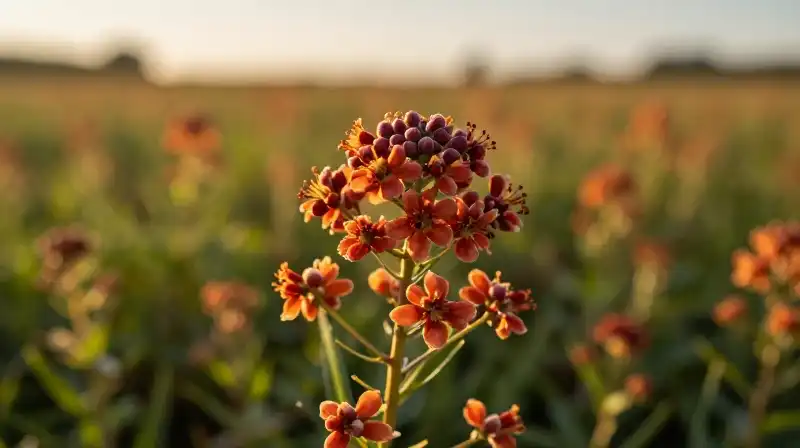
While the allergic response is the most famous consequence, the primary economic damage caused by Ambrosia artemisiifolia occurs in agricultural settings. It is a highly competitive weed, meaning it out-competes desirable crops for vital resources.
Disrupting Crop Yield
In commercial farming, ragweed acts as a severe competitor, particularly in crops like soybeans. It rapidly establishes itself and produces large amounts of biomass, effectively shading and consuming nutrients needed by the cash crop. This competition leads to significant yield reductions, making it a major agricultural threat. The plant’s ability to naturalize quickly and reproduce profusely ensures its persistent dominance in disturbed soils.
Beyond crop competition, Ambrosia artemisiifolia can play an unexpected role in environmental management. Due to its robust nature, it is sometimes utilized in specialized phytoremediation projects, where its ability to absorb heavy metals allows it to be used for cleaning contaminated soil, although this is a specialized, non-standard use.
Strategic Management: What Kills Ragweed Fast and Effectively
Controlling ragweed requires a multi-faceted approach because the plant is extremely resilient. There is no single “fast kill” method that is guaranteed to work every time; effectiveness depends heavily on the stage of the plant’s life cycle, the soil type, and the specific resources available.
1. Mechanical and Physical Control
Physical methods are often used early in the plant’s life cycle before seed set. Night tillage is a common technique where farmers cultivate fields at night. This method is generally effective because the plant has not yet finished setting seed, allowing the tilled action to disrupt the root system and prevent further propagation. This approach is labor-intensive but avoids chemical runoff.
2. Chemical Control (Herbicides)
Chemical intervention through targeted herbicides is often the fastest way to reduce large infestations. However, it requires careful selection. It is critical to note that reports have confirmed the existence of herbicide-resistant populations of *Ambrosia artemisiifolia*. Therefore, integrated pest management (IPM) strategies that rotate different chemical classes are necessary to mitigate resistance and ensure long-term control.
3. Biological and Rotational Strategies
For sustainable, long-term control, integration is key. This includes:
- Cover Crops: Planting suppressive crops, such as clover, during off-seasons helps manage the weed population and improves soil health.
- Biological Agents: Researchers are actively studying the introduction of specific insects and plant pathogens that naturally prey upon or weaken ragweed, offering a targeted, less disruptive path to control.
Addressing Common Myths and Misconceptions

Due to its name and appearance, several myths surround the Ambrosia flower. Addressing these is important for informed decision-making:
| Claim/Myth | Fact and Context |
|---|---|
| Ambrosia flower edible | The plant is toxic and should never be consumed. |
| Ambrosia flower benefits | Its primary value is environmental (phytoremediation) and medicinal (historical Native American use). It offers no inherent nutritional benefit. |
| Ambrosia flower tattoo | While it appears in various cultural contexts, there is no specific, inherent meaning associated with it. Its popular use is often based on general “nature” symbolism. |
| Ambrosia flower smell | The odor is generally described as typical of a flowering weed and is not typically associated with any specific, unique scent profile used for perfumes or other purposes. |
Practical Synthesis and Management Warnings
Managing Ambrosia artemisiifolia requires a proactive, holistic mindset, balancing ecological needs with economic necessity. Relying solely on a single control method is often insufficient, especially given the possibility of herbicide resistance.
When deciding on a strategy, consider the following:
- Timing is Critical: Mechanical interventions are most effective before the plant sets seed (late spring to early summer). Chemical application must be timed according to local regulations and the plant’s vulnerable growth phase.
- Integrated Approach: The most resilient farms and landowners utilize a mix of strategies—such as rotating chemical treatments with cover cropping and mechanical tillage—to suppress the weed population comprehensively.
- Safety First: When using chemical controls, always adhere strictly to safety guidelines and local environmental regulations to prevent runoff into local water systems.
The primary takeaway is that *Ambrosia artemisiifolia* is a persistent environmental fixture. Effective control demands vigilance, knowledge of its life cycle, and a willingness to employ integrated, multi-stage management techniques rather than a quick, single fix.
Frequently Asked Questions
What kills ragweed fast?
Chemical intervention through targeted herbicides is often the fastest way to reduce large infestations of ragweed. However, integrated pest management (IPM) strategies are necessary to mitigate herbicide-resistant populations.
How long does an Ambrosia flower bloom?
Ambrosia artemisiifolia is characterized by a prolific flowering period that typically peaks between July and October.
How to Effectively Control and Manage Ambrosia artemisiifolia
Assess the Plant's Life Cycle
Determine the current stage of the plant and the specific resources available (soil type, timing of bloom) to select the most appropriate control strategy.
Apply Mechanical Control
Use physical methods like night tillage early in the plant's life cycle, before seed set, to disrupt the root system and prevent propagation.
Implement Targeted Chemical Control
Utilize herbicides for large infestations, but employ integrated pest management (IPM) by rotating different chemical classes to mitigate resistance.
Utilize Biological and Rotational Strategies
For long-term control, plant suppressive cover crops (like clover) and study the introduction of specific biological agents (insects or pathogens) to weaken the weed.
Adopt an Integrated Management Approach
Avoid relying on a single method; combine mechanical, chemical, and biological strategies to suppress the weed population comprehensively.
Ensure Safety and Compliance
When using chemical controls, strictly adhere to safety guidelines and local environmental regulations to prevent chemical runoff into local water systems.
Related Articles