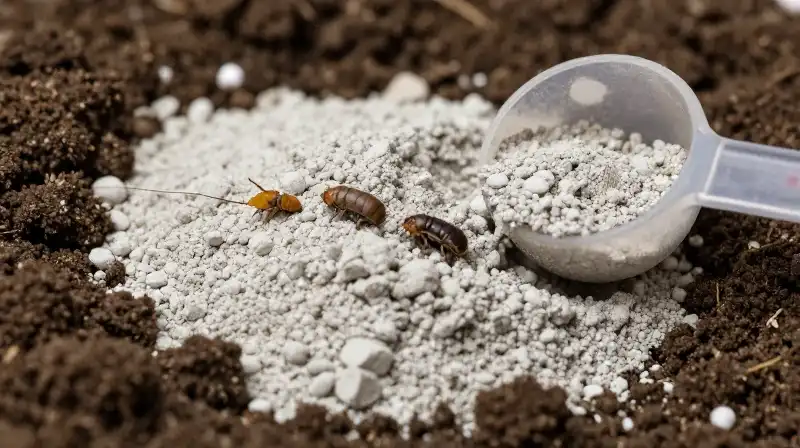

Live Host Nematodes: The Ultimate Guide to Soil Pest Control

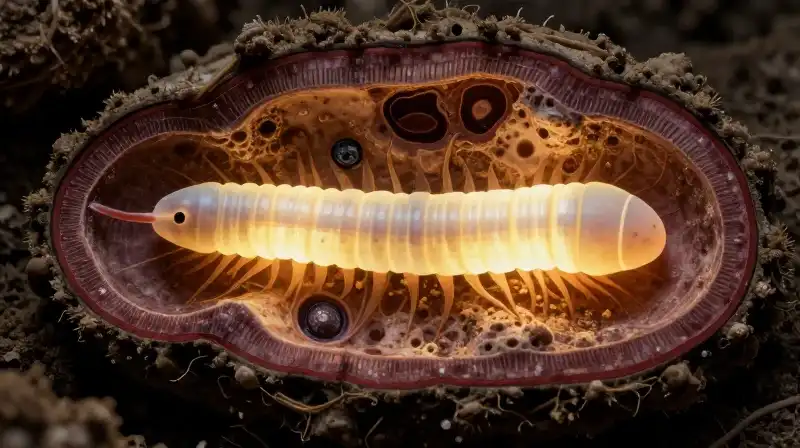
Introduction
Controlling pests in the soil, whether in a garden or a domestic environment, often forces homeowners to choose between chemical dependency and effective biological methods. Beneficial nematodes offer a powerful, eco-friendly alternative. These microscopic organisms are living pest control agents that specifically target the vulnerable young stages of insects—larvae, grubs, nymphs, and pupae—utilizing the soil itself as their hunting ground. If you are seeking a sustainable way to manage pests like garden larvae, or looking into solutions like nematodes for fleas, understanding the science and practical application of these nematodes is key to successful, long-term control.
The Mechanism of Action: How Nematodes Hunt and Control Pests
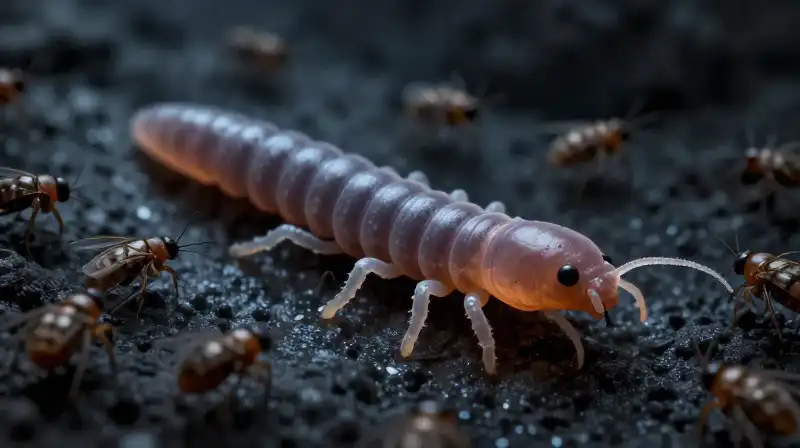
Beneficial nematodes operate as highly specialized biological agents. They do not simply poison the pest; they actively seek it out. The life cycle begins with eggs that hatch into non-feeding juveniles. These juveniles eventually molt into the highly mobile, infective juveniles capable of hunting. When an infective juvenile locates a pest—such as an insect larva in the soil—it enters the host. Inside, the nematode releases specialized bacteria that quickly lead to the insect’s death. Following this process, the nematodes continue their life cycle by consuming the pest, allowing the subsequent generations to develop, mate, and produce more eggs, leading to continuous population control.
Understanding the “Live Host” Advantage
A critical difference in quality lies in how the nematodes are produced. Most commercial products use artificial diets in controlled incubators. However, nematodes produced using a “Live Host” method are reared on live insect pests. This approach is cited as a major factor contributing to higher efficacy and action speed, as the nematodes are optimized to seek and infect real, living prey, ensuring they are highly effective when applied to a real infestation.
Practical Application: Utilizing Nematodes for Soil Management
Applying beneficial nematodes is a straightforward process designed for easy integration into routine gardening or pest treatment. They are typically delivered as a quick-dissolving release powder, making them simple to apply. However, successful application depends heavily on soil conditions.
- Soil Moisture: Nematodes require adequate soil moisture to move and locate their prey. Applying them to bone-dry soil will significantly limit their movement and effectiveness.
- Application Rate: The recommended application rate for general soil pest control is 1,000,000 nematodes per 2,000 square feet (equivalent to 500 per square foot).
- Scope: They are effective for both outdoor garden pest management and for indoor soil treatments where larvae or grubs are present.
Specific Considerations for Flea Control
While beneficial nematodes are primarily known for soil pest control (grubs, larvae), they are also utilized in certain pest management strategies, including those related to fleas. When searching for nematodes for fleas or investigating nematodes for pets, it is essential to understand that their effectiveness relies on their ability to reach the pest’s life stage. They are a biological control method and require targeted application near the infested area to reach the larvae and other early life stages of the insect.
Nematodes vs. Chemical Controls: Long-Term Pest Management
Choosing beneficial nematodes over conventional chemical treatments involves a fundamental shift in pest management philosophy: from periodic killing to sustained biological reproduction.
| Feature | Beneficial Nematodes | Chemical Insecticides |
|---|---|---|
| Primary Mechanism | Biological reproduction and infection | Chemical poisoning and rapid kill |
| Control Period | Long-term (self-sustaining population) | Short-term (requires periodic reapplication) |
| Environmental Safety | Safe for people, pets, and environment | Potential residues and ecosystem impact |
| Application Rates | Generally lower required rates | Often higher dosage required |
Chemical treatments often focus on a 72-hour kill period, providing temporary relief. In contrast, nematodes establish a persistent presence. The long-term success of a biological control method relies on the sustained presence and successful reproduction of the nematodes within the soil ecosystem.
Selecting the Right Nematode Product and Avoiding Errors
Not all nematodes are created equal. When looking at best nematodes for fleas or general soil treatments, prioritize the quality of the live stock over the price.
Evaluating Quality and Efficacy
When deciding which product to purchase, consider these quality signals:
- Source Method: Look for products that explicitly state they use the “Live Host” method, as this indicates a higher potential for immediate and effective action.
- Form: The product should be a quick-dissolving powder for ease of use.
- Adaptability: Ensure the product is designed to function across various common weather conditions and temperatures relevant to your region.
Frequent Errors in Application
To prevent treatment failure, avoid these common mistakes:
- Applying the product to dry soil.
- Assuming a single application is sufficient without monitoring the environment (moisture/temp).
- Using nematodes exclusively for pests they do not target; they are specific and effective against certain life stages.
Long-Term Strategy and Synthesis
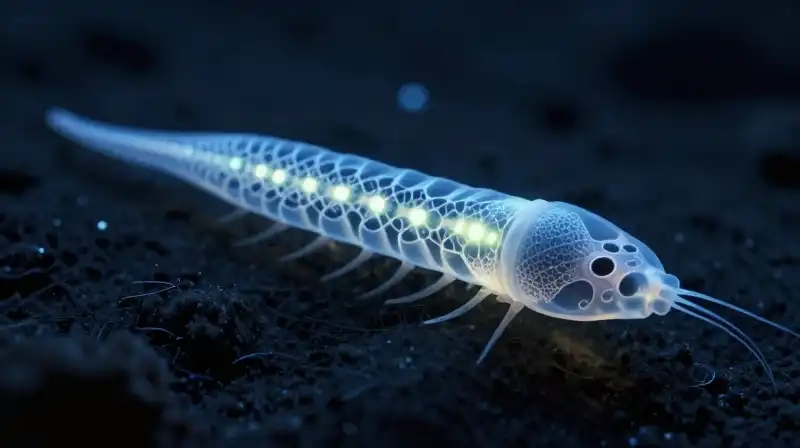
Effective control using beneficial nematodes is not a one-time fix; it is a sustained ecological strategy. While conventional kill rates are often measured in hours, the true value of these nematodes lies in their reproductive cycle. By deploying a biological control, you are introducing a self-sustaining system into your soil.
For optimal results, integrate nematode applications into your ongoing soil health maintenance. By choosing high-quality, Live Host products and ensuring proper application in moist soil, you leverage a sophisticated biological tool to maintain a pest-resistant environment, providing a sustainable alternative to chemical inputs.
How to Use Beneficial Nematodes for Soil Pest Control
Select the Right Product
Choose a high-quality nematode product that utilizes the "Live Host" method and comes in a quick-dissolving powder form to ensure immediate and effective action.
Prepare the Soil
Ensure the soil has adequate moisture, as beneficial nematodes require moisture to effectively move and locate insect prey.
Apply the Nematodes
Apply the product at the recommended rate (typically 1,000,000 nematodes per 2,000 square feet) within the targeted soil area.
Monitor and Maintain
Avoid single-application reliance; instead, monitor environmental conditions (moisture and temperature) and integrate nematode application into a long-term soil health strategy.
Related Articles