
Indoor

Complete care guides for houseplants, succulents, and cacti. Learn about light requirements, watering schedules, propagation, and keeping your indoor jungle thriving.
Moon Valley Pilea Care: A Complete Guide to Growth, Size, and Care
Published: 2026-06-12
Jennifer Hayes Jennifer Hayes
Master Moon Valley Pilea care. Learn optimal light needs, size, watering schedules, and humidity tips to keep your tropical plant thriving.
901 words
|
5 minutes
Cover Image of the Post
How to Permanently Kill Yucca Plants: Eradication Guide
Published: 2026-06-08
Jennifer Hayes Jennifer Hayes
Learn how to permanently kill yucca plants using mechanical digging, natural waterlogging methods, and powerful herbicides like Triclopyr.
1096 words
|
5 minutes
Cover Image of the Post
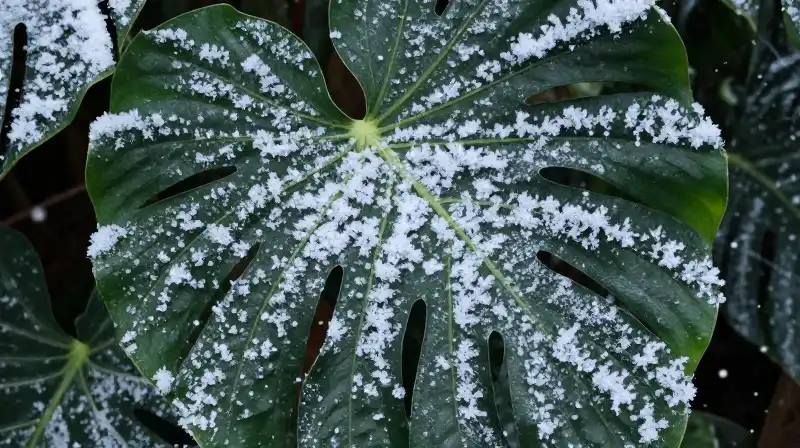
Troubleshooting Monstera Leaves Curling: Causes and Solutions
Published: 2026-06-05
Jennifer Hayes Jennifer Hayes
Troubleshooting monstera leaves curling? Identify the exact cause of the stress—water, light, humidity, or pests—with our complete guide to solutions.
1028 words
|
5 minutes
Cover Image of the Post
Huernia Zebrina: Guide to Growing the Lifesaver Cactus
Published: 2026-06-02
Jennifer Hayes Jennifer Hayes
Master the care of Huernia zebrina. This guide details optimal light, drainage, and winter dormancy for the unique Lifesaver Cactus.
899 words
|
4 minutes
Cover Image of the Post

Frequently Asked Questions

How often should I water my indoor plants?

It depends on the plant type, pot size, and season. Most houseplants prefer the top inch of soil to dry out between waterings. Succulents and cacti need even less water.

What are the best low-light indoor plants?

Snake plants, ZZ plants, pothos, peace lilies, and cast-iron plants thrive in low-light conditions. They're perfect for north-facing rooms or offices.

How do I propagate succulents?

Succulents propagate easily from leaves or stem cuttings. Let the cutting callus for 1-2 days, then place on well-draining soil. Water sparingly until roots develop.

Why are my indoor plant leaves turning yellow?

Yellow leaves often indicate overwatering, but can also signal nutrient deficiency, insufficient light, or natural aging. Check soil moisture first and adjust accordingly.