Diagnosing a Dying Plant: Causes, Symptoms, and How to Save It

Introduction
When a plant begins to wilt or lose its vibrancy, it is often alarming for the owner. However, diagnosing a dying plant rarely reveals inherent weakness. Instead, most cases point toward an environmental mismatch—a discrepancy between the plant’s specific needs and the conditions of its environment.
To determine the proper recovery steps, it is first necessary to move past the general appearance of decline and conduct a specific diagnosis. This guide provides a systematic approach to identifying the root cause—whether it is a watering issue, pest infestation, light deficiency, or poor soil structure—and outlines actionable methods to successfully revive your struggling foliage.
The First Check: Distinguishing Water-Related Stress
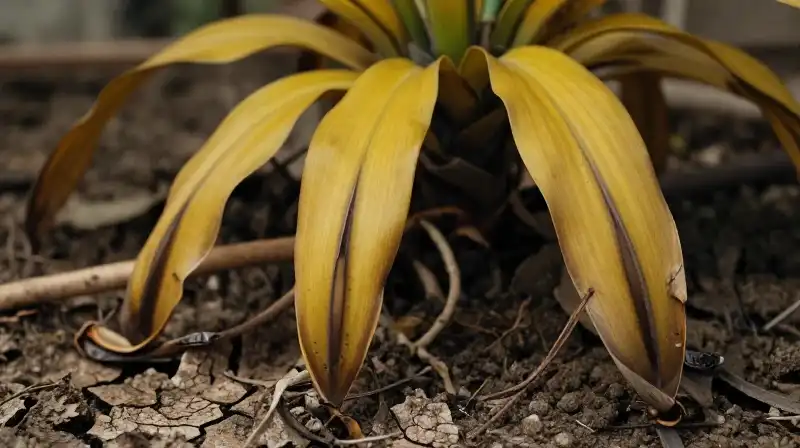
Most plant deaths are preventable and tied directly to water management. The “how much” and “when” of watering are crucial, and signs of stress can be drastically different depending on whether the plant is suffocating or desiccating.
Symptoms of Root Suffocation (Overwatering)
Overwatering is arguably the most common fatal mistake. When soil remains constantly saturated, the pores clog and the roots are deprived of necessary oxygen. This condition leads to root rot. Signs include mushy, yellow stems; widespread leaf discoloration; and a distinctly foul, earthy odor coming from the soil.
- Actionable Check: Lift the pot and examine the roots. Healthy roots should be firm and white; rotten roots will be black, mushy, and may fall apart with a gentle touch.
- The Solution: Immediate intervention requires allowing the soil to completely dry out, trimming away any visible rot, and ensuring the pot has adequate drainage holes.
Symptoms of Desiccation (Underwatering)
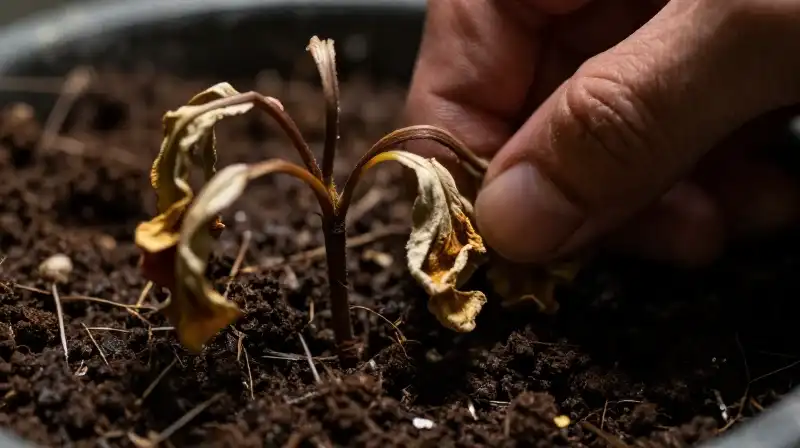
Conversely, consistent lack of moisture causes the plant to lose its internal turgor pressure. The plant will physically shrink as it loses water content.
- Leaves may curl inward or droop heavily.
- The edges of the leaves typically turn brown and crispy.
- The entire plant may exhibit irreversible shriveling if moisture levels remain low for too long.
Diagnosing Environmental Stress: Light and Temperature
A plant’s photosynthetic efficiency and structural integrity are highly dependent on its surroundings. Adjustments in lighting or temperature can cause specific types of damage that mimic dehydration or nutrient loss.
Light Intensity Mismatches
Light requirements are specific to the species. If a plant is not receiving enough light, it will stretch, grow rapidly with elongated internodes, and become pale—a condition known as “legginess.” Conversely, placing a light-sensitive plant too close to a window or in direct, intense sun can cause “leaf scorch.” Scorch presents as small, bleached white or crispy, dark brown patches on the leaves, indicating direct heat damage.
Temperature and Draft Sensitivity
While many plants prefer warmth, they are highly sensitive to rapid temperature fluctuations or severe drafts. Constant exposure to cold drafts from open windows or sudden bursts of hot air from vents can cause leaves to drop prematurely or exhibit yellowing, even if the soil is perfectly moist.
Identifying Infestation and Nutrient Depletion
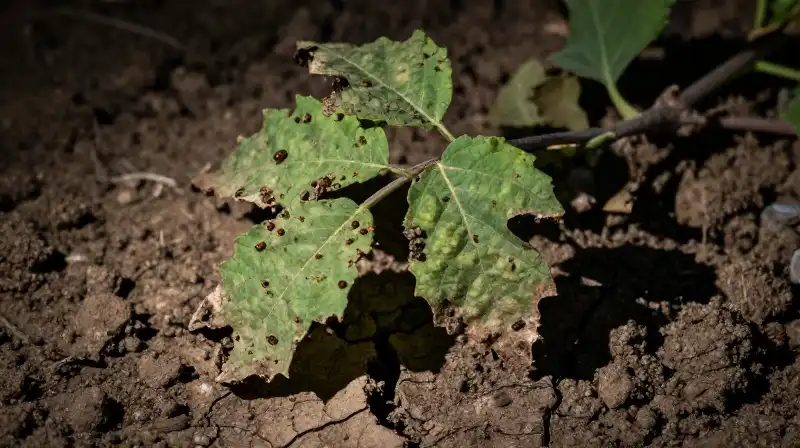
Pests and nutrient deficiencies often present with symptoms that are easily mistaken for natural aging or thirst. A proactive, close inspection of the plant’s anatomy is key to spotting these invaders.
Signs of Pest Infestation
Visible pests or their residue are clear indicators of an infestation. These range from microscopic aphids leaving sticky residue to spider mites that produce fine, visible webbing on the undersides of leaves.
- Webbing/Sticky residue: Points toward spiders or scale.
- Small white or green insects: Suggest common aphids or mealybugs.
Nutrient Deficiency and Soil Health
Yellowing leaves (chlorosis) can be caused by poor soil quality, poor watering, or nutrient deficiency. If the soil is heavily compacted or is nutrient-poor, the plant cannot efficiently absorb essential minerals, causing stunts in growth and yellowing of older foliage.
Before assuming a deficiency, ensure the soil is well-aerated and includes high-quality, well-draining compost. If the soil is dense, consider gently loosening the top layer.
Actionable Plant Recovery: How to Save a Dying Plant
Once the cause of the decline is identified, swift and correct action is required. Recovery is less about generalized care and more about targeted remediation.
Correction Protocols Based on Cause
To successfully resuscitate a plant, follow these tailored steps:
| Suspected Cause | Immediate Corrective Action |
|---|---|
| Overwatering/Rot | Trim rotted roots. Repot into fresh, well-draining soil and reduce subsequent watering frequency. |
| Pests | Quarantine the plant. Wipe down leaves with soapy water or apply neem oil, repeating treatment cycles. |
| Low Light | Relocate the plant to a location offering appropriate intensity. Use supplemental LED grow lights if natural light is insufficient. |
| Dry Air/Tropical Plants | Increase humidity by pebble tray, grouping, or small humidifier. |
The general advice for maintenance, regardless of the initial problem, involves regular cleaning of the leaves (to allow for maximum photosynthesis) and rotating the pots to ensure even growth and light exposure.
The Final Diagnostic Checklist for Plant Health
Before concluding that a plant is unsavable, run through this sequence of checks. Solving the first major problem often resolves subsequent symptoms.
- Examine the Soil and Roots: Is the soil excessively wet? Are the roots white and firm? If not, the watering or drainage is the primary culprit.
- Test the Watering Technique: Apply the “finger test.” Insert your finger one inch deep into the soil. If it feels damp, do not water again; wait.
- Inspect the Leaves: Are the brown edges or yellow patches uniform, or concentrated? Uniform yellowing suggests nutrient/water, while concentrated brown spots suggest direct sun scorch.
- Look for Invaders: Check the underside of leaves and joints for any sticky residue or visible bugs.
By systematically isolating these environmental factors, you transition from guessing to precision, significantly increasing the chances of turning a struggling plant back into a thriving one.
Explore more: Triquetra Meaning: Unpacking the Symbol of the Celtic Knot T
How to Diagnose and Rescue a Struggling Plant
Examine the Soil and Roots
Check the soil to determine if it is excessively wet and lift the pot to ensure the roots are white and firm. If the soil is saturated or the roots are black and mushy, the primary problem is watering or drainage.
Test the Watering Technique
Perform the 'finger test' by inserting your finger one inch deep into the soil. If the soil feels damp, do not water again; wait until it feels dry to the touch.
Inspect the Leaves
Observe whether yellow patches or brown edges are uniform across the plant (suggestive of nutrients/water) or if they are concentrated and bleached, which might indicate direct sun scorch.
Look for Invaders
Conduct a close inspection of the undersides of leaves and joints to identify any sticky residue or visible bugs, indicating a pest infestation.
Related Articles