Arrowhead Plant Care: A Guide to Light, Water, and Toxicity

Introduction
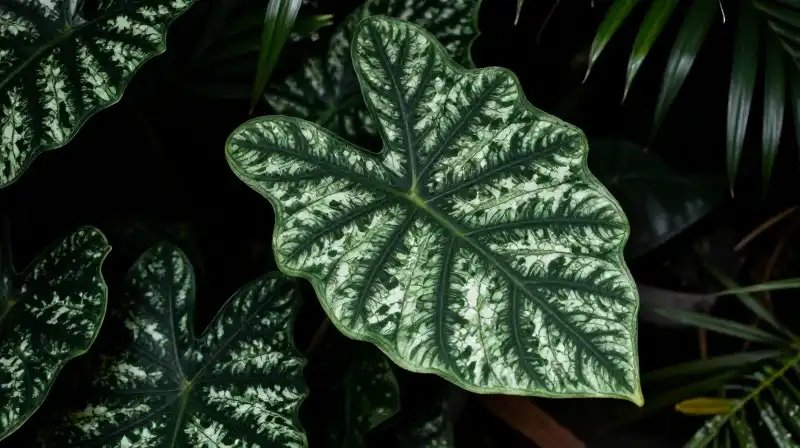
The Arrowhead plant, scientifically classified as Syngonium podophyllum, is a striking perennial native to the tropical rain forests of Central and South America. Known for its distinctive spade-like foliage and beautiful variegation, it is one of the most popular choices for indoor plant enthusiasts. Successfully cultivating an Arrowhead plant requires understanding its specific needs regarding light, hydration, and environmental conditions. This guide provides detailed instruction on Arrowhead plant care, focusing on establishing a healthy, thriving specimen and proactively addressing common care challenges.
Optimal Light Requirements for Arrowhead Plants
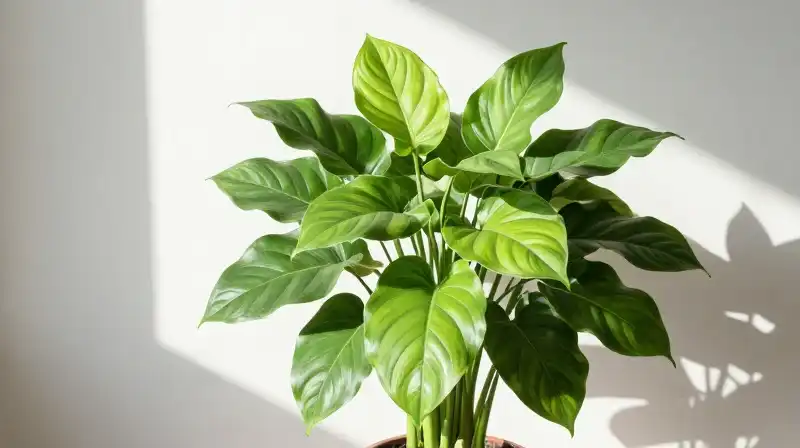
While Arrowhead plants tolerate lower light conditions, their aesthetic appeal—the vibrant color and variegation of their leaves—requires adequate illumination. The primary rule for Arrowhead plant care concerning light is to ensure it receives bright, indirect sunlight.
Placing the plant near a well-filtered window is usually ideal. Direct, intense sun can severely damage the leaves, causing them to become bleached, scorched, or appear pale and yellowed. For maximum growth and color intensity, ensure your space is well-lit, but always filter or angle the light to prevent scorching. In situations where light is too low, the plant may become leggy or exhibit stunted growth.
Mastering Watering and Humidity Needs
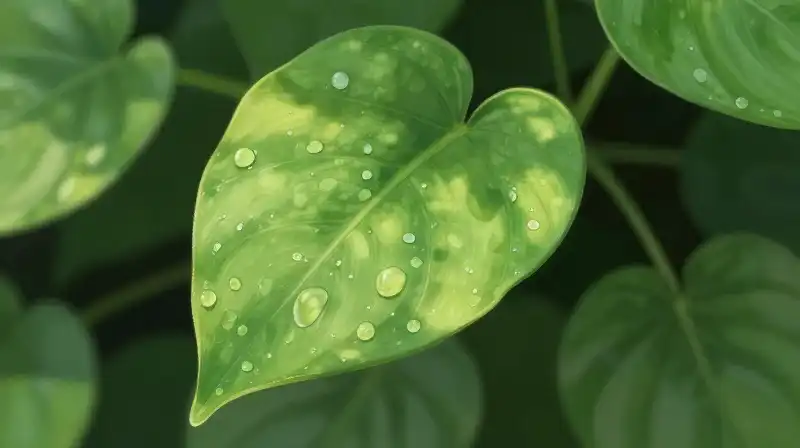
Proper hydration is crucial for Arrowhead plants. The plant requires consistency, but this does not mean frequent saturation. The best practice for watering Arrowhead plants is to wait until the top half of the soil has thoroughly dried out before delivering water again.
This waiting period prevents root rot, a common issue in over-watered houseplants. However, the frequency of watering must be adjusted based on the environment: if the plant is exposed to high levels of light, it will naturally use more moisture, meaning you should increase the frequency of your watering routine. Additionally, while the Arrowhead plant can adapt to average household humidity, it truly thrives in higher humidity. To simulate its tropical origins, consider placing a pebble tray beneath the pot or utilizing a dedicated humidifier.
Environmental Conditions: Temperature and Growth
Arrowhead plants prefer conditions consistent with typical home environments. The ideal temperature range falls between 65°F and 75°F. Consistent temperatures are important; avoid sudden drafts from air conditioning units or heat vents.
To maintain a robust, bushy, and compact growth pattern, strategic pruning is necessary. As the plant develops climbing stems, these should be cut back to encourage lateral growth and prevent the plant from becoming too sparse or overgrown in its vertical reach.
Diagnosing and Addressing Common Arrowhead Plant Issues
Even with diligent care, issues can arise. Recognizing the signs of distress early is key to effective arrowhead plant care. Here is a guide to identifying and treating common problems:
- Yellow or Pale Leaves: This is often an indicator of excessive light exposure, which can bleach the variegation, or sometimes a sign of insufficient light. Adjust the plant’s position accordingly.
- Brown, Crispy Leaf Tips or Edges: This typically points to under-watering or a deficiency in humidity. Ensure the soil is moist enough (following the top-soil-dry rule) and that your local environment provides enough humidity.
- Wilting Appearance: If the plant suddenly looks limp, it is most likely dehydrated. Water thoroughly, allowing the excess to drain completely from the pot, then allow the soil to dry again.
Toxicity and Safety Precautions
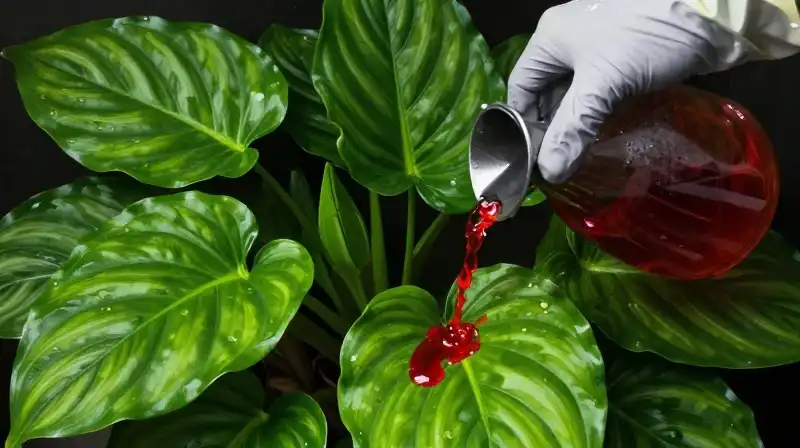
It is vital to note that the Arrowhead plant contains a toxic sap. If the sap contacts the skin, it can cause irritation. More seriously, ingestion by humans or pets can lead to mouth burning or other adverse reactions. Due to this inherent toxicity, strict safety protocols must be followed. The Arrowhead plant must be kept securely out of the reach and sight of children and household pets.
Priorities for Thriving Arrowhead Plant Care
Successfully integrating an Arrowhead into your home requires balancing its need for brightness with the avoidance of direct solar damage. If you are optimizing your setup, focus on these three priorities:
- Light Quality: Always prioritize bright, indirect light over direct sunlight to maintain leaf color and prevent burning.
- Consistent Moisture Cycle: Do not water on a schedule; water when the top half of the soil is dry, adjusting frequency based on light intensity.
- Safety and Environment: Ensure the plant is placed in a safe area away from children and pets, and enhance the atmosphere with supplemental humidity.
Explore more: The Three Horns of Odin: Mythological Origins and Historical
How to Care for an Arrowhead Plant
Select Optimal Light
Place the plant in a location that receives bright, indirect sunlight to maintain its color and variegation; avoid placing it in direct, intense sun to prevent scorching.
Manage Watering Consistency
Water the plant only after the top half of the soil has thoroughly dried out to prevent root rot, adjusting the frequency based on the plant's light exposure.
Control Environmental Conditions
Maintain a consistent temperature between 65°F and 75°F and simulate tropical humidity by using a dedicated humidifier or a pebble tray.
Maintain Growth through Pruning
Periodically prune climbing stems to encourage lateral growth and maintain a robust, compact plant structure.
Monitor for Health Issues
Identify signs of distress—such as yellowing (too much or too little light) or crispy edges (low humidity or under-watering)—and adjust care accordingly.
Ensure Safety
Keep the Arrowhead plant securely out of the reach of children and household pets due to its toxic sap.
Related Articles