Leaf Spot Fungicide Guide: Effective Treatment and Disease Prevention

Introduction
Leaf spot is a prevalent and often challenging fungal disease affecting ornamental crops, leading to reduced aesthetics and yield. Because the symptoms can look similar across different pathogens, selecting the appropriate treatment requires more than simply identifying the presence of spots; effective management relies on accurate diagnosis and strategic intervention. A successful leaf spot fungicide guide must balance chemical efficacy with cultural prevention, as most fungal infections thrive under specific environmental conditions. This guide outlines the critical steps—from identifying the causative agent to choosing between chemical, biological, or cultural controls—to manage leaf spot effectively and prevent future outbreaks.
Identifying the Culprit: Pathogen-Specific Symptoms
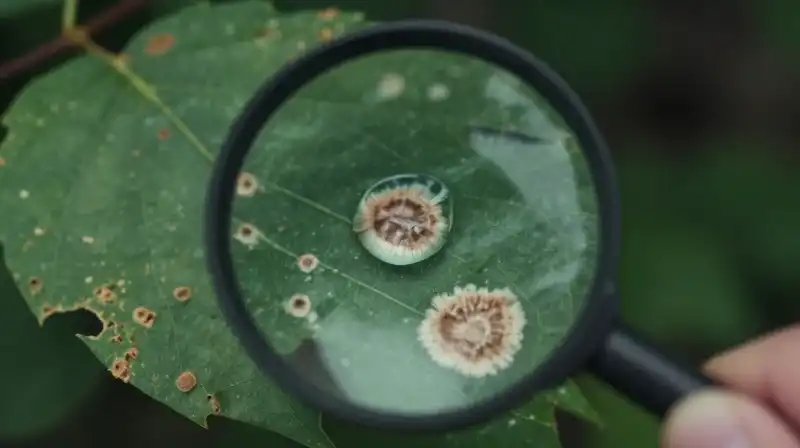 Before applying any product, determining the specific pathogen is crucial for choosing the right fungicide. Different fungal species present unique symptoms and respond differently to treatments. Misdiagnosis can lead to ineffective chemical use or continued spread.
The symptoms generally appear as small, water-soaked lesions on the older, lower leaves, but the appearance and spread vary:
- Alternaria alternata: Often characterized by lesions that start brown and become sunken, frequently displaying a distinct yellow halo. It spreads readily through moisture and infected plant parts.
- Cercospora: These spots typically begin as light green, sunken areas that subsequently darken to gray or black, sometimes bordered by a purplish hue. These can be challenging to differentiate from other leaf spots.
- Myrothecium roridum: A soil-borne threat, this pathogen causes systemic issues like stunting and chlorosis (yellowing), along with target-like brown spots on the leaves. Management often requires addressing soil health.
- Black Spot (e.g., on roses): This is often linked to cool, moist weather and manifests as distinct black lesions.
While accurate identification is often best confirmed by a plant pathology lab, recognizing these distinct patterns helps prioritize control measures. For general management, most growers rely on broad-spectrum fungicides, but knowing the potential pathogen helps limit product selection.
Choosing a Control Strategy: Chemical vs. Biological vs. Cultural
No single method is universally effective for every infestation. A complete management plan utilizes a tiered approach, integrating preventative cultural practices with targeted interventions.
Chemical Control (Targeted Fungicides)
Chemical fungicides are the fastest and often most reliable way to control established leaf spot diseases in ornamentals. Chemical selection must be informed by the target pathogen and the need to mitigate the risk of fungicide resistance.
Established active ingredients frequently used for managing diverse fungal leaf spots include:
- Chlorothalonil: A broad-spectrum fungicide known for its reliability in controlling various general fungal threats.
- Mancozeb: Another conventional fungicide used to provide preventative and curative action against numerous leaf spot agents.
- Modern Chemistries: Groupings like strobilurins and triazoles offer different modes of action, which is critical for reducing the likelihood of resistance developing in the fungal populations.
It is essential that the chosen product is specifically labeled for the disease and the plant species you are treating. Always adhere strictly to application rates and safety guidelines.
Biological Control (Natural Solutions)
Biological treatments offer a more sustainable and environmentally friendlier option. These agents utilize beneficial organisms to suppress fungal growth.
Agents like specific Trichoderma species or commercial products like Serenade work by competing with, or directly attacking, the pathogenic fungi. Biological controls are excellent for preventative maintenance and when seeking organic alternatives, but they often require consistent application and are generally less immediate in controlling severe, established infections compared to synthetic chemistry.
Cultural Practices and Prevention
Prevention is significantly more cost-effective than reaction. Cultural practices aim to create an environment less hospitable to fungal spores.
Effective preventative measures include:
- Minimize Overhead Irrigation: Watering plants at the base reduces the amount of time leaves remain wet, drastically slowing the germination of fungal spores.
- Improve Airflow: Ensure adequate spacing between plants and prune dense foliage to allow for better circulation.
- Manage Environmental Triggers: Avoid conditions of high humidity, extreme temperature shifts, and plant injury, all of which favor fungal proliferation.
Addressing Specific Pathogen Concerns and Environmental Limits
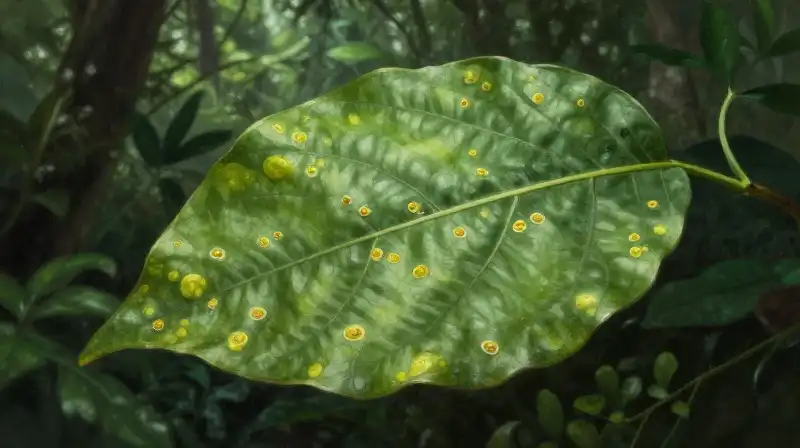 Different diseases have different requirements for their development. Understanding these triggers allows for predictive management.
The Role of Environment and Temperature
Fungal success is often determined by the microclimate. For instance, Myrothecium roridum thrives in high humidity and specific temperatures (around 65–68°F). Conversely, Alternaria can be developed through periods of temperature extremes—either very high or very low. High humidity and temperatures are consistent triggers for almost all fungal leaf spots.
Even in a mild climate, restricted airflow can exacerbate disease, turning a minor spot into a significant problem. Regular monitoring for wet foliage and poor air circulation is essential in all growing environments.
Managing Resistance and Treatment Rotation
A critical concern in applying fungicide is the development of resistant fungal strains. Because many leaf spot diseases utilize broad-spectrum fungicides, constant use of the same chemical class can allow the pathogen to evolve. To counter this, treatment rotation is mandatory. If using a triazole this season, consider switching to a strobilurin in the following year, or vice versa, to maintain efficacy.
This strategic rotation ensures that the fungicide remains effective against the prevailing pathogen, extending the usefulness of chemical control over time.
Practical Decision-Making Criteria for Fungicide Selection
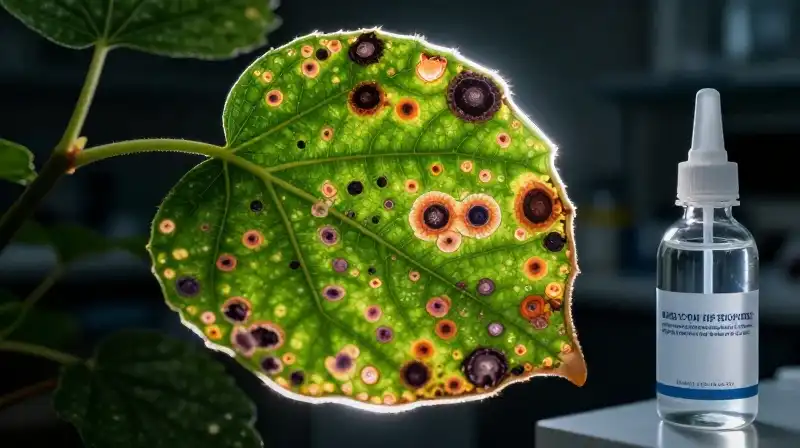 When facing a leaf spot problem, the decision of “which fungicide” depends on the urgency, the severity of the damage, and the goals of the growing operation (e.g., organic certification vs. rapid yield).
Use the following criteria to decide on the best course of action:
- Initial Symptoms (Prevention): If spots are small, just appearing, and humidity is high, cultural practices (less overhead water, increased spacing) combined with a preventative biological treatment (e.g., Serenade) are often sufficient.
- Moderate Infestation (Control): If spots are widespread but not yet causing severe plant decline, a targeted fungicide application (like chlorothalonil) is appropriate. Focus on early detection for optimal cost-effectiveness.
- Severe/Systemic Infestation (Treatment): If the plant is showing chlorosis, stunting, or extensive necrosis, and the pathogen is suspected to be deep-rooted (like Myrothecium), intensive fungicide applications combined with improved drainage or soil remediation are required.
- Unknown Diagnosis: If symptoms are ambiguous or highly unusual, the most reliable method remains obtaining a formal diagnosis from a plant pathology lab before committing to any expensive or broad treatment protocol.
Ultimately, while fungicides are recognized as the primary and most direct method for controlling many fungal leaf spots in ornamentals, they are most effective when paired with rigorous cultural discipline. Prevention is the most economical form of disease control.
How to Manage Leaf Spot Fungus
Initial Symptoms (Prevention)
If spots are small, just appearing, and humidity is high, cultural practices (less overhead water, increased spacing) combined with a preventative biological treatment (e.g., Serenade) are often sufficient.
Moderate Infestation (Control)
If spots are widespread but not yet causing severe plant decline, a targeted fungicide application (like chlorothalonil) is appropriate, focusing on early detection.
Severe or Systemic Infestation (Treatment)
If the plant is showing chlorosis, stunting, or extensive necrosis, apply intensive fungicide treatments combined with improved drainage or soil remediation.
Unknown Diagnosis
If symptoms are ambiguous or highly unusual, the most reliable method is to obtain a formal diagnosis from a plant pathology lab before committing to any expensive or broad treatment protocol.
Related Articles