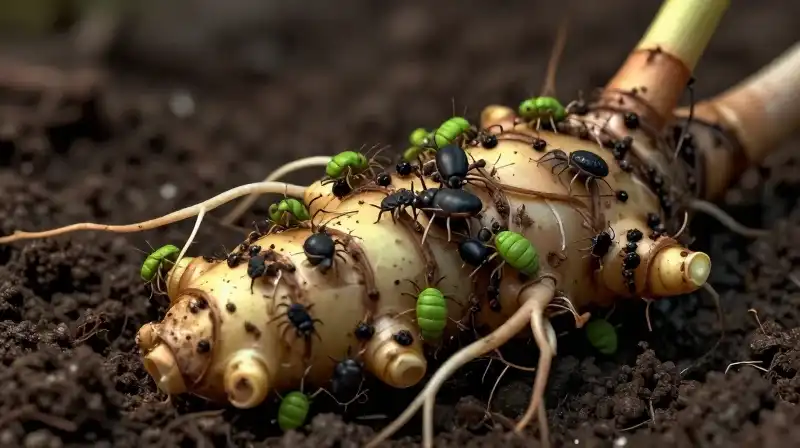

Leaf Miner Treatment: Effective Strategies to Control Damage

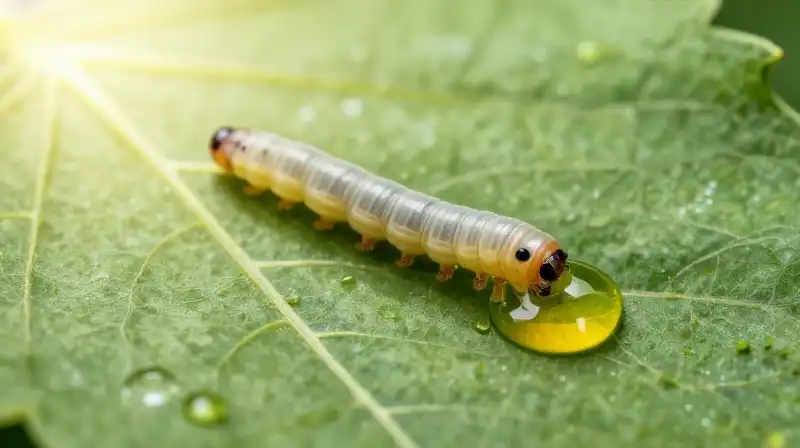
Introduction
Leafminers are notorious garden pests whose larvae burrow into plant tissues, creating translucent mines that reduce the quality and appearance of edible crops. Effective leaf miner treatment requires a strategic approach that targets the pest’s entire lifecycle rather than merely attempting to remove the visible damage. Because the larvae live hidden within the interior of the leaves, traditional methods like physical picking are largely ineffective. Successful control depends on understanding the pest’s cycle and deploying a combination of cultural, physical, and chemical barriers at the right time.
Understanding the Life Cycle and Damage
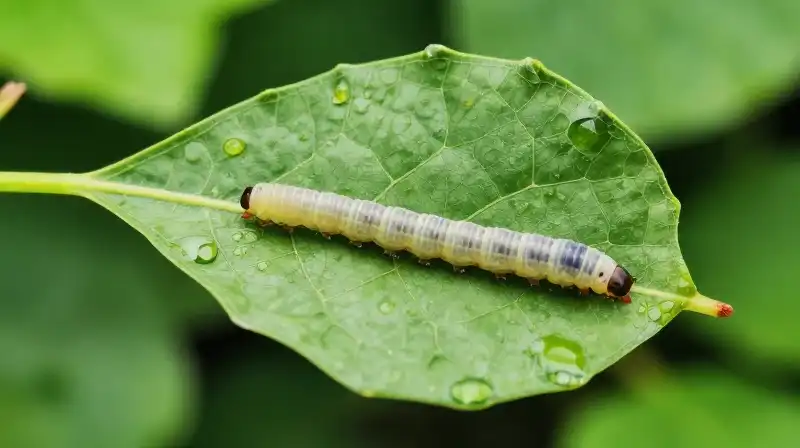 To treat leafminers effectively, one must first understand the pest’s dual presence: the visible damage and the hidden larva. Leafminer damage, typically appearing as squiggly serpentine mines or irregular blotches, is the result of the larval stage feeding from within the leaf’s mesophyll.
- The Larva (The Hidden Pest): The larvae are the primary destructive stage, feeding inside the tissue. Direct physical removal is nearly impossible without destroying the plant.
- The Adult (The Source): The adult leafminer flies emerge in the spring and are responsible for laying eggs on the host plants. Eliminating these adults is crucial for breaking the cycle.
Effective leaf miner treatment must address both stages. Cultural practices help mitigate future outbreaks, while targeted insecticides address current populations.
Proactive Management: Cultural and Physical Control
Before introducing chemical treatments, preventative and physical measures provide the best non-disruptive leaf miner treatment home remedy and long-term protection.
Maintaining Clean and Healthful Soil
Cultural control focuses on reducing the pest habitat and population.
- Maintain garden cleanliness: Regularly remove and destroy fallen leaves or organic matter where pupae or overwintering adults might shelter.
- Crop rotation: Avoid planting the same vulnerable crops in the same location year after year to disrupt the pest’s localized breeding cycles.
- Clean up affected foliage: For localized infestations, destroy heavily mined leaves early. This limits the feeding area and prevents the larvae from maturing and laying eggs.
Using Physical Barriers
For young, vulnerable plants, physical barriers can keep the adult leafminer flies away from the plants and their egg-laying sites. Fine-meshed netting is a highly effective, non-toxic method. However, this barrier must be installed over the plants before the adult flies begin their active spring season, as installation after the initial infestation is often too late.
Chemical Strategies: Choosing the Right Insecticide
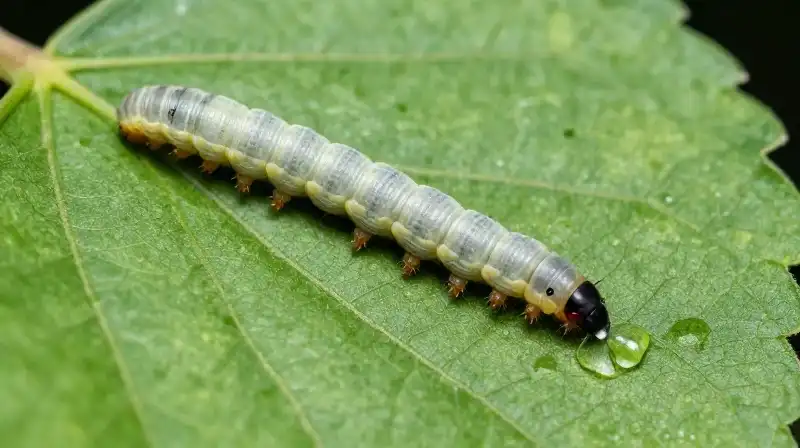 When the infestation is active, the strategic use of pesticides is necessary. The choice of chemical treatment depends on the desired persistence, safety, and the stage of the pest you intend to hit.
Targeting Adults with Spinosad
Many growers find Spinosad for leaf miners to be a highly effective and safer biological option. Spinosad is particularly useful when it can be applied early in the season.
- Method of action: It primarily kills the adult leafminer flies.
- Timing is critical: Treatment must occur when the adult flies are first active in the spring to stop them from laying new eggs. Applying it too late—after the larvae have already hatched—will not eliminate the feeding larvae.
General Pesticides for Larval Control
For active larvae already feeding inside the leaves, chemical sprays must penetrate the leaf tissue to reach the hidden pests.
- Precision spraying: Using a strong, fine spray can help deliver the chemical solution into the crevices and within the structure of the infected leaf.
- Broad-spectrum vs. Targeted: While broad-spectrum pesticides (like permethrin or bifenthrin) can offer longer-lasting control, they may affect beneficial insects. If selecting a systemic insecticide, ensure it is specifically labeled for use against leafminer larvae.
If you suspect a high volume of larval feeding, a general pesticide application is often the most effective path, provided it is targeted precisely at the infested plants.
Addressing Specific Concerns: Leaf Miner Fly and Treatment
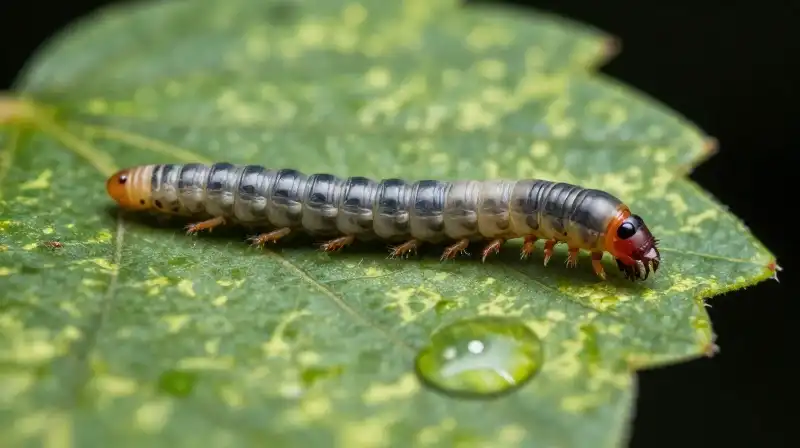 When dealing with a severe problem, distinguishing between the methods required for the *adult* (the leaf miner fly) and the *larva* (the mine in the leaf) is paramount.
| Target Pest Stage | Goal of Treatment | Recommended Approach | Effectiveness Note |
|---|---|---|---|
| Adult Leafminer Fly | Stop egg-laying and future infestations. | Early seasonal application of Spinosad or specific adulticides. | Prevents the next generation; chemical treatments do not kill existing larvae. |
| Larva (inside the leaf) | Eliminate active feeding pests. | Targeted, thorough spray with general insecticides (often systemic). | Requires the spray to penetrate the leaf structure to eliminate hidden larvae. |
| This distinction explains why many conventional solutions fail; if the adult is controlled but the larvae are not, or vice versa, the problem persists. |
Sustaining Control and Monitoring
Long-term leaf miner treatment involves a commitment to vigilance. Regular monitoring of young seedlings allows for the earliest possible intervention, when damage is minimal. Beyond active sprays and netting, maintaining garden hygiene after the season is vital. Tilling the garden and removing crop debris after harvest helps ensure that any overwintering pupae are destroyed, significantly reducing the severity of the following year’s infestation.
Conclusion: Synthesizing Effective Prevention
To successfully manage leaf miners, rely on prevention where possible and targeted intervention when necessary. Prioritize physical barriers and cultural practices early in the season. When chemical control is required, always consider the pest’s life cycle: target the adult flies with low-impact, timely sprays like Spinosad to prevent reproduction, and use systemic or penetrating insecticides when active larval feeding requires eliminating the hidden pests. By understanding that treatment must address both the visible symptoms and the unseen lifecycle of the leaf miner, gardeners can move beyond guesswork to achieve control.
How to Control Leaf Miners
Maintain Garden Cleanliness and Crop Rotation
Regularly remove and destroy fallen leaves or organic matter where pupae or overwintering adults might shelter. Also, avoid planting the same vulnerable crops in the same location year after year.
Use Physical Barriers
For young plants, install fine-meshed netting over the plants before the adult leafminer flies begin their active spring season to prevent them from laying eggs.
Target Adult Flies with Spinosad
Apply Spinosad or specific adulticides early in the season when adult flies are first active to stop them from laying new eggs and starting the life cycle.
Apply Targeted Insecticides for Larval Control
For active larvae feeding inside the leaves, use a strong, fine spray or a systemic insecticide specifically labeled for leafminer larvae, ensuring the chemical penetrates the leaf tissue.
Monitor and Sustain Control
Routinely monitor young seedlings for early intervention when damage is minimal. After harvest, destroy crop debris and till the garden to ensure any overwintering pupae are eliminated.
Related Articles