
Root Aphids: Symptoms, Damage, and Effective Control Strategies

Introduction
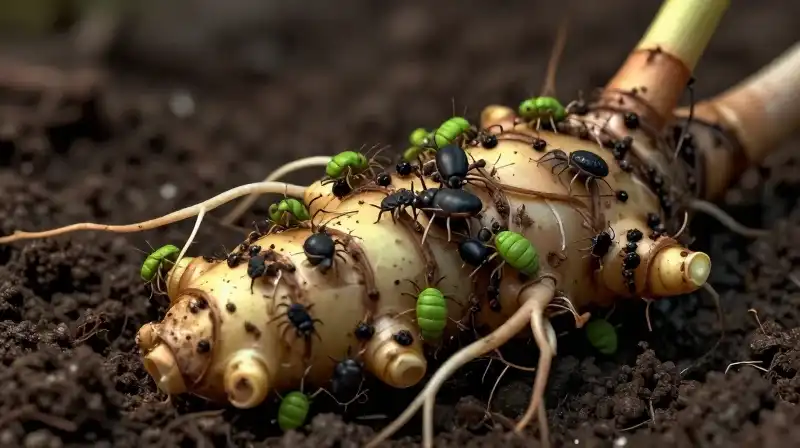
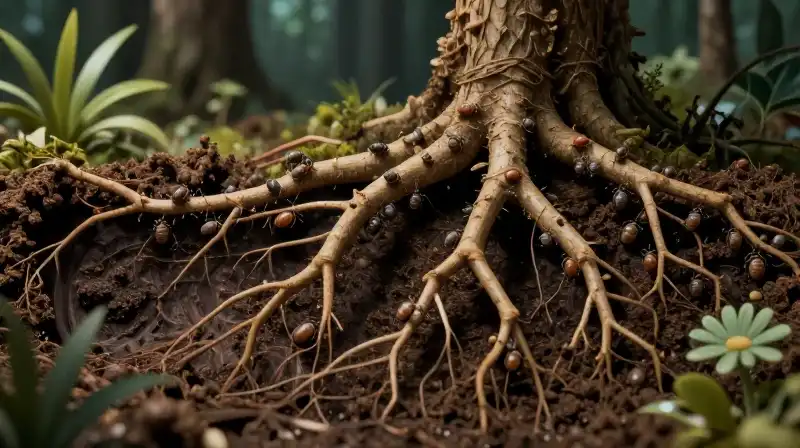
Root aphids are small insects, typically 2 to 3 millimeters in size, that primarily inhabit the root zone of plants. While many root pests are invisible, these sap-sucking insects feed on the fine roots and subterranean tissues of host plants. Unlike general foliar aphids, which often form dense, visible colonies on leaf surfaces, root aphids can be difficult to detect because they live underground. However, their feeding habit is detrimental, severely inhibiting plant growth, reducing overall vigor, and potentially leading to substantial crop loss if ignored.
Signs and Symptoms of Root Aphid Infestation
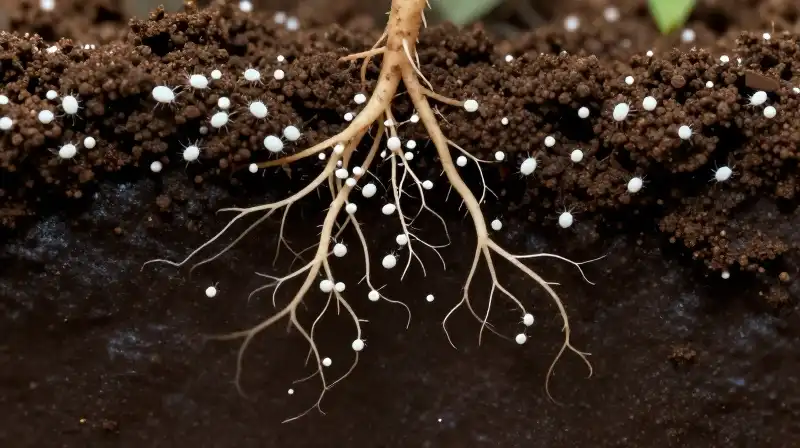 Because root aphid feeding occurs underground, their presence is often inferred from above-ground plant health issues. Early detection is critical because symptoms can sometimes be mistaken for other botanical problems, such as nutrient deficiencies or fungal diseases.
Primary Visual Indicators
* Decline in Vigor: Plants may appear stunted, unable to reach their expected mature size, even if watering and light conditions are optimal. * Root and Petiole Galls: Certain species, particularly within the *Pemphigus* genus, can cause the development of specialized pouch-like or elongated galls on leaves, petioles, or branches. * Yellowing and Wilting: General yellowing (chlorosis) and sudden wilting, especially in leaves that should be robust, often signal that the root system is being compromised. * Honeydew Secretion: Root aphids secrete a chalky honeydew. If the aphids move to above-ground surfaces (feed on secondary hosts like plants in the Asteraceae or Brassicaceae families), this sticky white substance will accumulate on leaves and potting media.
Differentiating Root Aphids from Other Pests
Winged adult root aphids are occasionally misidentified as fungus gnats due to their flight patterns and the similar environments (moist pots). However, they are fundamentally different. Root aphid nymphs are generally small, appearing white or brown, and live exclusively in the root zone or potted media.
The Damage Caused by Root Aphids
The primary function of root aphid feeding is the extraction of vital nutrients and phloem from the plant. This leads to several cascading effects:
- Growth Stunting: The direct removal of nutrients and disruption of root function prevents plants from reaching their maximum growth potential.
- Reduced Reproductive Output: Plants suffering from root aphid damage will exhibit a reduced ability to flower or fruit.
- Reduced Plant Vigor: The overall resilience and health of the plant decline, making it more susceptible to secondary diseases.
- Resource Competition: As these pests feed on the most vital part of the plant, they effectively create a state of nutrient deficiency, even if the soil is fertile.
Answering Common Questions about Root Aphids
Does Dawn dish soap kill root aphids?
No, relying solely on Dawn dish soap to control root aphids is generally ineffective, especially for an established infestation. While Dawn can be useful as a general cleaning agent to help remove sticky honeydew or as a preliminary rinse to physically dislodge pests, it lacks the systemic properties or long-term residue needed to eradicate root aphid populations from the root structure or soil.
Are root aphids bad?
Yes, root aphids are considered damaging pests. Because they target the plant’s foundation—its root system—their damage is deep and often subtle. If left untreated, they lead directly to decreased plant health, visible crop loss, and reduced productivity.
Effective Control Strategies for Root Aphids
Managing root aphid infestations requires a meticulous approach, whether you choose chemical or organic methods.
Integrated Pest Management (IPM) and Monitoring
Since root aphids can be difficult to spot, an effective strategy begins with routine monitoring of your soil and potting media. This involves:
- Regularly checking the health of older leaves for signs of secondary infestation (galls or honeydew).
- Inspecting the root zone, particularly if the plant is pulled from the pot, or using inspection tools.
- Implementing stringent plant hygiene, which includes cleaning all tools and equipment after any treatments.
Organic and Natural Remedies
Organic control requires a rigorous, integrated plan. While methods vary, several have been used to manage root aphid populations:
- Root Washing: In severe cases, soaking the entire root mass in hot water is a historically used method to physically dislodge or kill the pests.
- Root Drench Formulas: Specific organic drench formulas are designed to target pests within the potting media.
- Hydrogen Peroxide: Some reports suggest using hydrogen peroxide as an organic remedy for pest control, though application must be tested carefully.
Chemical and Systemic Options
For rapid or severe infestations, systemic pesticides can be effective because they are absorbed by the plant and move to the roots, killing the pests upon contact.
| Treatment Type | Mechanism | Key Considerations |
|---|---|---|
| Systemic Pesticides (e.g., Avid) | Pesticide is absorbed and kills pests internally. | Can be effective with a single application due to systemic properties. Requires strict adherence to PPE. |
| Foliar Insecticides | Direct contact to kill visible pests. | Requires thorough coverage and multiple applications, as it does not reach the roots. |
Note on Systemic Treatments: When using potent chemical treatments, wearing appropriate Personal Protective Equipment (PPE) is mandatory to ensure safety. Always follow the label instructions meticulously.
Preventing Future Infestations
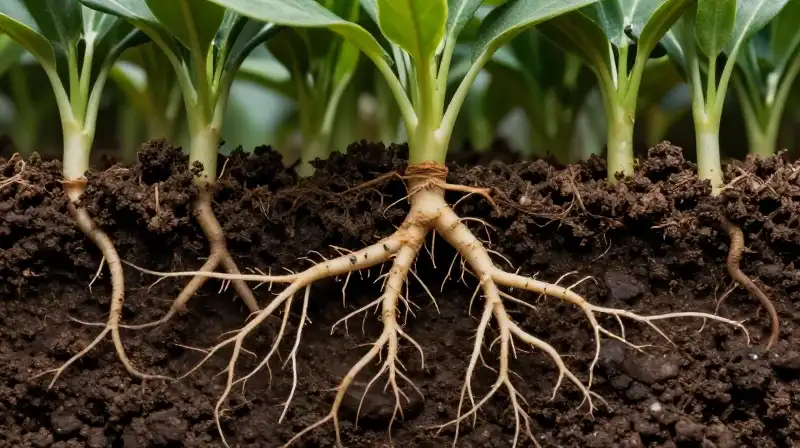 Root aphid management is not just about cure; it is about prevention. Since these pests are damaging pests prevalent in both indoor and outdoor cultivation, preventative measures are crucial.
Choosing and Monitoring Potting Media
In container plantings, where root aphids thrive, maintaining healthy soil quality and appropriate watering is key. Avoid overly dense or poorly draining mixes that promote damp, ideal habitats for pests.
Inspection and Sanitization
Before introducing any new plant to a collection, thoroughly inspect its roots and soil. Any tools or containers used for repotting should be cleaned to prevent the transfer of pests from one plant to another.
Synthesis: Success Requires Vigilance
Successfully mitigating root aphid infestations depends heavily on early detection and consistency. Root aphid control is rarely a one-time fix. Whether utilizing specialized systemic solutions or dedicated Integrated Pest Management (IPM) programs, you must be prepared for repeated, meticulous monitoring of your plant’s root health and above-ground symptoms. The combination of careful observation, choosing an appropriate treatment method for your needs, and consistent maintenance is the most reliable strategy to protect your crops from this subterranean threat.
Frequently Asked Questions
Does Dawn dish soap kill root aphids?
Relying solely on Dawn dish soap to control root aphids is generally ineffective, especially for an established infestation. While it can be used as a general cleaning agent to help remove honeydew or physically dislodge pests, it lacks the systemic properties required to eradicate root aphid populations from the root structure or soil.
Are root aphids bad?
Yes, root aphids are considered damaging pests because they target the plants root system. If left untreated, their damage leads directly to decreased plant health, visible crop loss, and reduced productivity.
Integrated Management and Prevention of Root Aphids
Monitor Plant Health
Regularly check the health of older leaves for signs of secondary infestation, such as galls or honeydew.
Inspect Root Zone
Inspect the root zone, particularly if the plant is removed from its container, or utilize specialized inspection tools.
Maintain Strict Hygiene
Implement stringent plant hygiene, ensuring that all tools and equipment are cleaned after any treatment is applied.
Select Proper Potting Media
When choosing a growing medium, avoid overly dense or poorly draining mixes that create a damp, ideal environment for pests.
Pre-Inspect New Plants
Before introducing any new plant to a collection, thoroughly inspect its roots and soil for any existing infestations.
Sanitize Repotting Equipment
Clean all tools or containers used for repotting to effectively prevent the transfer of pests from one plant to another.
Related Articles