Gypsum for Lawns: A Guide to Improving Soil and Grass Health

Introduction
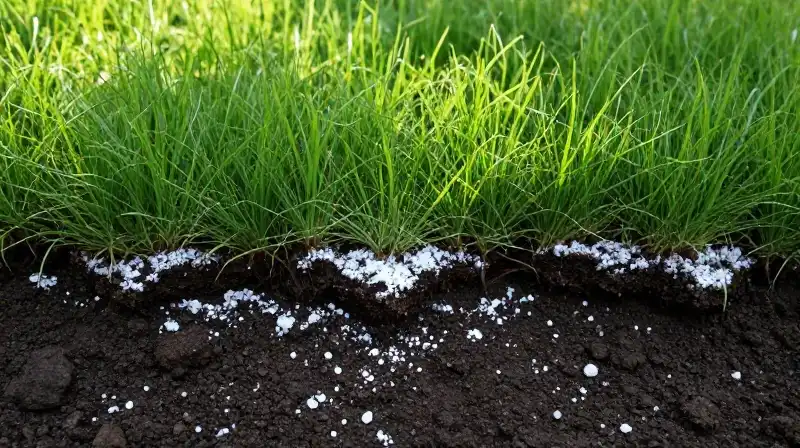
Gypsum is a mineral amendment used in landscaping and gardening to fundamentally improve soil health and structure. While often sought as a quick fertilizer, its primary function for lawns and gardens is not to directly feed the plant, but to transform the physical and chemical properties of the soil itself. For those looking to improve their lawn, gypsum addresses underlying issues like heavy, compacted, or overly salty soil by supplying calcium and plant-available sulfur.
How Gypsum Benefits Lawn Health
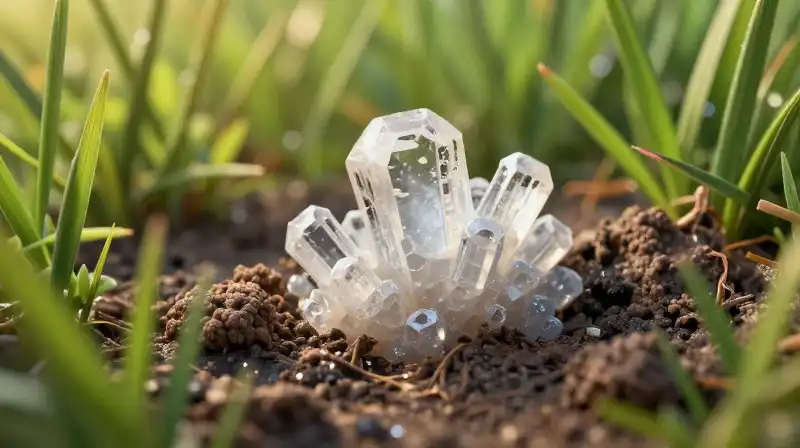 The benefit of applying gypsum to grass and soil lies in its ability to fix structural and chemical deficiencies. It works in three main ways:
Improves Soil Structure Through Flocculation
Many lawn soils, particularly in warmer or wetter climates, are heavy clay. Clay particles tend to stay separate, resulting in large clumps that resist water penetration and aeration. Gypsum, which contains calcium sulfate, has a flocculating effect. When added, the calcium acts like a binder, pulling those tiny clay particles together into stable aggregates. This improved structure leads to:
- Enhanced water infiltration, meaning less runoff during heavy rain.
- Better oxygen flow (aeration), which is crucial for healthy root growth.
- Improved drainage, preventing the muddy conditions that stress grass roots.
Remediates Salinity and Sodium Issues
High sodium levels, often introduced through certain fertilizers or de-icing agents in winter, can be toxic to plants and make soil structure fail. Gypsum helps exchange these harmful sodium ions for beneficial calcium ions. This process lowers the electrical charge on soil particles, reducing sodium buildup and restoring the soil’s chemical balance, effectively remediating high salinity in the soil.
Correcting Soil Acidity and Aluminum Toxicity
In some subsoils, excessive acidity can release aluminum, which is highly toxic to young plants and disrupts root growth. Because gypsum provides a source of calcium, it helps neutralize this subsoil acidity and helps keep aluminum ions bound and non-toxic to plant life, promoting stronger growth and better recovery in damaged areas.
Choosing the Right Gypsum Form
Not all gypsum products behave the same way in the soil, and selecting the right form depends on your specific application needs—whether you need a rapid fix or a slow, continuous release.
| Form | Characteristics | Best Use Case | Release Speed |
|---|---|---|---|
| Pulverized (Milled) Gypsum | Extremely fine, easily dispersed powder. Often used in powdered form without heat or additives (organic gypsum). | Immediate soil structure correction; new lawns where faster action is desired. | Fast |
| Granular Gypsum | Larger, more discernible granules. Designed for controlled, consistent release. | Long-term soil conditioning and general maintenance of established lawns. | Slow to Moderate |
| Pelletized Gypsum | Small, dense pellets. Specifically engineered for rapid dissolution and immediate availability. | Emergency fixes or areas requiring very quick chemical adjustments. | Fastest |
Practical Application Guide for Lawns
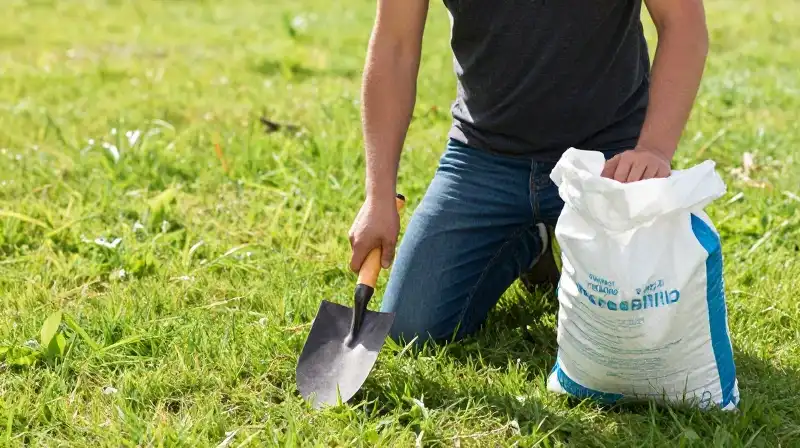 When applying gypsum for lawn care, it is vital to match the application method to the desired outcome.
Application Timing by Lawn Condition
The ideal time to use **gypsum for grass** depends on whether your lawn is new or established:
- Established Lawns: For ongoing soil conditioning and maintenance, application is best timed during the spring and fall. These seasons offer moderate temperatures and moisture, allowing the gypsum to work effectively without being rapidly washed away by the summer heat or frozen out in the winter.
- New Lawns: For newly seeded areas, incorporating gypsum directly into the soil before seeding is recommended. This ensures the calcium and sulfur are immediately available to support the delicate, developing root systems.
Surface vs. Incorporated Application
Gypsum is highly soluble, meaning it can often be used as a surface top-dressing. However, the effectiveness depends on the depth of the problem.
- If you are addressing superficial compaction or salinity, a surface application is often sufficient.
- If the issues (like high sodium or aluminum toxicity) are occurring deep within the profile, you must incorporate the gypsum into the top few inches of the soil using a rotary tiller or a specialized lawn edger.
Addressing Common Doubts: Does Gypsum Turn Grass Green?
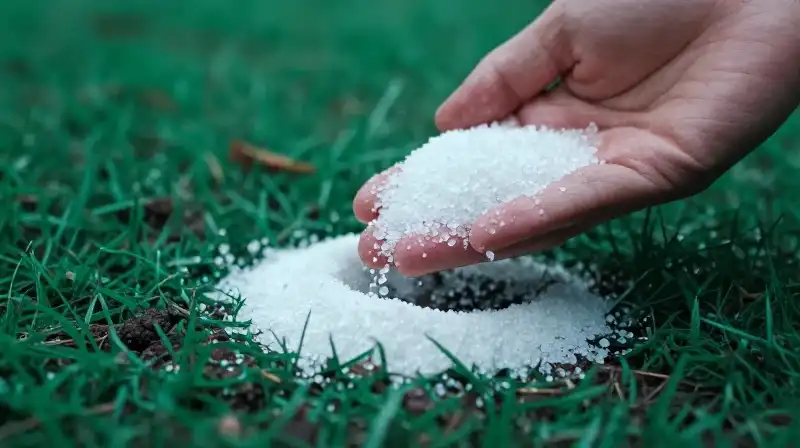 This is a common misconception. The short answer is **no, gypsum does not turn grass green.** The vibrant green color of a lawn is primarily due to chlorophyll, which is produced when plants have access to adequate nitrogen and light. Gypsum does not provide nitrogen. However, by improving the soil structure and chemistry, gypsum creates a much healthier *environment* for the grass. A well-aerated, non-salty, and well-drained lawn is a lawn that can absorb and process the other nutrients in the soil (like nitrogen and phosphorus) much more efficiently, leading to denser, more robust, and naturally healthier green growth.
Limitations and Pre-Application Steps
Before applying gypsum, it is crucial to understand its limitations and ensure you are targeting the correct problem.
Limitations of Gypsum
Gypsum is a powerful tool for structure and salinity, but it is not a universal solution for all lawn issues:
- It is not a substitute for nitrogen or other essential nutrients. If your lawn is yellow due to a lack of nutrients, you need a fertilizer, not gypsum.
- While it addresses specific types of soil damage, it may not solve deep, long-term soil exhaustion without the addition of organic matter.
The Importance of Soil Testing
A thorough soil analysis is the most critical first step. Soil tests provide precise data on pH, sodium levels, calcium content, and other deficiencies. This data allows you to confirm that gypsum will indeed provide the desired benefits (e.g., if your soil is already rich in calcium, adding more gypsum will be redundant).
Optimizing Your Gypsum Use
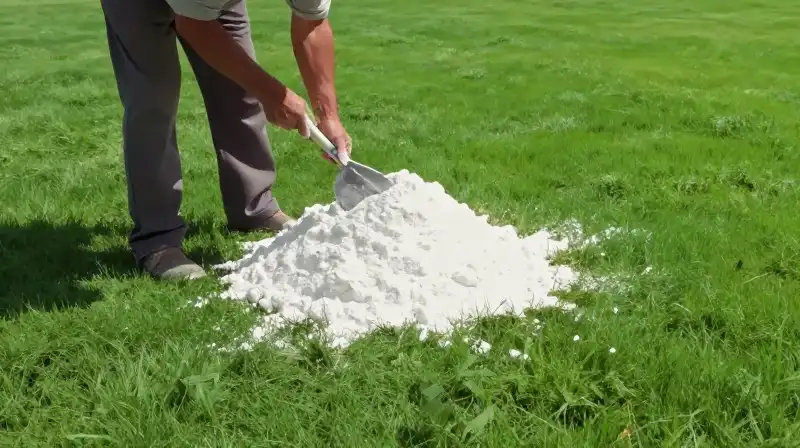 To ensure your investment in **gypsum for lawn** provides the maximum return, follow these best practices:
- Target the Problem: Always identify the specific issue—is it heavy clay (structure), high salinity (sodium), or acidity? This dictates whether you need pulverized, granular, or a specific dosage.
- Follow Recommendations: While dosage varies widely by soil type and severity, do not guess. Reference application rates (such as those sometimes cited for sodic clay soils, like 40 lbs per 1000 sqft) or consult with a local agricultural specialist or lawn service provider for precise measurements in your area.
- Consider Organic Form: If you prefer a natural, mined product without additives, look for pulverized organic gypsum.
By understanding the specific mechanisms of gypsum—how it flocculates clay, manages salts, and improves nutrient availability—you move beyond simple top-dressing and into effective soil science, leading to a more resilient and vibrant lawn.
Frequently Asked Questions
Does gypsum turn grass green?
No, gypsum does not turn grass green, as it does not provide the nitrogen needed for chlorophyll. However, it creates a healthier environment for the grass by improving the soils structure and chemistry, which allows the lawn to absorb and process other nutrients more efficiently.
How to Apply Gypsum to a Lawn
Perform Soil Analysis
The most critical first step is a thorough soil analysis to obtain data on pH, sodium levels, and calcium content. This confirms whether gypsum is needed and helps determine the specific problem.
Target the Problem
Identify the specific soil issue (structural compaction, high salinity, or acidity) to dictate the necessary amendments and dosage.
Select Gypsum Form
Choose the appropriate gypsum form: pulverized/milled for immediate corrections, granular for long-term conditioning, or pelletized for emergency, rapid adjustments.
Determine Timing
For established lawns, apply during spring or fall for moderate temperatures. For new lawns, incorporate it directly into the soil before seeding to support developing roots.
Choose Application Method
If issues are superficial (compaction, salinity), use a surface top-dressing. If problems are deep within the soil profile, incorporate the gypsum into the top few inches of soil using a rotary tiller.
Apply Gypsum and Follow Dosage
Apply gypsum according to recommended application rates or consult a local agricultural specialist for precise measurements, ensuring the substance is evenly dispersed.
Related Articles