St. Augustine Lawn Care: Optimal Watering and Maintenance Tips

Introduction
St. Augustine grass is a workhorse in warm, humid environments, valued for its dense, carpet-like appearance and ability to handle high-traffic areas. While it is inherently resilient—naturally resisting salt and possessing a high tolerance for heat—maintaining a truly lush, weed-free lawn requires specific knowledge of its care routines. Optimal St. Augustine lawn care is not simply about applying water; it is a balanced approach involving strategic watering, precise mowing, and timely feeding that aligns with the grass’s tropical growth cycle. This guide provides practical, actionable advice to ensure your lawn thrives year-round, from the height of summer to the cooler winter months.
Understanding St. Augustine Grass Needs
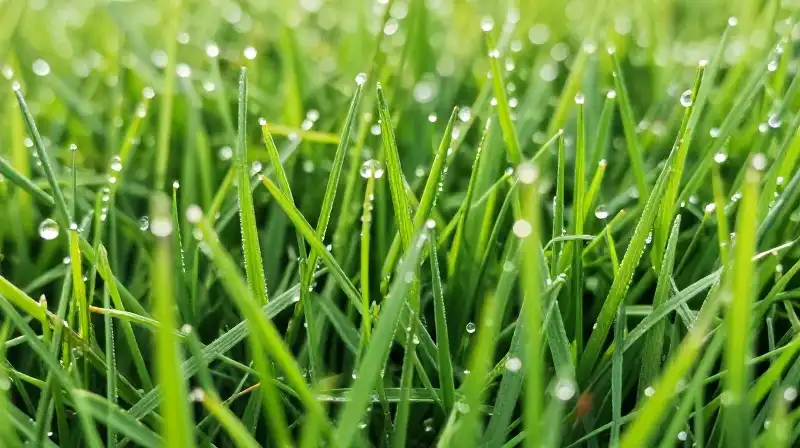
Unlike cool-season turf, St. Augustine is a warm-season grass, meaning it is designed for high temperatures and significant heat. Its dense growth habit is one of its greatest maintenance advantages, as the thick blades help suppress weeds naturally. However, this very density means that if the lawn suffers from stress, disease, or poor cultural practices, those issues can spread quickly. Successful care focuses on maintaining moisture and providing the right nutrition to keep the blades vigorous and uniform.
Optimal Watering Strategies for St. Augustine Grass
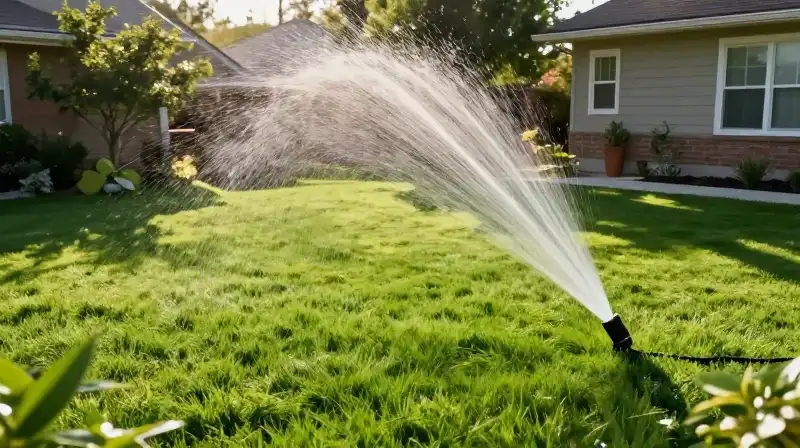
One of the most frequent questions regarding St. Augustine grass—especially in regions like Florida—is when to water. Overwatering is often as detrimental as underwatering. St. Augustine prefers deep, infrequent watering rather than light, daily sprinkles. This promotes deeper root growth, making the grass more drought-tolerant once established.
The ideal watering window is early morning. Watering in the evening encourages fungal growth and disease, as the blades remain wet overnight. In high-heat environments, you should aim to water deeply two to three times per week during the peak growing season. When the grass begins to go dormant during extended dry periods, it will turn a light brown color; a deep soaking is often sufficient to kick-start its quick recovery.
For lawns needing establishment, especially after overseeding with St Augustine grass seed, aim for twice-weekly watering until the roots are fully developed, then gradually transition to less frequent, deep cycles.
Watering Considerations for Coastal and Drought Areas
Because St. Augustine is naturally resistant to saltwater, it handles coastal humidity well. However, in drought conditions, monitor the lawn closely. If the grass shows signs of wilting or discoloration, a deep soak is required. Avoid random, shallow sprinkling, which encourages shallow root systems, making the lawn vulnerable to stress and heat.
Mowing Techniques and Height Management
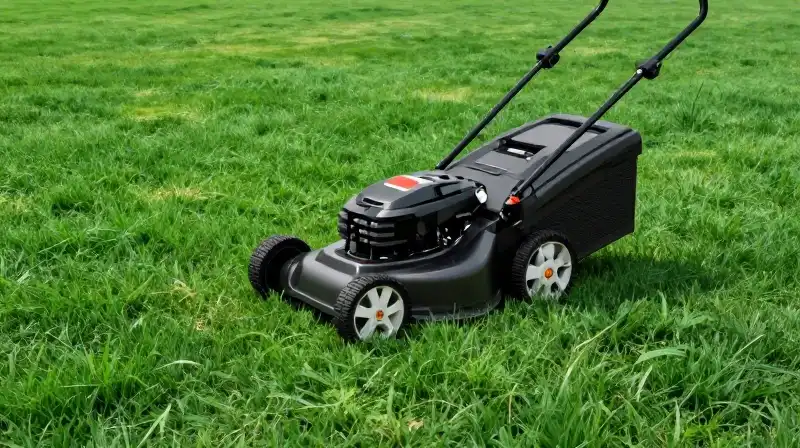
Mowing frequency and technique are crucial components of St. Augustine lawn care. A primary rule is to never remove more than one-third of the blade’s height in a single cut. This rule prevents shock and ensures the grass retains enough photosynthetic surface area to recover quickly.
The optimal height for St. Augustine grass is generally between 2.5 to 4 inches. Taller grass shades the soil, which helps retain moisture, keeps the root zone cooler, and provides better coverage to suppress competing weeds. Setting the mower too low increases the risk of heat stress and requires more intensive watering to compensate for the thinner canopy.
Always keep your mower blades sharp. Dull blades tear the blades of grass, which can damage the cellular structure and leave the grass vulnerable to diseases and pests. Regular trimming of edges also helps maintain a clean, manicured look and prevents weed creep.
Nutrient Requirements and Fertilization Schedules
St. Augustine grass, being a vigorous turf, requires consistent nutrient feeding. Choosing the correct fertilizer and maintaining a schedule is key to maximizing growth and density. For most warm-season grasses, a balanced fertilizer (often high in Nitrogen) applied during the spring and late fall is effective, but the ideal schedule depends on your specific region and soil test results.
A typical fertilization schedule involves two to three feedings per season:
- Spring Feeding: Stimulates new, vigorous growth.
- Summer Feeding: Maintains density during the peak growing season.
- Fall Feeding: Prepares the lawn for cooler weather and winter dormancy.
Always follow the manufacturer’s instructions based on the specific fertilizer used. Consistent application, rather than sporadic heavy doses, leads to the best results for St Augustine lawn care.
Managing St. Augustine Lawn Problems and Pests

While St. Augustine is resistant to many common pests and diseases, it is not immune. Addressing issues early is the most effective strategy.
Common Challenges and Solutions
The most frequent problems include fungal issues (especially when overwatered), spider mite infestations (favored by heat and dryness), and grub damage.
- Fungal Diseases: Prune air circulation by keeping the lawn well-watered but not constantly saturated, and ensure you are using a proper application of fungicides if outbreaks occur.
- Spider Mites: These thrive in dry heat. Improving hydration and increasing the frequency of mowing (to maintain a healthy canopy) can help naturally deter them.
- Grubs: If you suspect damage, treating the lawn with targeted grub control chemicals is necessary.
Maintaining a healthy, dense lawn is the primary preventative measure against almost all lawn diseases.
Seasonal Maintenance Calendar
A structured seasonal approach to St. Augustine lawn care ensures all needs are met throughout the year.
- Spring: Apply first balanced fertilizer. Ensure all areas are weed-free. Monitor for early fungal signs.
- Summer: Maintain deep watering schedule. Conduct mid-season feeding. Keep blades trimmed to 3-4 inches.
- Fall: Apply final, often slow-release, fertilizer. Begin preparing for cooler temperatures. Check for bare spots for reseeding (if appropriate for your climate).
- Winter: Depending on local climate, St. Augustine may enter dormancy. Reduce watering significantly. Mowing may cease or be done very lightly; focus on preventing deep winter stress.
Prudent Maintenance Summary
St. Augustine lawn care relies on balance. By prioritizing deep, infrequent watering, keeping the blade height consistent at 2.5 to 4 inches, and adhering to a predictable fertilization schedule, you satisfy the grass’s need for nutrients and moisture. The greatest pitfall to avoid is inconsistent care; whether you are dealing with initial establishment or established turf, routine and precision are the foundations of a vibrant, low-maintenance lawn.
Frequently Asked Questions
What is the best time to water saint Augustine grass in Florida?
The ideal watering window is early morning, as evening watering encourages fungal growth. In high-heat environments, St. Augustine grass should be watered deeply two to three times per week during the peak growing season.
Seasonal Maintenance Guide for St. Augustine Lawn Care
Spring Care
Apply the first balanced fertilizer. Ensure all areas are weed-free and monitor the lawn for early fungal signs.
Summer Care
Maintain the deep watering schedule. Conduct a mid-season feeding. Keep blades trimmed to an optimal height of 3-4 inches.
Fall Care
Apply the final, often slow-release, fertilizer. Begin preparing the lawn for cooler temperatures and check for bare spots for reseeding.
Winter Care
Depending on local climate, St. Augustine may enter dormancy. Significantly reduce watering. Mowing should cease or be done very lightly, focusing on preventing deep winter stress.
Related Articles