Janet Craig Compacta Care: Light, Watering, and Humidity Tips

Introduction
The Janet Craig Compacta, a variety of Dracaena Compacta, is an elegant houseplant prized for its compact, sophisticated form and ability to thrive indoors. While native to southeast Africa, it is highly adaptable to indoor environments, provided its core needs for light, proper watering, and humidity are met. This guide establishes the ideal care parameters for the Janet Craig Compacta, detailing how to manage its needs to ensure vigorous growth and prevent common issues like root rot or browning leaves.
Light Requirements for Janet Craig Compacta
 The light quality received is the most critical factor in Janet Craig Compacta health, directly influencing its growth rate and water needs. While the plant tolerates medium-low light conditions, achieving optimal growth requires consistent bright light exposure.
In well-lit rooms near a window, the Janet Craig Compacta flourishes. It thrives when it can receive consistent, bright natural light. This intense light allows the plant to maintain its signature compact stature and promotes a robust appearance. Conversely, if placed in an area with limited light, the plant will still survive but will not achieve its full potential or maintain its compact form.
Precision Watering Protocol
 The Janet Craig Compacta belongs to the “dry” watering spectrum. Providing too much water, leading to saturated soil, is the most common cause of plant decline and root rot. Instead of a rigid schedule, successful Janet Craig Compacta care depends on consistent monitoring of the soil’s moisture level.
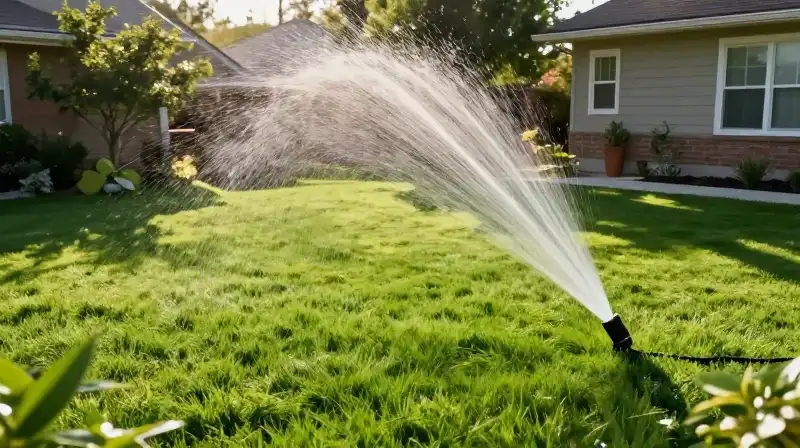
Before watering, always assess the soil moisture by inserting a finger two inches into the soil. Only water when the soil is dry at this depth. When watering, the technique and volume matter: use approximately 25 oz (750 ml) of water for an established plant, pouring it slowly around the base or gravel. This ensures the water has time to filter down deep into the root zone without washing away through the top of the soil.
Adjusting Watering Frequency by Light
The Janet Craig Compacta’s light levels dictate how often it will need water:
- In Bright Light: When placed in bright locations, the Janet Craig Compacta will likely require watering once per week.
- In Medium-Low Light: If the plant is situated in medium-low light, the watering interval should be extended to approximately every two weeks.
Creating an Ideal Indoor Environment
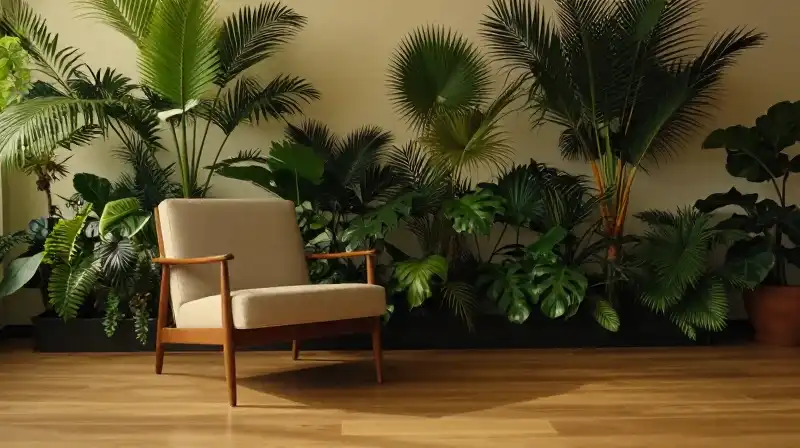 The Janet Craig Compacta is a plant that benefits significantly from humidity and regular maintenance to ensure maximum photosynthetic efficiency.
Humidity and Airflow
Thriving in humid conditions, the Janet Craig Compacta appreciates supplemental humidity. Maintaining a high humidity environment can be achieved through:
- Misting the plant regularly to increase ambient moisture.
- Placing the plant near a humidifier.
Maintaining good airflow around the leaves is equally important for overall health and preventing fungal issues.
Maintenance and Grooming
Regular maintenance keeps the plant healthy and visually appealing. Frequently dusting the leaves is a crucial step, as dust can block the pores needed for effective photosynthesis. Dusting also provides an opportunity to check the undersides of the leaves for early signs of pests, allowing for timely intervention. Additionally, rotating the Janet Craig Compacta periodically ensures that the plant maintains an even and balanced growth pattern on all sides.
Addressing Safety and Growth Limits
While the Janet Craig Compacta is a hardy and relatively easy-to-care-for houseplant, there are important factors regarding its safety and physical characteristics that users should know.
Toxicity and Pet Safety
The Janet Craig Compacta may present risks to household pets. Because it contains substances considered toxic, it is important to note that Dracaena Janet Craig is toxic to both dogs and cats if ingested. For pet safety, it is advisable to keep the plant out of reach of curious pets.
Growth Expectations
Regarding its size, the Janet Craig Compacta is generally known for its compact nature. While specific height can vary based on growing conditions, it maintains a relatively contained stature, making it suitable for various indoor display arrangements.
Critical Warnings for Error Prevention
 To ensure the long-term health of your Janet Craig Compacta, prioritize the following:
- Verify Soil Dryness: Never water on a strict calendar; always rely on the two-inch finger test to prevent devastating root rot.
- Prioritize Drainage: Because the Janet Craig Compacta does not tolerate soggy soil, ensure its pot has perfect drainage to allow excess water to escape quickly.
- Check for Compaction: If the plant was transported or placed in a container that has become densely compacted, aerating the soil prior to the initial deep watering can help the roots access moisture and oxygen more effectively.
Frequently Asked Questions
How tall do Dracaena Janet Craig Compacta grow?
The Janet Craig Compacta is generally known for its compact nature and maintains a relatively contained stature. While specific height can vary based on growing conditions, it is suitable for various indoor display arrangements.
Is Janet Craig's plant poisonous to dogs?
Yes, the Janet Craig Compacta is toxic to dogs if ingested because it contains substances considered hazardous to household pets.
How to Care for the Janet Craig Compacta Houseplant
Provide Optimal Light
Place the Janet Craig Compacta in a well-lit room or near a window to receive consistent, bright natural light for optimal growth.
Assess Soil Moisture
To prevent root rot, never water on a schedule; instead, insert a finger two inches into the soil to check if it is dry.
Water Properly
If the soil is dry at the two-inch depth, water with approximately 25 oz (750 ml), pouring slowly around the base or gravel until water filters down deep into the root zone.
Boost Humidity
Increase ambient moisture by misting the plant regularly or placing it near a humidifier to mimic its tropical native environment.
Maintain Airflow
Ensure good airflow around the leaves to prevent the buildup of fungus and support overall plant health.
Groom Leaves
Dust the leaves regularly to prevent blockages for photosynthesis and simultaneously check the undersides for early signs of pests.
Ensure Proper Drainage
Verify that the plant's pot has perfect drainage to allow excess water to escape quickly and prevent saturated soil.
Related Articles