Best Shade Grass: Selection, Care Tips, and Growing Lawns in Shade

Introduction
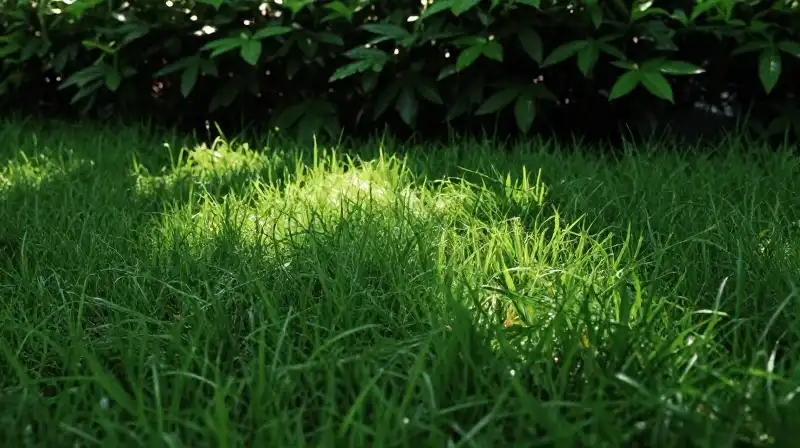
Growing a lush, healthy lawn in shaded conditions requires a strategic selection of grasses and a customized approach to traditional lawn care. Limited sunlight inherently slows grass metabolism because restricted photosynthesis hinders effective root establishment and overall growth. Instead of forcing sun-loving turf into low light, success relies on choosing species capable of utilizing dappled or partial light effectively. The most successful choices for shade often depend on the intensity of the shade. For areas with partial shade (up to 50-60% coverage), resilient options like Zoysia or certain St. Augustine varieties perform well. If the shade is dense and consistent, highly shade-tolerant Fescues (Fine Fescue, Red Fescue) are the industry standard. Regardless of the grass chosen, adapting standard maintenance practices—especially mowing, watering, and fertilizing—is crucial to optimize growth in low light.
Choosing Grass for Shaded Areas
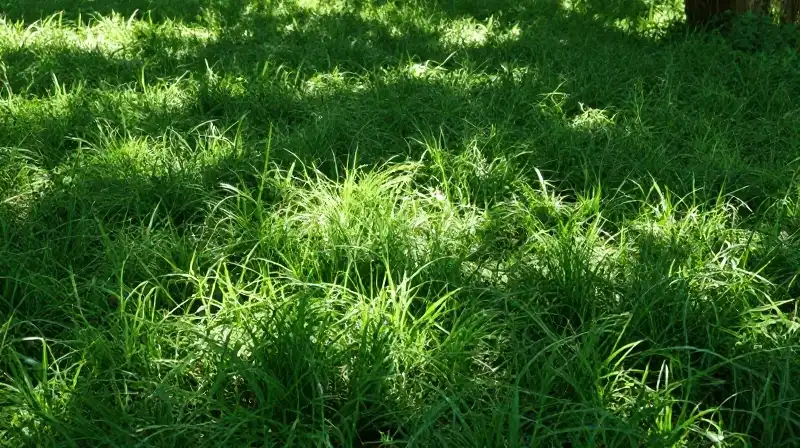 To determine which turf is best for your specific site, consider the degree of light penetration. The goal is to select a variety with a dense leaf structure and deep root system that allows it to capture and utilize limited available light efficiently.
Partial Shade (50–60% Coverage)
For areas that receive filtered light, these options offer excellent resilience:
- Zoysia: Highly recommended for shaded environments due to superior shade tolerance and exceptional drought resistance once established. Its dense structure helps capture low light.
- St. Augustine (Palmetto Varieties): Unlike traditional varieties, newer types, such as Palmetto, are specifically bred to offer enhanced tolerance to shade.
Deep Shade (Under Tree Canopy)
If the lawn is heavily obscured, look for species specifically adapted to extremely low light:
- Fescues (Fine/Red Fescue): These are often cited as the most shade-tolerant grasses available, thriving where St. Augustine or Zoysia would struggle to maintain density.
The Low Light Photosynthesis Challenge
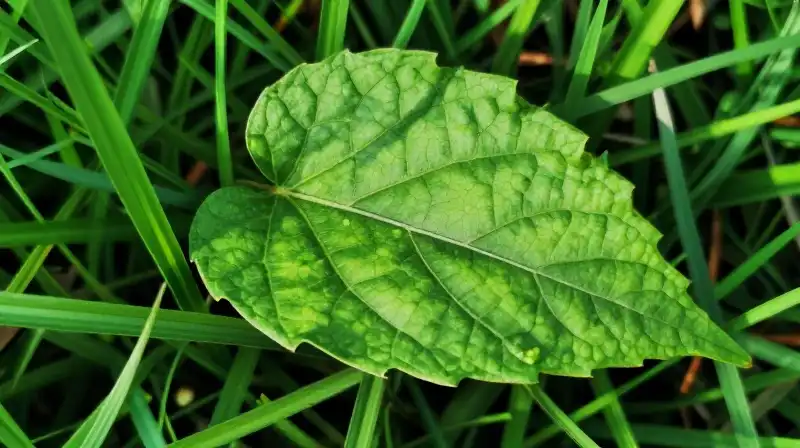 Understanding why low light is challenging helps in setting realistic expectations for growth. When photosynthesis is restricted, the grass struggles to produce the energy required for rapid growth and robust root development. This means shade grass typically grows slower and may appear less dense than its counterparts in full sun, but with the correct care, it will establish a dense, resilient cover.
Specialized Care: Adapting Lawn Maintenance for Shade
 Maintaining a shade lawn requires deviating from conventional care schedules. These adjustments ensure that resources are allocated optimally for slow-growth, low-light environments.
Mowing Adjustments
In full sun, lawns are often kept short to promote density. In shade, the approach is slightly different:
- Maintain Taller Blades: Avoid cutting the shade grass too short. Maintaining a blade height closer to 2.5 inches (or slightly higher) improves the surface area available for photosynthesis.
- Maximize Light Capture: Thicker foliage in shade can help capture and retain available moisture, but careful mowing ensures the necessary surface area remains optimized.
Strategic Watering and Hydration
Shaded lawns naturally require less water than turf exposed to direct sun, but the water that is given must be effective.
- Deep, Infrequent Irrigation: Focus on deep, less frequent watering rather than quick, daily sprinkling. This encourages deep root growth, which is vital for survival in shaded, often cooler, microclimates.
- Moisture Retention: Maintaining a slightly taller grass height increases the foliage mass, which naturally aids in moisture retention within the lawn itself.
Nutrient and Fertilizing Strategy
Because the grass cannot photosynthesize at the high rates it would in the sun, its nutrient requirements are lower.
Fertilizing shade grass demands careful balance and moderation. Apply a balanced N-P-K ratio, but specifically, use about half the amount of nitrogen typically required by sun-exposed turf. Excessive nitrogen will lead to weak, floppy growth that cannot be supported by limited light.
Soil Health and Aeration
Shade areas are prone to compaction because the ground retains moisture and organic debris, which can inhibit root function.
- Integrate Organic Matter: Regularly incorporate organic matter into the soil. This improves drainage and structure, helping the roots penetrate dense layers.
- Core Aeration: Conduct regular core aeration to combat compaction, ensuring that roots have space and access to necessary air and nutrients.
- Canopy Management: If the shade is coming from overhead trees, consider judicious canopy thinning. Allowing dappled sunlight to penetrate the canopy helps bring more energy to the lawn below, significantly aiding grass health.
Advanced Techniques for Shade Lawns
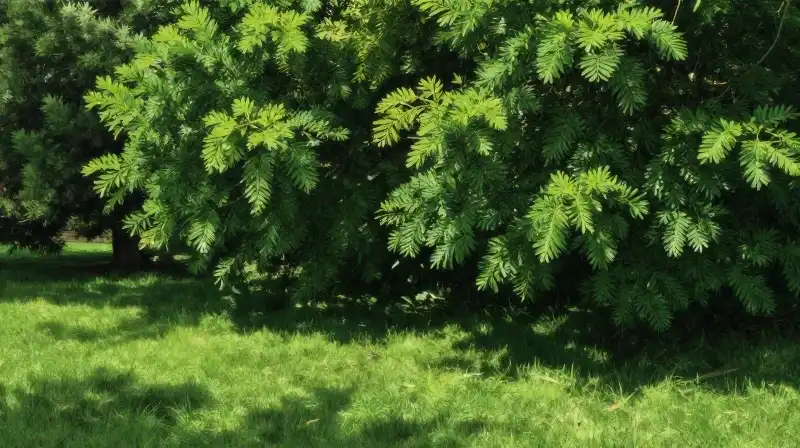 To further optimize the microclimate of a shaded lawn, proactive management of surface conditions is beneficial.
Managing the organic layer between the lawn and the soil is key to resource conservation and disease prevention.
- Thatch Management: Regularly manage thatch (the layer of dead organic material) to prevent it from becoming too thick, which can block light and impede gas exchange near the roots.
- Organic Mulches: Utilize organic mulches strategically around the turf. These conserve moisture, moderate soil temperature fluctuations, and reduce resource competition for the grass.
Because shade creates a consistently moist environment, it also increases the risk of fungal diseases. Consistent observation and prevention through proper airflow (via canopy thinning) and drainage are critical.
Synthesis: Practical Checklist for Success
Achieving a vibrant lawn in shade is a matter of precise adaptation, not overpowering the natural limitations of the environment. Before undertaking major renovations or applying fertilizer, confirm that your grass selection meets the light intensity of your location.
Prioritize the following decision criteria:
- Analyze Light: Determine if your shade is partial (50-60%) or deep shade to select the appropriate grass (Zoysia/Palmetto vs. Fescue).
- Adjust Mowing: Always maintain a slightly taller blade height (approx. 2.5 inches) to maximize photosynthesis.
- Moderate Nutrients: Use significantly reduced nitrogen levels in all fertilization plans.
- Improve Structure: Regularly aerate and integrate organic matter to counteract soil compaction.
- Manage Canopy: If possible, gently thin overhead tree canopy to maximize usable light penetration.
How to grow a lush, healthy lawn in shaded conditions
Analyze Light
Determine whether your shade is partial (50-60% coverage) or deep shade to select the appropriate grass variety (Zoysia/Palmetto vs. Fescue).
Adjust Mowing Habits
Always maintain a slightly taller blade height, approximately 2.5 inches, to maximize surface area and photosynthesis.
Moderate Nutrient Application
Use significantly reduced nitrogen levels in all fertilization plans, as high levels can lead to weak growth in low light.
Improve Soil Structure
Regularly conduct core aeration and integrate organic matter into the soil to counteract compaction and aid root function.
Manage Canopy and Microclimate
If the shade is provided by overhead trees, gently thin the canopy to allow more dappled sunlight penetration to the lawn.
Related Articles