Cultivating Purple Climbing Vines: Best Tips and Care Secrets

Introduction
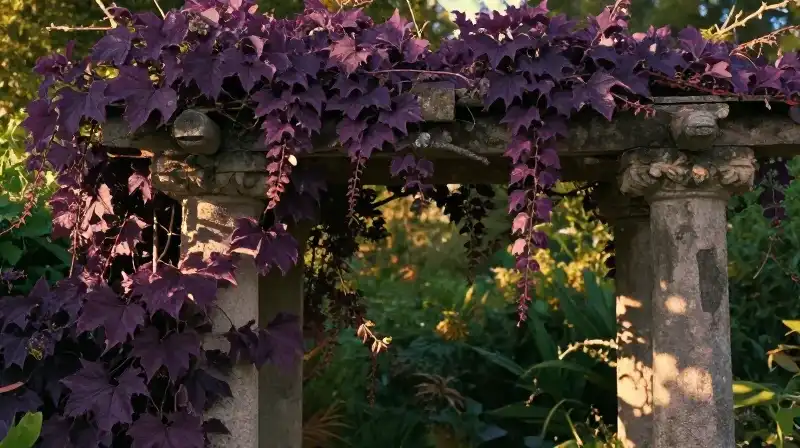
Purple climbing vines offer dramatic, high-impact focal points for gardens, transforming arbors, fences, and trellises into vibrant living tapestries. From pale lavender Hyacinth Beans to deep indigo woody climbers, these plants deliver a rich spectrum of color. Successful cultivation, however, requires recognizing that while they are visually stunning, they are often fast-growing, frost-tender, and highly reliant on substantial support structures. This guide outlines the essential knowledge needed to transition from a seed packet to a thriving, purple climbing display.
Understanding the Purple Climbing Vine Variety

Not all purple climbers are created equal. Before planting, identify the nature of the vine, as this dictates your entire approach. Some plants, like the annual Hyacinth Bean, are fast, lush, and focus on a summer-to-fall bloom cycle, while others are hardy, woody climbers that require long-term structural commitment. Matching the vine’s specific needs—whether it’s a warm-weather tropical variety or a hardy climate species—is the first step in guaranteeing success.
When selecting a purple climbing vine, consider the growth mechanism:
- Delicate Twining: These vines wrap around supports, needing frequent guiding and careful support structures.
- Shrubby/Clinging: These grow denser and may require more robust, less delicate frameworks.
For maximum ornamental appeal, consider pairing purple climbers with complementary species, such as morning glories or climbing nasturtiums, to layer color and texture in your design.
Essential Preparation: Choosing the Right Support and Location
A common failure point in growing purple climbers is inadequate support. These are not subtle ground covers; they are vigorous climbers that demand structure. For most heavy or fast-growing purple climbing vines, a minimum of an 8- to 10-foot vertical trellis or sturdy fence is necessary to accommodate their sprawling growth.
Selecting the site also hinges on environmental requirements. Purple vines generally require full sun to produce the best blooms. Furthermore, nearly all climbing vines mentioned are frost-tender, meaning they must be cultivated only after the risk of the last expected frost has passed, as these plants cannot survive freezing temperatures.
Timing the Cultivation: Seed Starting and Planting
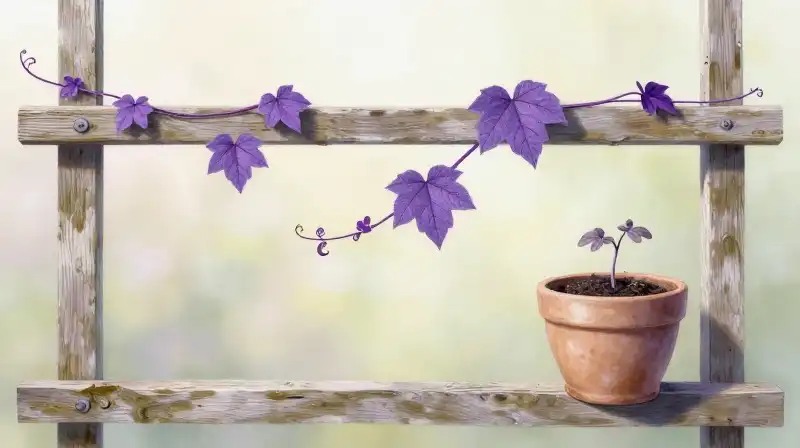
The method of starting your seeds depends heavily on the required timing for your specific species. Planning ahead is key, particularly for annual varieties like the Purple Hyacinth Bean.
Indoor Starting: If beginning seeds indoors, plant them approximately four weeks before the last expected frost to ensure they are established before the required outdoor temperatures arrive. Seeds should be sown in ordinary soil at a depth of 1 inch.
Direct Sowing: For species that prefer outdoor starting, wait until the nightly temperatures have consistently exceeded 50°F (10°C). When planting directly into the garden, space seeds 6 inches apart to allow adequate airflow and root development.
If you are transplanting seedlings from a pot or tray into the final location, increase the spacing to 6 to 8 inches to prevent competition and allow the vine room to establish its initial root system without disturbing it.
Sustaining the Bloom: Watering and Maintenance Regimens
Purple climbing vines vary widely in their moisture needs, ranging from consistently wet conditions to thriving in more drought-tolerant spots. Before planting, determine the specific needs of your variety and establish a consistent watering routine. Over- or under-watering can stunt the vigorous growth rate that is characteristic of these species.
Beyond water, maintenance is critical for managing their growth. Because many purple climbers are fast-growing, regular pruning is necessary. Pruning does not just remove spent blooms; it manages the vine’s overall vigor, encourages bushier growth, and directs energy toward the stunning purple flower production rather than unchecked foliage.
A routine maintenance checklist includes:
- Monitoring support structure stability, especially as the vine gains weight.
- Pruning spent stems to promote continued flowering.
- Checking soil moisture levels to meet the vine’s specific needs.
Safety and Limits: Toxic Elements and Invasive Tendencies
While purple climbing vines offer unmatched aesthetic appeal, potential gardeners must be aware of two significant operational limits: toxicity and invasiveness. These elements require careful site selection and management.
Toxicity Awareness
It is crucial to be mindful of potential hazards. Certain components of some species can be toxic to pets and children. For example, the blooms and beans of Hyacinth Bean Vine, along with seeds from morning glory, contain elements that can pose risks. Always treat these plants as potential hazards and keep them out of reach of small children and curious pets.
Invasiveness and Climate Limits
Some purple climbing varieties are known for their aggressive or invasive growth patterns. Careful research into regional hardiness and the plant’s ecological history is required to ensure it will not overwhelm the local ecosystem. Furthermore, although many vines are tropical and require consistent warmth, others are hardy. Know the specific limits of your chosen species against local frost and heat to ensure a sustainable garden.
Final Checklist for Cultivation Success
Successfully cultivating a magnificent purple climbing vine requires diligent preparation, consistent care, and an awareness of environmental limits. To summarize your cultivation plan, focus on these key elements:
Start with a clear understanding of your vine’s type and its required structure (8- to 10-foot support minimum). Time your planting accurately based on temperature thresholds (avoiding frost and ensuring night temps are above 50°F). Maintain a disciplined maintenance routine, using pruning not just for aesthetics but for growth control. Finally, always prioritize safety by identifying any toxic or invasive characteristics of your chosen plant before installation.
How to Cultivate Purple Climbing Vines
Identify the Vine and Needs
Determine the nature of the purple climber (annual vs. woody, delicate vs. shrubby) and its specific requirements, including frost tolerance and preferred growth mechanism.
Prepare the Environment
Select a location that receives full sun and install a robust support structure, ensuring it is at least 8- to 10-feet high to accommodate sprawling growth.
Start the Seeds
Begin cultivation either indoors (approximately four weeks before the last frost) or through direct sowing (when nightly temperatures consistently exceed 50°F).
Plant and Space
Plant seeds 6 inches apart, or space transplanted seedlings 6 to 8 inches apart to allow adequate airflow and root development.
Manage Watering
Establish a consistent watering routine based on the specific moisture needs of your variety, as over- or under-watering can hinder vigorous growth.
Prune and Maintain
Regularly prune spent stems and manage overall growth vigor to encourage bushier structure and direct energy toward purple flower production.
Ensure Safety and Compliance
Research the plant's ecological history to ensure it is not invasive and always keep plants out of reach of small children and pets, as some species can be toxic.
Related Articles