Queen of Sweden Roses: Essential Guide for Container Success

Introduction
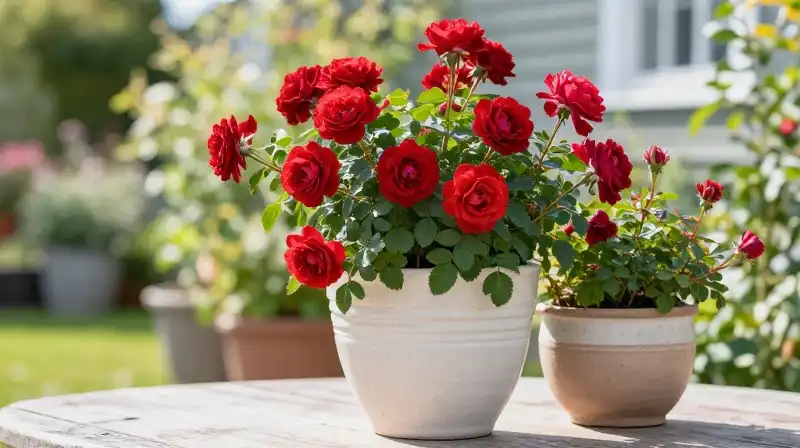
Growing the Queen of Sweden rose in a container offers the benefit of manageable size and concentrated blooms, allowing for strategic placement anywhere in the yard. However, confined root space and high moisture fluctuations in pots present specific horticultural challenges that differ greatly from garden planting. Successful container cultivation of this variety hinges not merely on standard rose care, but on making critical choices regarding container size, drainage, and fertilization timing to prevent common pitfalls like root rot or nutrient imbalance.
Choosing the Ideal Container for Queen of Sweden Rose
 The physical container serves as the rose’s entire growing environment. For the Queen of Sweden rose, which should be treated as a compact shrub when in pots, size is the most important factor. Selecting a vessel that is too small will quickly restrict root growth, leading to stunted flowering and poor health. To ensure adequate room for a robust root system and sufficient moisture retention, the container should measure a minimum of two feet wide and two feet deep.
Prioritizing Durability and Drainage
Container longevity depends heavily on the material chosen. Glazed ceramic or concrete are recommended because they are durable and provide good thermal mass, helping to regulate soil temperature. While plastic is lighter, porous materials are often preferred for their ability to manage moisture. The most vital structural element is the drainage system. Containers must feature adequate drainage holes. Without proper drainage, water stagnates, leading directly to anaerobic conditions and root rot—a frequent cause of failure in containerized roses.
Optimizing the Growing Medium
The potting mix is the lifeblood of a container plant, requiring a superior quality blend that balances nutrient availability with excellent drainage. A high-quality potting mix should be chosen and immediately enriched with ample compost. This addition serves two purposes: improving the structure of the soil and maximizing water retention, which is crucial since containers dry out much faster than in-ground beds. It is crucial to avoid adding granular or time-release fertilizers directly into the potting mix at planting time. These slow-release compounds can burn or harm young, delicate roots, making a gradual, controlled feeding approach necessary in the beginning.
Water and Feeding Strategies for Container Success
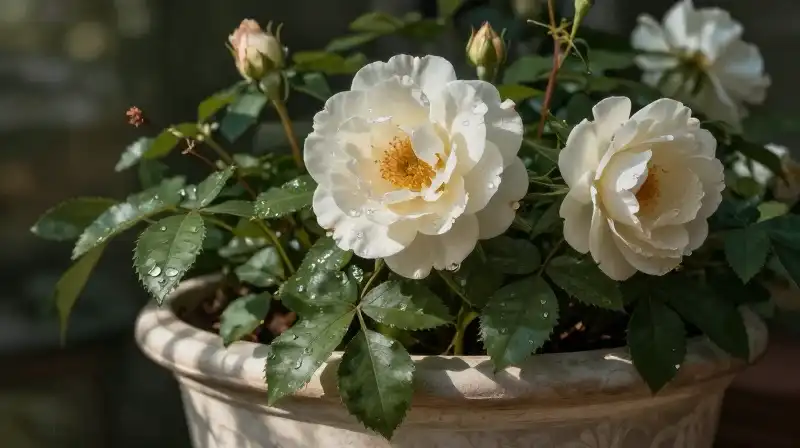 Water management is the most frequent area where novice container gardeners encounter errors. The goal is consistency: keeping the soil consistently moist without ever allowing it to become saturated. Daily monitoring is required, especially during warm weather.
Establishing a Strategic Fertilizing Schedule
Feeding the Queen of Sweden rose requires targeted care to support continuous bloom. A routine fertilization schedule should be established, feeding the rose in spring and following each major bloom flush. This typically means applying fertilizer every 2 to 3 weeks during the growing season. Initial feeding must utilize a liquid fertilizer formula. This method ensures a gradual, consistent release of nutrients directly accessible to the roots, minimizing the risk of chemical burn.
Winter Preparation and Frost Limits
A critical element of rose care in cooler climates is the timing of nutrient application. To allow the rose to harden off and enter dormancy correctly, fertilizing must cease significantly before winter arrives. Stop all fertilizing 6 to 8 weeks prior to the predicted arrival of the first frost.
Understanding the Queen of Sweden Rose Characteristics
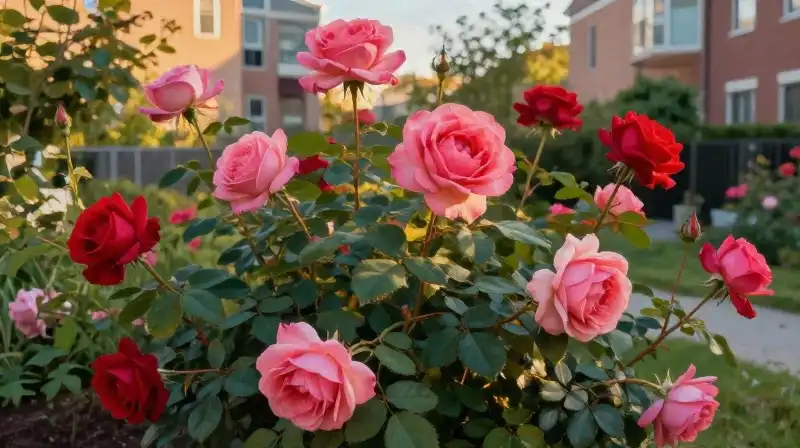
For those deciding where to buy or how to best use the Queen of Sweden rose, understanding its attributes provides valuable context. Regarding scent, the Queen of Sweden rose is known for being fragrant, offering a pleasant perfume that enhances its visual appeal. In terms of physical characteristics, it forms a bushy, yet upright shrub. It was named to commemorate the Treaty of Friendship and Commerce between Sweden and Great Britain. Its overall size and shape make it an excellent choice for filling mid-sized pots.
Critical Precautions and Final Synthesis
 Container growing is a nuanced discipline, and its success relies on preventing common environmental and chemical stressors. The decision to grow the Queen of Sweden rose in a container must be tempered by awareness of its limitations and maintenance needs. While the initial setup (large pot, good mix, proper drainage) provides a strong foundation, regular, hands-on care is non-negotiable. The most common fatal error in this scenario is either under-watering, which causes drought stress, or over-watering, which leads to root asphyxiation. By maintaining a meticulous watering schedule and respecting the limits of its feeding window—especially the crucial pre-frost cessation period—you ensure the containerized rose thrives through all seasons.
Explore more: Celtic Symbols for Brotherhood: Meanings and Interpretations
Frequently Asked Questions
Is Queen of Sweden rose fragrant?
The Queen of Sweden rose is known for being fragrant, offering a pleasant perfume that enhances its visual appeal.
How to Successfully Grow Queen of Sweden Rose in a Container
Select the container
Choose a container that is a minimum of two feet wide and two feet deep. Prioritize materials like glazed ceramic or concrete, and ensure it has adequate drainage holes.
Optimize the growing medium
Use a high-quality potting mix and enrich it with ample compost. Avoid adding granular or time-release fertilizers directly into the mix at planting, as these can harm young roots.
Manage watering
Maintain consistency by keeping the soil consistently moist but never allowing it to become saturated. Daily monitoring is required, especially during warm weather, to prevent both drought stress and root rot.
Establish a fertilizing schedule
Apply a liquid fertilizer every 2 to 3 weeks during the growing season. This ensures a gradual, consistent release of nutrients that are accessible to the roots without risking chemical burn.
Prepare for dormancy
Stop all fertilizing 6 to 8 weeks prior to the predicted arrival of the first frost to allow the rose to harden off and enter dormancy correctly.
Related Articles