Purple Top Turnips: Growing Tips, Health Benefits, and Uses

Introduction
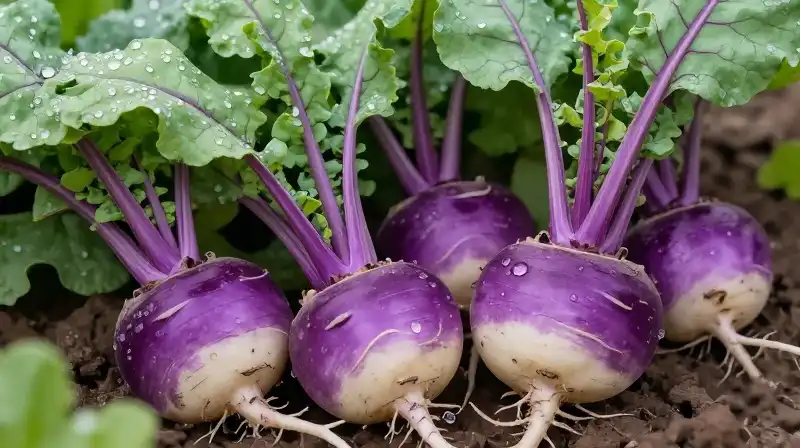
Purple top turnips (Brassica rapa L. subsp. rapa) are highly valued cool-season brassicas prized for their cold hardiness and versatility. They are far more than a simple root vegetable; they serve crucial roles in agriculture as effective cover crops, high-energy forage for livestock, and a nutritious addition to the winter diet. To answer the question of whether purple top turnips are good to eat, the answer is a definitive yes. Both the roots and the nutrient-rich foliage offer excellent culinary and nutritional value.
This guide provides detailed insights into maximizing the yield and utility of purple top turnips, covering everything from optimal planting conditions to sophisticated management strategies for pest control and storage.
Ideal Conditions for Purple Top Turnips
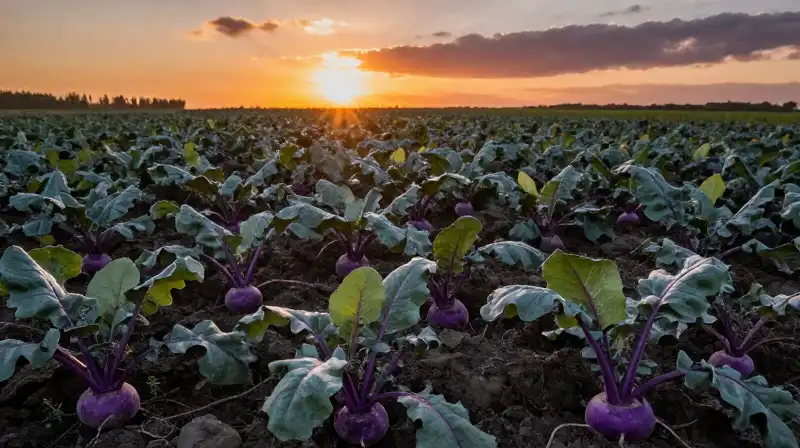
Successful cultivation of these hardy brassicas depends heavily on selecting the right environment. Purple top turnips require specific soil characteristics and careful attention to seasonal timing to thrive.
Soil Requirements and Preparation
The most effective growth occurs when the soil is deep, loose, fertile, and exceptionally well-drained. Because they are sensitive to waterlogging, drainage is paramount. Additionally, while they can tolerate slightly alkaline conditions, the optimal pH for maximum growth is between 5.5 and 6.5, indicating a preference for slightly acidic to neutral earth.
Before planting, incorporating significant amounts of organic matter into the soil will enhance its structure and fertility, supporting rapid and robust bulb formation.
Sowing and Spacing Strategies
Planting should be done via direct seeding. The required depth for successful germination is approximately 3/4 inch. The optimal sowing time varies depending on the desired use, but for fall harvest, planting between July and September allows them to utilize cool autumn conditions. When planning your garden, proper spacing is essential for ensuring adequate airflow and plant growth:
- Turnip Spacing: Aim for 8 seeds per foot.
- Rutabaga Spacing: Aim for 6 seeds per foot.
Cultivation and Intensive Management
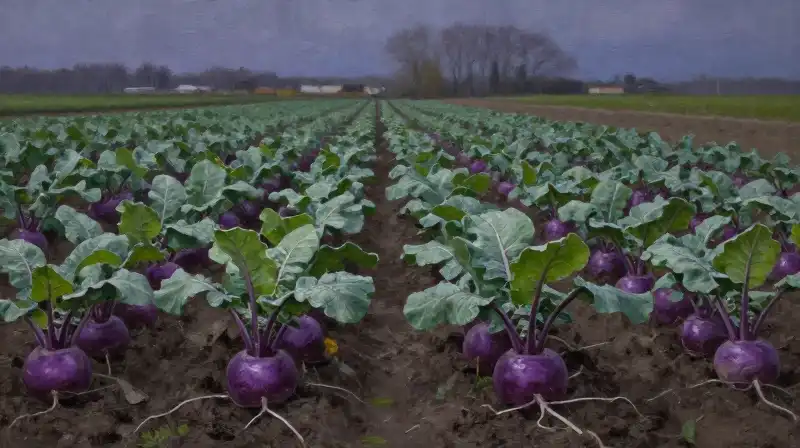
Beyond initial planting, the management of your purple top turnips involves strategies that maximize their nutritional output and protect them from common agricultural threats.
Harvest Timing and Edibility
Harvesting purple top turnips is a skill that balances flavor and size. The optimal time is when the root flavor has reached its peak, which typically occurs just before the ground freezes or after the plant has experienced at least two hard frosts. Furthermore, the greens—or turnip leaves—are fully edible and can be harvested both before and alongside the main root crop.
Optimizing Livestock Forage
For agricultural use, these turnips are an extremely high-energy feed, providing about 85% total digestible nutrients. To maximize resource utilization for livestock and ruminants, management techniques like strip grazing are highly effective. Strip grazing allows the animals to utilize both the roots and the lush foliage efficiently. It is recommended to begin grazing after a 60- to 90-day growth period.
Pest Prevention and Integrated Pest Management
Common pests pose a threat to the valuable roots and foliage, including flea beetles, cabbage root maggots, cabbage looper, imported cabbage worm, and the diamondback moth. Effective management requires a multi-pronged approach:
- Physical Barriers: Utilize floating row covers to provide a preventative barrier against common insects like flea beetles and cabbage root maggots.
- Biological Control: Beneficial nematodes can be used specifically to control cabbage root maggots that feed on the roots.
- Biological Treatments: For leaf and stem pests like the cabbage looper and diamondback moth, treatments based on *Bacillus thuringiensis* are effective.
- Resistance Management: To prevent the development of pest resistance, any use of chemical insecticides should be rotated with biological or cultural controls.
Nutritional Profile and Diverse Uses
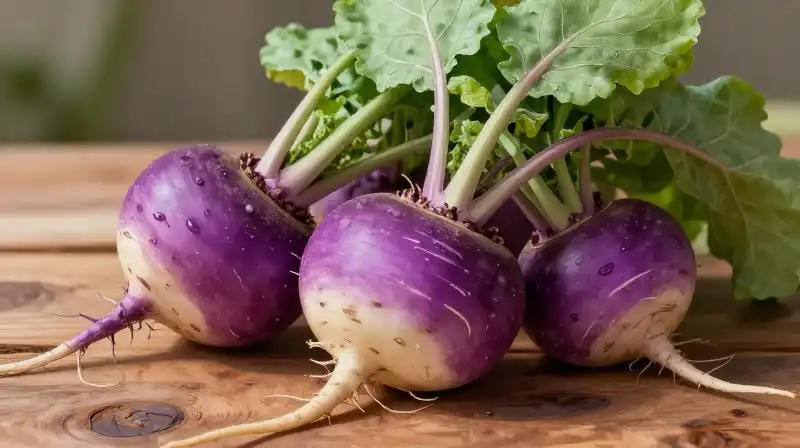
Purple top turnips offer significant value whether they are intended for human consumption or for pasture use.
High-Protein Foliage
While the roots are valued for their energy and storage capability, the foliage is often overlooked. The stems and leaves are notably nutrient-rich, providing the highest protein concentration of any part of the plant, making them an invaluable component of high-quality fodder for livestock.
Nutrient Cycling and Soil Health
Beyond direct consumption, turnips serve an important function in soil science. As a cover crop, they excel as nutrient scavengers, helping to prevent the nitrogen and other essential nutrients in the soil from leaching away. Their rapid establishment also contributes to reducing topsoil compaction.
Storage and Preservation Techniques
Once harvested, the longevity of purple top turnips depends entirely on proper storage conditions. Maintaining a controlled environment is key to preserving their crisp texture and flavor.
Root storage should be executed by maintaining the roots unwashed and stored in cold temperatures, specifically around 32°F, while ensuring a high relative humidity of approximately 95%. This controlled humidity prevents moisture loss and spoilage, allowing for extended preservation.
Practical Considerations for Growing Turnips
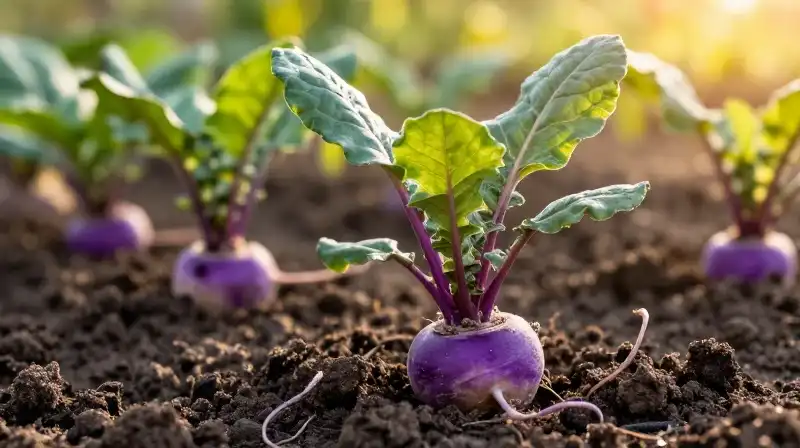
While purple top turnips are robust, maximizing your results requires careful decision-making based on your primary goal—whether you are growing food or feed.
| Goal | Primary Consideration | Key Strategy |
|---|---|---|
| Edible Harvest (Root/Leaf) | Taste and visual appeal | Harvest after two hard frosts; harvest greens regularly. |
| Pasture/Forage | Rapid growth and nutrient density | Utilize strip grazing; optimize for rapid biomass increase. |
| Large Yield/Storage | Soil quality and moisture control | Ensure excellent drainage and maintain cold storage at 32°F. |
Adopting an Integrated Pest Management approach and respecting the planting windows ensures that this cold-hardy brassica serves its highest potential in your garden or farm. Prioritizing proper soil preparation and early intervention against pests are the most effective steps toward a successful season.
Frequently Asked Questions
Are purple top turnips good to eat?
Purple top turnips are good to eat, as both the roots and the nutrient-rich foliage offer excellent culinary and nutritional value. The greens are fully edible and can be harvested both before and alongside the main root crop.
How to Grow and Manage Purple Top Turnips
Prepare the Soil
Ensure the soil is deep, loose, fertile, and exceptionally well-drained; incorporate significant amounts of organic matter and aim for a pH between 5.5 and 6.5.
Sow Seeds
Plant via direct seeding at a depth of approximately 3/4 inch. For fall harvest, sow between July and September, aiming for 8 seeds per foot.
Manage Pests
Implement integrated pest management (IPM) by utilizing physical barriers like floating row covers, employing biological controls such as beneficial nematodes, or applying treatments based on Bacillus thuringiensis for leaf pests.
Harvest the Crop
Harvest the roots when the flavor has reached its peak, typically just before the ground freezes or after at least two hard frosts. The greens can be harvested earlier.
Store the Turnips
Store the unwashed roots in cold temperatures (approximately 32°F) while maintaining a high relative humidity of approximately 95% to prevent moisture loss and spoilage.
Related Articles