Bergamot Orange Trees: Growing Tips for Sun and Container Care

Introduction
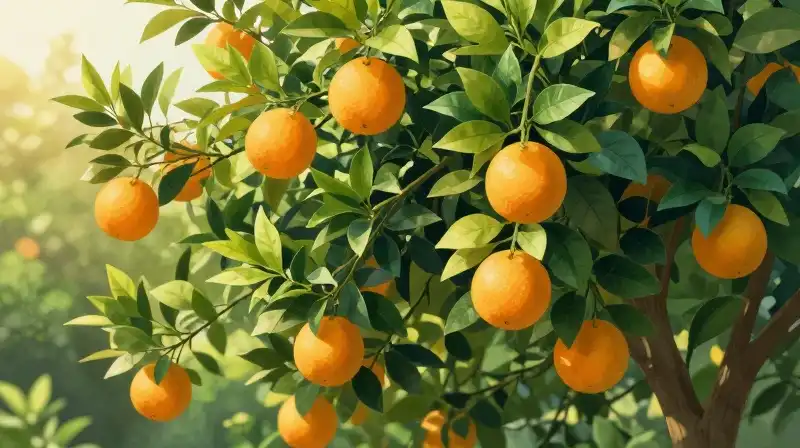
The bergamot orange (*Citrus bergamia*) is more than just a citrus fruit; it is a highly sought-after aromatic plant prized globally for its intensely fragrant rind and essential oil. While the fruit has a distinctive tangy flavor, the bergamot’s primary horticultural value lies in its aromatic profile, making it an excellent choice for home growers who appreciate culinary and perfumery ingredients. Successfully cultivating a bergamot orange tree requires specific considerations regarding light intensity, temperature sensitivity, and whether you choose to grow it in the ground or in a container.
This guide provides the practical requirements for maximizing your bergamot orange tree, focusing on the crucial need for ample sunlight and establishing the best methods for container and in-ground care.
Essential Sunlight and Climatic Requirements
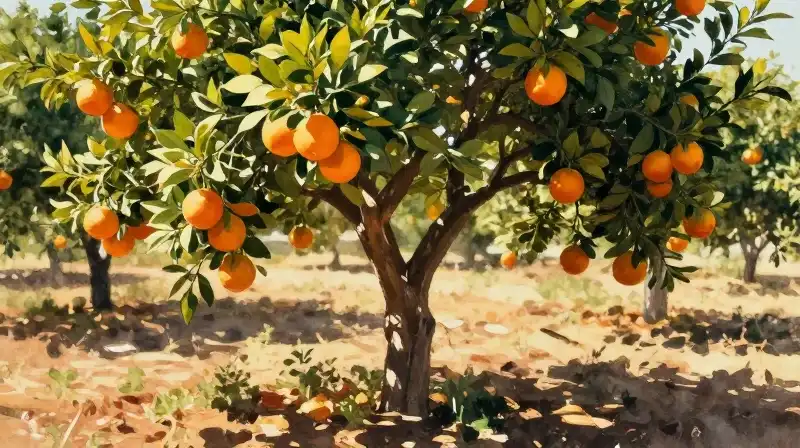
Bergamot orange trees are sun-worshippers. To thrive and produce the highest quality, most fragrant fruit, they demand significant daily light. The minimum requirement for a bergamot orange tree is at least eight hours of direct, unfiltered sunlight each day. Southern exposure is the optimal placement for achieving robust growth and consistent yield.
Unlike some hardy citrus varieties, bergamot is highly sensitive to cold. It is a tropical species native to the Mediterranean region. Any temperature below freezing can cause severe damage or death. If you are growing outside, ensure your location is adequately protected from hard frosts. For regions with cold winters, a dedicated outdoor protection strategy is necessary, or you must transition the tree to an indoor location.
Choosing the Right Growth Method: Container vs. Ground
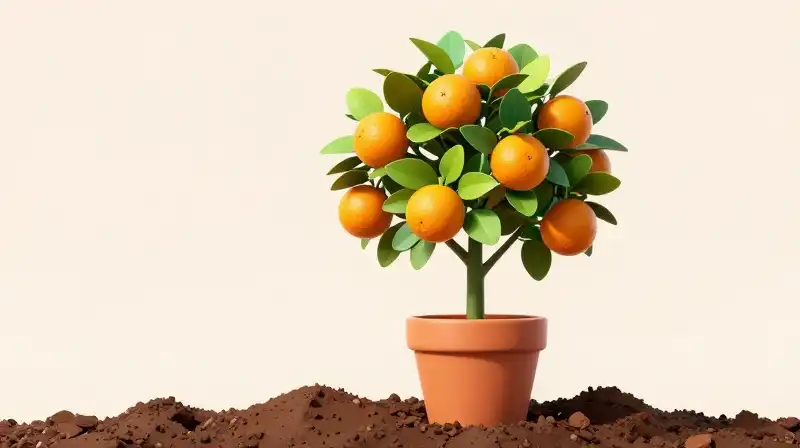
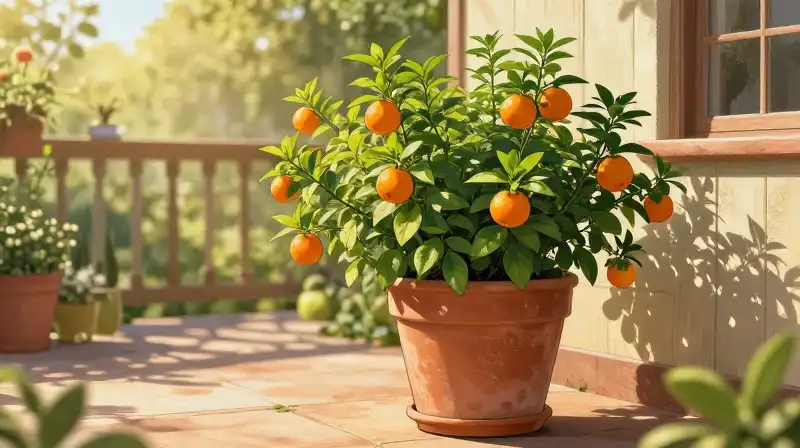
One of the advantages of the bergamot orange tree is its suitability for container growing, which allows for smaller, more manageable dimensions. The choice between a large pot and planting in the ground depends on your available space, but both require different maintenance approaches.
Container Growing Techniques
The semi-dwarf rootstocks used for bergamot are ideal for pots, making container cultivation a popular option for smaller spaces. When growing in a container, the key is to ensure the vessel is large enough to support the root system’s needs, typically allowing for drainage holes to prevent root rot.
- Size: Use a large pot appropriate for the semi-dwarf nature of the variety.
- Watering: Container plants dry out faster, necessitating frequent and thorough watering.
- Movement: If you grow in a climate that experiences cold snaps, container bergamot can be easily moved indoors during the winter.
In-Ground Placement and Spacing
If you have a substantial outdoor space, planting your bergamot orange tree directly in the ground is feasible. In these conditions, a mature semi-dwarf tree can grow up to 15 feet in both height and width, depending on the specific variety and pruning regimen.
Proper spacing is critical for both air circulation and light penetration. For a healthy, single tree planted in the ground, an 8 to 10-foot diameter area is recommended. This space allows the tree room to develop a strong root system and minimize shading of other nearby plantings. If the goal is to create a dense bush or hedge, trees can be cultivated closer together, but this increases the risk of disease and requires careful pruning.
Managing Indoors: Safety and Conditions
When outdoor protection is not available, growing the bergamot indoors by a sunny window is possible. However, indoor growing requires special caution. The plant must receive intense light—a south-facing window is preferred—but it must also be kept away from heat sources like air conditioning vents. Direct exposure to hot air can quickly damage the delicate roots of the bergamot orange tree.
A well-ventilated, bright indoor spot is the ideal choice for minimizing the risks associated with being too close to heating or cooling equipment.
Addressing Common Questions About Bergamot Citrus
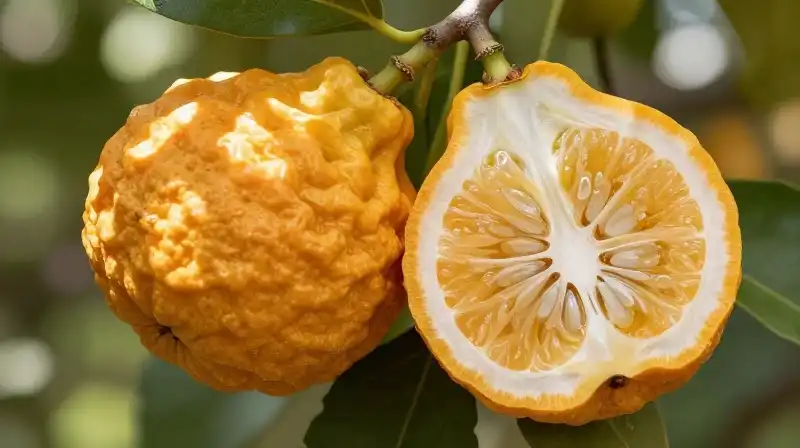
Readers often seek clarity on the specific identity of this aromatic citrus. Here, we address the most common points of confusion regarding bergamot orange cultivation.
- Can you grow bergamot citrus?
Yes, you can grow bergamot citrus, but it demands dedicated attention to sun and temperature. It is suitable for large containers or sunny, protected outdoor plots. - Are bergamot and bergamot orange the same thing?
Essentially, “bergamot orange” is the common name for the variety (*Citrus bergamia*). While there is some confusion between different ornamental and edible types, the term generally refers to the fragrant, semi-dwarf citrus cultivated for its oil.
Practical Steps for Long-Term Success and Harvest
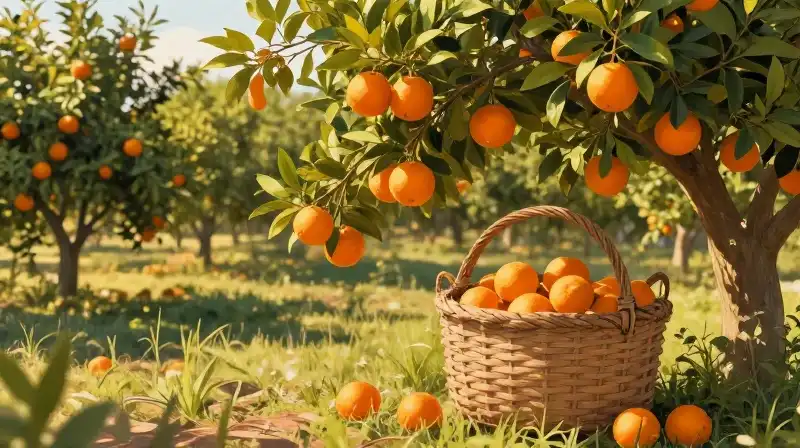
Cultivating a bergamot orange tree is a commitment to patient, careful care. Since these trees are noted for earlier bloom and production, they offer quicker rewards than some longer-maturing citrus. The primary practical cautions to remember are:
- Root Health is Primary: Whether in a pot or the ground, ensuring excellent drainage prevents root rot, which is a leading cause of failure.
- Light is Non-Negotiable: Treat the eight-hour daily sunlight minimum as a firm requirement; insufficient light will lead to spindly growth and lack of fragrance.
- Aromatic Value Over Fruit Yield: Remember that while the fruit is edible, the real payoff is often found in the aromatic rind. Harvesting the fruit at the right stage will maximize the oils’ potency.
When deciding on your growing environment, weigh the convenience of the semi-dwarf rootstocks in a container against the mature size of the in-ground version. Regardless of the method chosen, prioritizing a south-facing, frost-free, and sun-drenched location is the ultimate key to a thriving bergamot orange tree.
Frequently Asked Questions
Can you grow bergamot citrus?
Yes, you can grow bergamot citrus, but it demands dedicated attention to sun and temperature. It is suitable for large containers or sunny, protected outdoor plots.
Are bergamot and bergamot orange the same thing?
Bergamot orange is essentially the common name for the variety Citrus bergamia. The term generally refers to the fragrant, semi-dwarf citrus cultivated for its oil, though some confusion exists regarding different ornamental and edible types.
How to cultivate a bergamot orange tree
Assess Sunlight and Climate
Ensure the tree receives a minimum of eight hours of direct, unfiltered sunlight daily and maintain a location free from temperatures below freezing.
Select Growth Method
Decide between container growing (suitable for smaller spaces) or in-ground planting, considering your available space.
Implement Proper Spacing and Pot Size
If growing in a container, use a large pot with drainage holes. If planting in the ground, allow for an 8 to 10-foot diameter area for single tree growth.
Ensure Optimal Light Placement
For indoor growing, position the tree in a bright, south-facing window, while ensuring it is kept far away from direct heat sources like AC vents.
Manage Watering and Drainage
Maintain excellent drainage to prevent root rot, as this is a leading cause of failure. Note that container plants will require frequent and thorough watering.
Harvest for Maximum Aromatic Value
Remember that the primary value is the aromatic rind; harvest the fruit at the correct stage to maximize the essential oils' potency.
Related Articles