Navel Orange Tree Care: Essential Tips for Thriving Citrus

Introduction
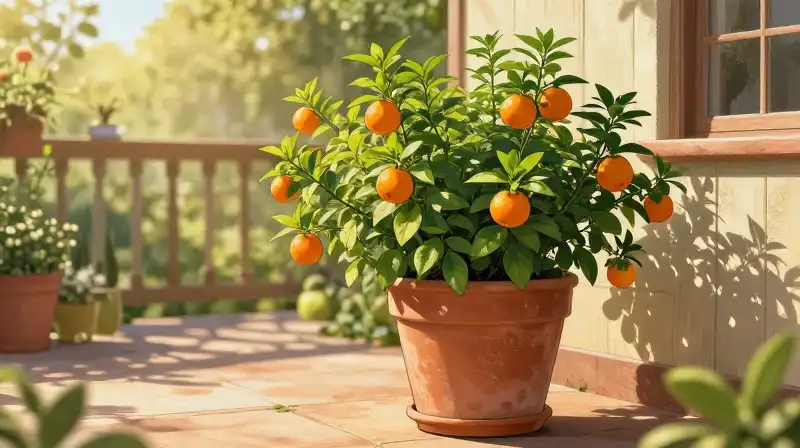
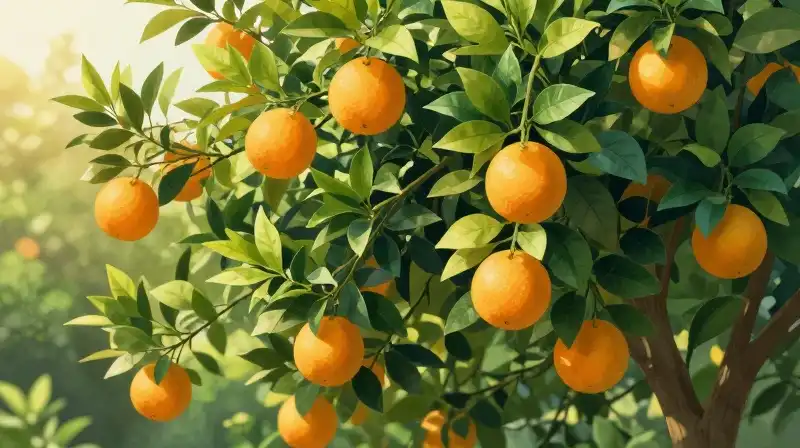
Caring for a Navel Orange Tree requires a balance of specific environmental controls and attentive, seasonal maintenance. Unlike hardy, outdoor citrus, navigating the needs of an indoor or protected Navel orange tree—a variety known for its distinctive “navel” fruit—demands attention to microclimate, soil health, and structured feeding. By following a tailored regimen, you can ensure the tree remains healthy, maximizing its potential for those characteristic juicy, seedless oranges.
Optimal Environment: Light and Location
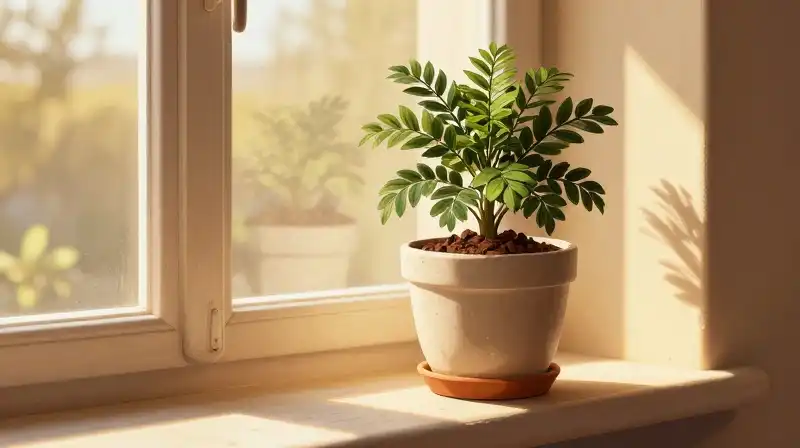
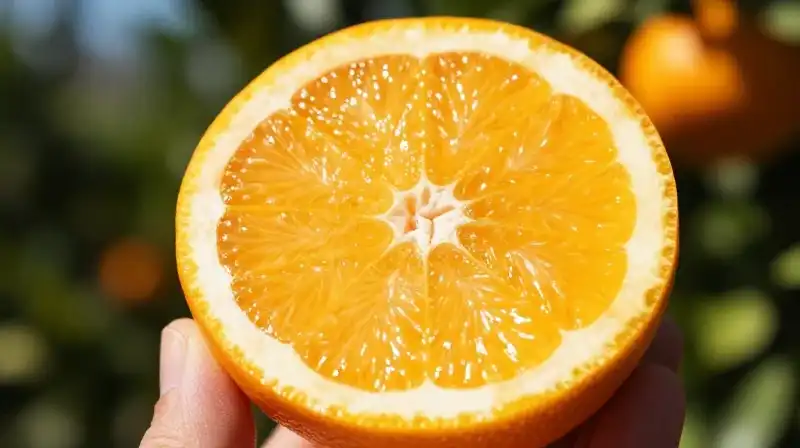 The primary requirement for a thriving Navel orange tree is direct sunlight. This is not a tree that tolerates dappled shade; it demands high light intensity to produce a robust canopy and high-quality fruit. The ideal placement should ensure the tree receives 6 to 8 hours of direct, unobstructed sunlight daily. In a home setting, this often translates to placing the pot in a bright, south-facing window or utilizing a supplemental grow light setup if natural light is insufficient. Insufficient light is the fastest way to induce stress, leading to sparse foliage and a significant drop in fruit yield.
Preparing the Root System: Soil and Potting
Because Navel orange trees are citrus, they require soil that is specifically tailored to acid-loving plants. Standard garden soil is too dense and high in alkalinity, which can inhibit nutrient uptake.
When selecting a pot and soil, consider the following practical points:
- Soil Composition: Use a specialized, well-draining potting mix for acid-loving citrus. This prevents root suffocation while ensuring the nutrients are accessible.
- Drainage is Critical: Always choose a pot with large, unobstructed drainage holes. Proper drainage prevents water from pooling around the roots, which is a frequent cause of fungal diseases and root rot.
- Pot Size: The pot should be large enough to accommodate the current root ball but should not be excessively oversized, as too much un-drained soil can hold too much moisture.
Consistent Watering Techniques
 Watering Navel orange trees must be managed to prevent over-saturation, which is a common pitfall for indoor plants. The goal is deep, thorough watering followed by a drying period.
Adopt this consistent technique:
- Timing and Frequency: Allow the top two to three inches of the soil to completely dry out before watering again. While this may typically occur on a weekly basis, environmental factors (humidity, temperature, and pot size) can vary this frequency.
- Saturation Method: When you do water, do not just give a quick sprinkle. Pour water slowly and consistently over the entire surface until it freely runs out of the drainage holes. This ensures that the entire root system is saturated and any salts that may have accumulated are flushed out.
Strategic Fertilization by Season
 Citrus trees are heavy feeders, but their nutritional needs change significantly based on the season and their metabolic rate. Fertilizing too much at the wrong time can lead to excessive, weak growth instead of nutrient-dense fruit.
Adjust your feeding schedule according to the temperature:
- Warmer Months (Spring and Summer): This is the peak growing and fruiting period. Apply a citrus-specific fertilizer once every six weeks to fuel active production.
- Colder Months (Fall and Winter): As the tree slows down its growth cycle due to cooler temperatures, nutrient demands decrease. Reduce fertilization to once every two to three months to support dormancy without stressing the plant.
Shaping and Maintenance: Pruning and Structure
 Pruning is not just about removing dead wood; it is a deliberate act of shaping the tree to optimize light penetration and nutrient flow, ensuring the main branches are the primary producers.
Follow these techniques for structural improvement:
- Targeted Removal: Systematically remove any unwanted, crossing, or dead limbs. Use a clean cutting tool to make cuts at a 45-degree angle, just above a branch node, to promote rapid healing.
- Canopy Thinning: Thin the overall canopy periodically. This allows essential sunlight to reach the inner leaves and encourages more robust, outward growth instead of scraggly, inward growth.
- Clearing the Base: Aggressively remove “suckers”—any growth sprouting from the base or trunk. These suckers draw nutrients away from the main, fruit-producing branches.
Maximizing Harvest: Pollination Insights
While Navel orange trees are typically self-fertile and will naturally produce fruit, the conditions in indoor or highly protected environments can sometimes reduce successful pollination.
If your tree is struggling to produce fruit despite optimal light and feeding, consider manual pollination. Using a fine, dry paintbrush or a gentle q-tip, you can lightly tap or brush the center of the blooming flowers. This mimics the effect of insect visitation and aids in the successful fertilization of the blossoms.
Navel Orange Care Synthesis
 Successful Navel orange tree care hinges on consistency and environment. The “navel” fruit is a mutation that requires specific conditions—most importantly, a high-light intensity and consistently acidic soil—to reach its potential. While no process is entirely foolproof, prioritizing deep watering cycles, seasonal fertilizing, and structured pruning will clarify the tree’s energy flow. Remember, the goal is not rapid growth, but robust, balanced growth dedicated to high-quality fruit production. If the plant appears stressed or growth stalls, reassess your sunlight and soil drainage before adjusting nutrient intake.
Caring for a Navel Orange Tree
Provide Optimal Light and Location
Place the tree where it receives 6 to 8 hours of direct, unobstructed sunlight daily, such as a bright, south-facing window or using a supplemental grow light.
Prepare Root System and Potting
Select a pot with large, unobstructed drainage holes and use a specialized, well-draining potting mix suitable for acid-loving citrus.
Manage Watering Techniques
Allow the top two to three inches of the soil to completely dry out before watering. When watering, pour slowly over the entire surface until it freely runs out of the drainage holes.
Schedule Seasonal Fertilization
During warmer months (Spring and Summer), apply a citrus-specific fertilizer once every six weeks. Reduce fertilization to once every two to three months during colder months.
Shape and Prune the Canopy
Systematically remove unwanted, crossing, or dead limbs using a clean cutting tool, and thin the overall canopy to allow essential sunlight to reach inner leaves.
Maintain Tree Structure
Aggressively remove all suckers (growth sprouting from the base or trunk) to ensure nutrients are directed toward the main fruit-producing branches.
Related Articles