Wurtz Avocado Tree Guide: Planting, Care, and Maintenance Tips

Introduction
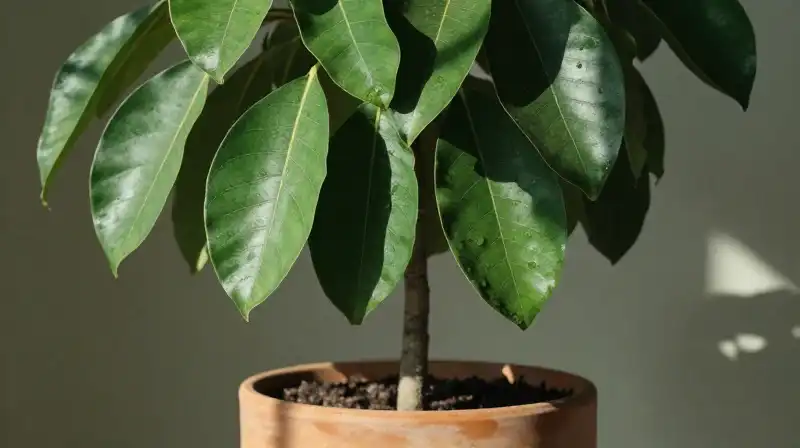
The Wurtz avocado tree, known interchangeably as the Little Cado, is a specialized dwarf cultivar of avocado prized for its compact size and relatively consistent fruiting. If you are planning to grow this variety, understanding that it requires specific environmental conditions and meticulous planting techniques is essential for success. This guide outlines everything from initial site selection and addressing challenging soil types to consistent care and maintenance, ensuring your Wurtz avocado reaches its peak potential in a home or small garden setting.
Identifying the Wurtz Little Cado Characteristics
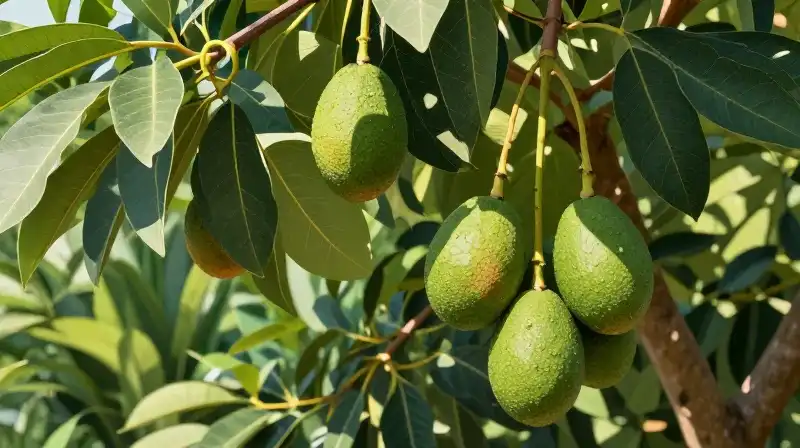 The Wurtz Little Cado is a specific variety developed in Southern California, cross-breeding Mexican and Guatemalan characteristics. Unlike many large, sprawling avocado varieties, the Wurtz is inherently compact, typically reaching a mature height of only 8 to 10 feet. This makes it an ideal choice for urban spaces, patios, and limited garden plots. The tree exhibits several key traits that guide its care:
- Growth Habit: It is a true dwarf variety, thriving in constrained spaces without excessive pruning.
- Fruiting Cycle: It is one of the few avocado varieties known to be true self-pollinating and capable of fruit production year-round, regardless of seasonal changes.
- Fruit Appearance: The fruit is generally small to medium-sized, characterized by dark green, pebbly skin and a creamy, flavorful pulp.
- Temperature Preference: It thrives in warm climates and is best suited for USDA growing zones 9 through 11, requiring protection from hard freezes.
Preparing Your Growing Environment
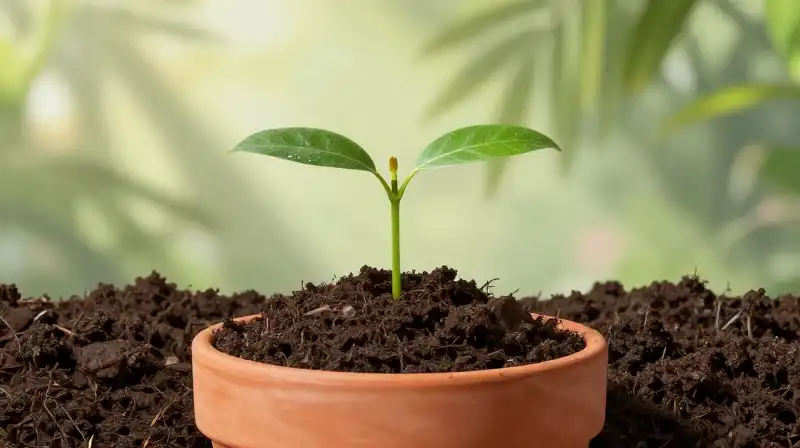 Success with the Wurtz avocado depends heavily on site preparation, focusing primarily on solar exposure and exceptional drainage.
Sunlight and Climate Assessment
The tree demands a high level of daily sunlight. A minimum of 6 to 8 hours of direct sun daily is necessary for robust growth and optimal fruiting. Because avocado trees are highly susceptible to heat stress and damage during establishment, the initial planting process requires careful attention to sun transition.
Optimal Soil Composition and Drainage
Avocados, including the Wurtz variety, perform poorly in heavy, compacted clay soils, which often lead to root rot. The best scenario is a soil mix that is consistently well-draining and maintains a slightly acidic to neutral pH. If you are working with heavy clay conditions, constructing a planting mound is the recommended method to prevent waterlogging:
- The Mound: Build a mound using a well-draining mix of sand, compost, and fine mulch.
- Dimensions: This mound should be constructed to be wider than six feet and taller than the original depth of the tree pot you are transplanting.
- Planting Depth: When digging the planting hole, ensure the hole’s depth matches the depth of the tree pot. Critically, never plant the tree deeper than the surrounding soil level, and avoid piling soil directly against the trunk to mitigate the risk of fungal activity or rot.
Strategic Planting and Acclimation Techniques
Moving a tree, especially into a new environment, requires a graceful transition to prevent environmental shock.
The Acclimation Period for Outdoor Planting
When establishing the Wurtz avocado outdoors, begin with a critical acclimation phase. For the first one to two weeks after planting, position the tree in indirect sunlight near the house or another structure. This prevents the tree from immediately experiencing the intense, damaging heat of direct full sun while its roots establish themselves in the new soil. Following this initial period, you must gradually transition the tree to its permanent location where it will receive at least eight hours of direct full sun daily. Using protective methods like tree paints or foliar sprays can help reduce the stress caused by intense sunlight during this vulnerable phase.
Sustaining Growth and Fruit Production
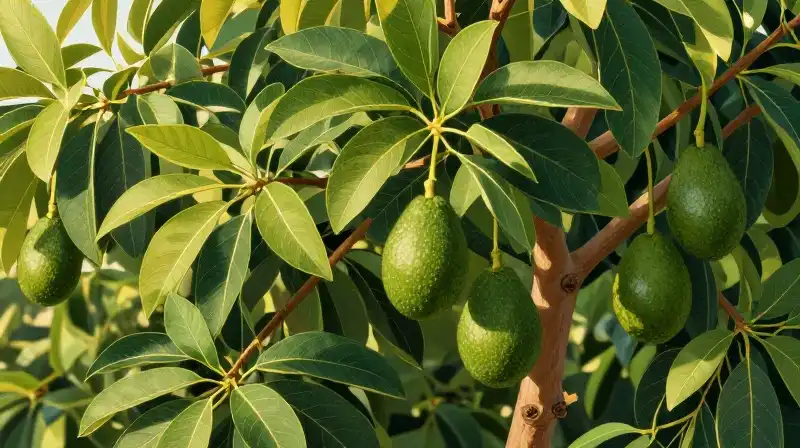 Consistent maintenance is required to ensure the Wurtz avocado remains healthy and productive over the long term.
Watering and Humidity Management
Maintain a consistent watering schedule. The soil must be kept consistently moist, but the risk of overwatering is high in clay-heavy soils, so always ensure the ground is not waterlogged. Deep, infrequent watering is generally more effective than frequent, shallow sips, allowing the roots time to grow into the surrounding soil.
Fertilizing and Pruning
To support consistent fruiting, feeding is necessary, particularly in the early seasons. Use a high nitrogen fertilizer during the growing phase. Pruning is required, but the Wurtz benefits from light pruning in early spring to maintain its compact shape and encourage proper air circulation, which reduces disease risk.
Pest and Health Monitoring
Regular inspection is required to monitor for common avocado pests, including aphids, mites, and caterpillars. Early identification and treatment of these pests are key to maintaining tree health.
Managing Environmental Risks While the Wurtz tree is robust, it is not invincible. Managing climate-specific risks is crucial for long-term survival.
Addressing Frost and Cold Climates
Avocados are sensitive to cold. If you live in a region where temperatures regularly drop below 32°F, frost protection is non-negotiable. Depending on the severity of the cold, you may need to wrap the trunk, provide heavy mulching, or, in severe cases, plan to grow the Wurtz tree indoors during the winter months.
Pollination and Companion Planting
While the Wurtz avocado is a true self-pollinating plant, the production volume and fruit quality are significantly enhanced if you plant another avocado tree nearby. This practice can boost overall yield and vigor.
Summary of Cultivation Success Criteria
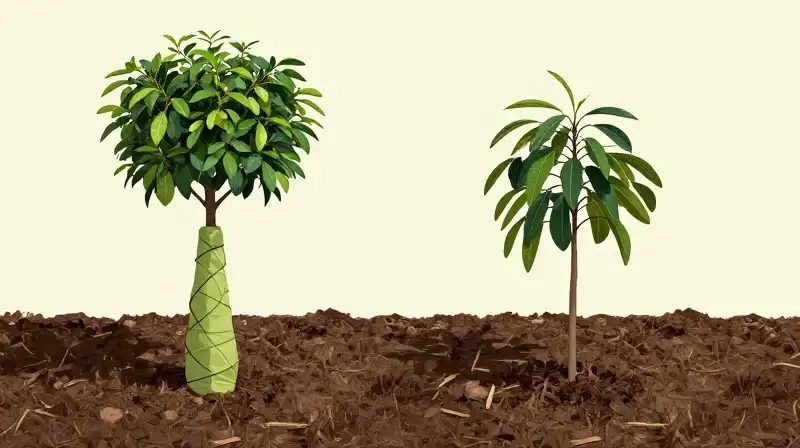 To successfully cultivate a Wurtz avocado tree, focus on these three priorities: ideal placement, meticulous soil preparation, and consistent moisture management. Because the Wurtz is a dwarf variety suited for urban settings, maximize your environment’s benefits by selecting a spot with proven, unobstructed full sun. If your native soil is heavy clay, building an elevated, well-drained planting mound is the single most important step in preventing early root damage and ensuring a high-yield, healthy harvest.
Frequently Asked Questions
Are Wurtz avocados self-pollinating?
Yes, the Wurtz avocado is a true self-pollinating plant. It is one of the few varieties capable of fruit production year-round and is a specialized dwarf cultivar.
How to Cultivate a Wurtz Avocado Tree
Assess Site Requirements
Ensure the chosen location receives a minimum of 6 to 8 hours of direct sunlight daily and is in a warm climate (USDA zones 9-11), protecting it from hard freezes.
Prepare Soil and Drainage
Avoid heavy clay soils; if working with clay, construct a planting mound that is wider than six feet and taller than the pot depth using a well-draining mix of sand, compost, and fine mulch.
Plant the Tree
Dig a planting hole to match the depth of the tree pot, ensuring the tree is not planted deeper than the surrounding soil and avoiding piling soil against the trunk.
Acclimate Outdoors
For the first one to two weeks after planting, position the tree in indirect sunlight near a structure to prevent environmental shock before transitioning it to its permanent location.
Transition to Full Sun
Gradually move the tree to its permanent, sunny location over several weeks, utilizing protective measures like tree paints or foliar sprays to reduce stress during the initial high-heat exposure.
Manage Water and Soil
Maintain a consistent watering schedule, keeping the soil consistently moist but ensuring it is not waterlogged; utilize deep, infrequent watering rather than shallow sips.
Maintain and Prune
Use a high nitrogen fertilizer during the growing phase to support fruiting, and perform light pruning in early spring to maintain a compact shape and encourage air circulation.
Related Articles