How to Grow Japanese Cucumber Plants: Care and Harvest

Introduction
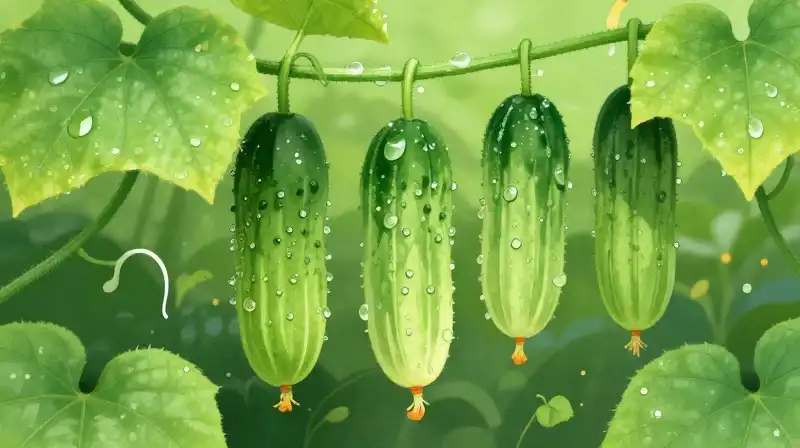
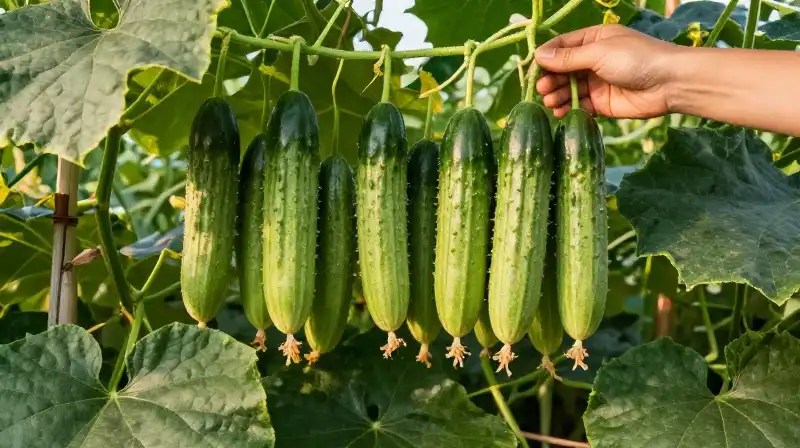
Japanese cucumber plants are prized for their slender, long, and thin-skinned fruits, which are often naturally burpless and crisp. While they are a straightforward crop to cultivate, achieving the optimal quality—sweet flavor, perfect texture, and vigorous growth—requires attention to specific environmental triggers and plant support. This guide details how to grow Japanese cucumber plants, from the specific soil preparation needed to the optimal timing for harvesting, ensuring you maximize yield and flavor.
Timing and Site Preparation
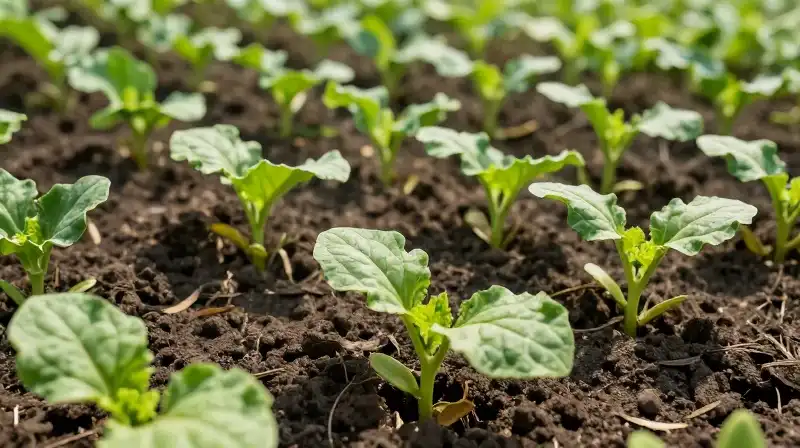 Starting your Japanese cucumber plant must be timed carefully to avoid late frost damage, as they are warm-season crops. Outdoor planting should only begin once nighttime temperatures consistently exceed 50°F (10°C). Planting too early exposes delicate seedlings to cold stress, which can slow development significantly. The planting area requires deep, organic enrichment. Cucumber plants are heavy feeders, and Japanese varieties thrive when their roots can easily access nutrients. To amend the soil, thoroughly incorporate high-quality organic matter. Use aged manure or well-rotted compost to improve soil structure, enhance drainage, and provide a steady supply of nitrogen necessary for robust vine growth.
Planting, Spacing, and Initial Thinning
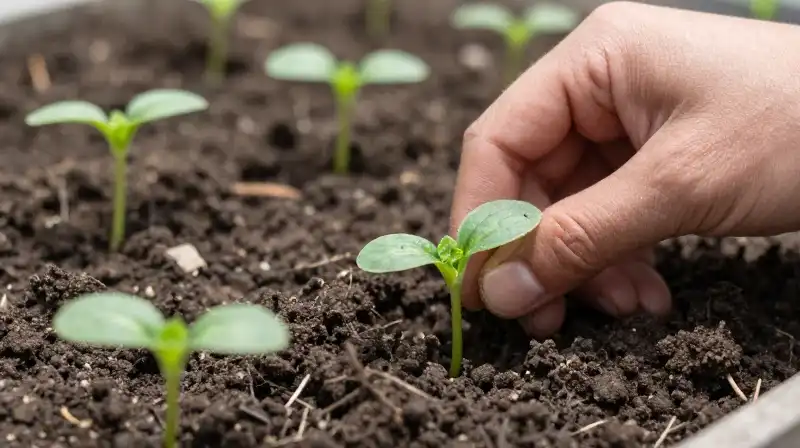 When it comes to seeding, optimal density is important, but controlled growth is vital. Begin by sowing seeds in groups of two to three seeds. For proper air circulation and eventual single-plant dominance, ensure these groups are spaced no closer than 18 inches apart. Each individual seed should be planted approximately 1 inch deep into the prepared soil. After the initial germination, actively monitor the seedlings. When the young plants reach about two inches in height, thinning is essential. Carefully remove the weaker seedlings, leaving only one strong plant per group. This step ensures the remaining cucumber plants have adequate resources and space to develop into high-quality, mature specimens.
Optimal Support and Vertical Cultivation
Japanese cucumber plants, known for their vigorous vines, require structural support early in their development. Employ robust vertical supports or utilize individual cages to guide the plants upward. Training the vines vertically provides several crucial advantages: * **Disease Prevention:** Elevating the foliage keeps it away from moist soil, minimizing the risk of common fungal diseases. * **Improved Airflow:** Better airflow reduces humidity around the plant, promoting healthier fruit development. * **Fruit Quality:** Directed growth often leads to better light exposure, which can enhance flavor and texture.
Water Management and Plant Care
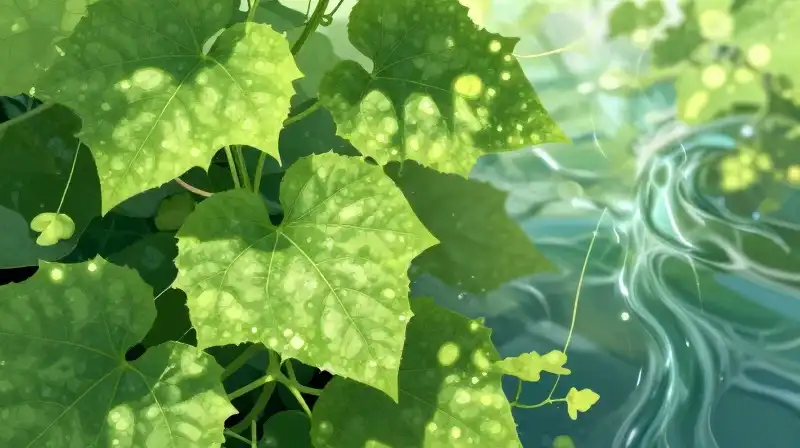 Consistent and sufficient moisture is critical for developing sweet, high-quality fruit. Japanese cucumber plants demand reliable watering throughout the entire growing season. However, precision is key; avoid both periods of excessive dryness and prolonged soaking. Overwatering can lead to nutrient leaching and root rot. To prevent plant stress and pests, specific care techniques are required:
- Mulching: Apply a layer of organic mulch around the base of the plants to conserve soil moisture and maintain a stable soil temperature.
- Bird Protection: To safeguard young, tender seedlings from bird predation, use specialized plastic berry baskets placed directly over the growing area.
- Nutrient Supply: As the plant sets fruit, consider supplementing with a balanced, gentle fertilizer to sustain the high energy demand of vine production.
The Harvest Process and Ripening
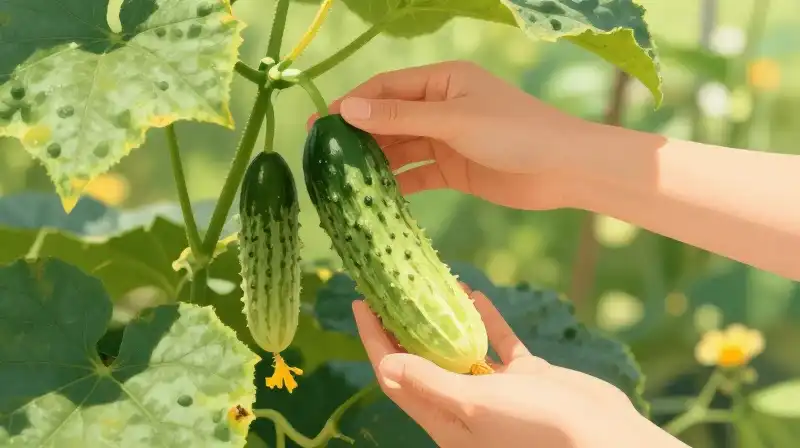 Japanese cucumbers are ready for consumption immediately upon reaching their ideal size and shape; they do not require peeling. Harvesting should be initiated before the seeds inside the fruit have become fully developed and hard. This timing ensures the fruit retains its crisp texture and peak flavor. For maximum yield, adopt a consistent harvesting routine. Collecting the fruits every few days encourages the plant to dedicate more energy to producing new, continuous crops rather than exhausting itself on a few large fruits. Upon picking, consume the cucumber within one to two days to guarantee the best possible flavor and quality.
Final Steps: Sustaining Quality and Yield
Successful cultivation of a Japanese cucumber plant depends on managing its growth trajectory from the outset. Key factors to ensure peak quality include:
- Patience with Temperature: Only plant when overnight temperatures remain above 50°F.
- Aggressive Thinning: Maintain proper spacing by thinning seedlings when they reach two inches in height.
- Vertical Training: Utilize strong supports to maximize air circulation and protect the fruit.
- Consistent Hydration: Provide steady moisture while avoiding the detrimental effects of waterlogged or severely dried-out conditions.
By prioritizing these practical steps, you move beyond merely growing a cucumber and ensure you are cultivating a quality Japanese heirloom known for its slender, crisp, and flavorful profile.
Frequently Asked Questions
How to take care of a Japanese cucumber plant?
Begin planting only when nighttime temperatures consistently exceed 50°F in deep, organic soil, and provide robust vertical supports to maximize airflow. Throughout the growing season, maintain consistent moisture and apply organic mulch while thinning seedlings to ensure adequate spacing.
How to Grow Japanese Cucumber Plants
Determine Planting Time
Wait until nighttime temperatures consistently exceed 50°F (10ÀC) to ensure the plants are not exposed to damaging late frosts.
Prepare the Soil
Incorporate high-quality organic matter, such as aged manure or well-rotted compost, into the planting area to enhance drainage and provide nitrogen.
Sow Seeds
Begin by sowing seeds in groups of two to three, spacing these groups no closer than 18 inches apart, with each individual seed planted about 1 inch deep.
Thin Seedlings
When young plants reach about two inches in height, remove the weaker seedlings, leaving only one strong plant per group to ensure adequate resources.
Provide Vertical Support
Install robust vertical supports or individual cages to guide the vigorous vines upward, which aids in disease prevention and airflow.
Maintain Hydration and Protection
Apply organic mulch to conserve soil moisture and use specialized plastic berry baskets to protect young seedlings from bird predation.
Apply Ongoing Care
Maintain consistent watering throughout the season, supplementing with balanced fertilizer once the plant begins setting fruit.
Related Articles