Tifblue Blueberry Guide: Care, Height, and Cultivar Traits

Introduction
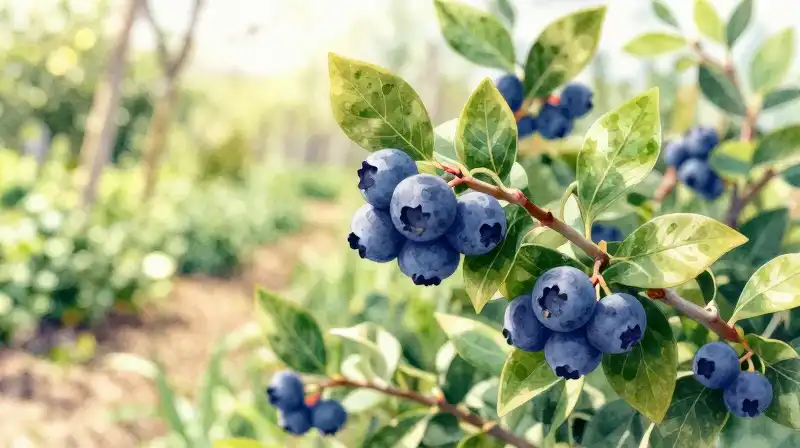
The Tifblue is a highly regarded rabbiteye blueberry cultivar known for its robust nature, flavorful berries, and dependable production. As an edible fruit shrub, it serves as an excellent choice for gardeners seeking low-maintenance, high-quality blueberries in certain climates. If you are looking to cultivate a productive blueberry bush that can withstand heat and humidity while offering a reliable, high-quality harvest, Tifblue is a top contender. This guide details the specific traits of Tifblue, covering its preferred growing conditions, mature size, and critical limitations to ensure your planting decision is informed and successful.
Understanding Tifblue Cultivar Traits
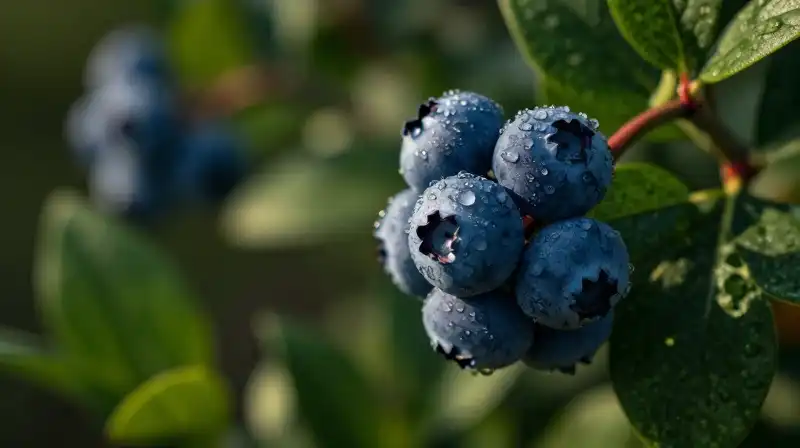
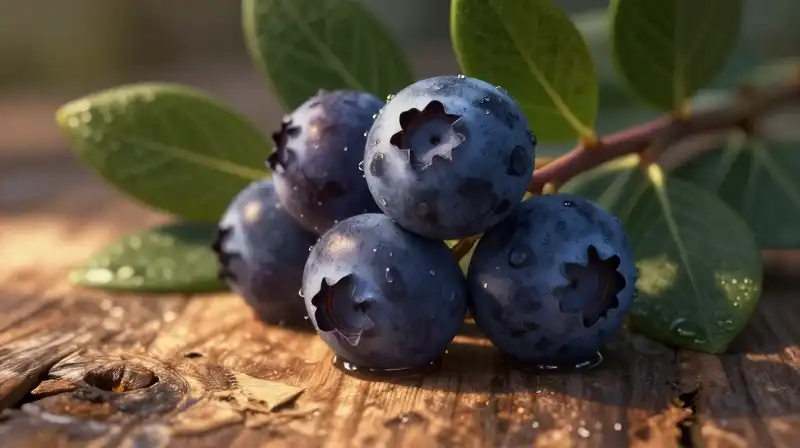
The Tifblue is specifically valued for the quality of its fruit and its hardiness. It is self-fertile, meaning it does not require cross-pollination with a different variety to produce a crop, which significantly simplifies the planting process. The berries are light blue, very large, and possess an excellent flavor profile, making them ideal for fresh consumption or use in baking and preserves. According to market data, the Tifblue shrub can begin producing large, quality fruit as early as 2 to 4 years after planting.
Size and Growth Pattern
A common concern for new gardeners is the final size of a shrub. Tifblue blueberries typically grow to heights between 5 and 10 feet, depending heavily on the local climate, available pruning, and growing conditions. Unlike some smaller ground-cover varieties, Tifblue matures into a substantial, vigorous shrub.
Harvest and Ripening Timeline
The fruit development for Tifblue follows a predictable seasonal pattern. Ripening typically begins in July, though the exact timing can shift slightly based on specific local climate variations and growing conditions. The berries have a good shelf life, making harvest and storage more manageable.
Optimal Growing Conditions and Care
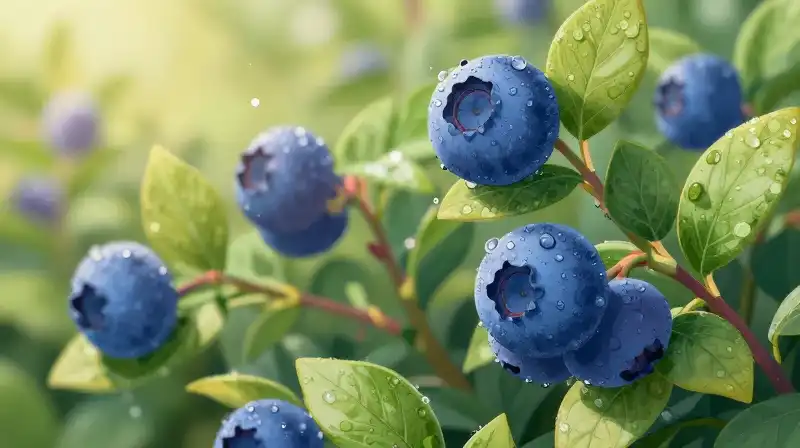
Tifblue thrives when its specific environmental needs are met. It is an acid-loving shrub, and its preference for soil quality and sun is non-negotiable for maximum yield.
Sunlight and Temperature Tolerance
The plant requires full sun to achieve its best development, though it can tolerate some limited shade. One of Tifblue’s most significant advantages is its excellent tolerance for adverse weather, including high heat, humidity, and drought—all common challenges in warmer growing regions.
Soil Requirements
Blueberries are sensitive to soil chemistry and drainage. Tifblue requires well-drained, acidic soil that is rich in organic matter. High organic content helps retain necessary moisture while preventing the soil from becoming waterlogged. Because of the shrub’s robust health, Tifblue demonstrates good inherent resistance to most common pests and diseases, reducing the need for intensive pest management.
Limits and Practical Challenges: What to Avoid
While Tifblue is highly resilient, it is not immune to challenges. Understanding these limitations is essential to prevent plant failure and manage expectations.
The Danger of Poor Drainage
Tifblue exhibits poor resistance to conditions where the soil remains wet or waterlogged. Prolonged exposure to excessive moisture or inadequate drainage is a critical failure point for this variety, as the roots require proper aeration to function. Ensuring your beds have excellent permeability is vital.
Wildlife and Environmental Risks
Gardeners must be aware of two specific areas where Tifblue can struggle:
- Deer Browsing: The shrub demonstrates poor resistance to browsing by deer or other local wildlife. Physical barriers, such as fencing, are often necessary.
- Salinity: It has fair salt tolerance, meaning large concentrations of salt in the soil or water can impact the plant’s health and ability to produce fruit.
Decision Criteria for Purchasing Tifblue Blueberry Plants
When selecting Tifblue plants or planning a planting project, certain criteria should guide your decision, particularly for those searching for tifblue blueberry plants for sale.
Climate Suitability Checklist
Before purchasing, verify that your region falls within the suitable growing zones. Tifblue is best suited for climate zones 6 through 9. If your zone is colder or warmer than this range, its resilience will be severely tested.
Evaluation of Low-Maintenance Claims
Tifblue is widely considered a low-maintenance plant under proper conditions. However, “low-maintenance” does not mean “no-effort.” Success hinges on providing the correct soil—highly acidic and organic—and ensuring the drainage is always optimal. If you do not provide these fundamentals, even a resilient cultivar like Tifblue will struggle.
Conclusion: Ensuring a Bountiful Harvest
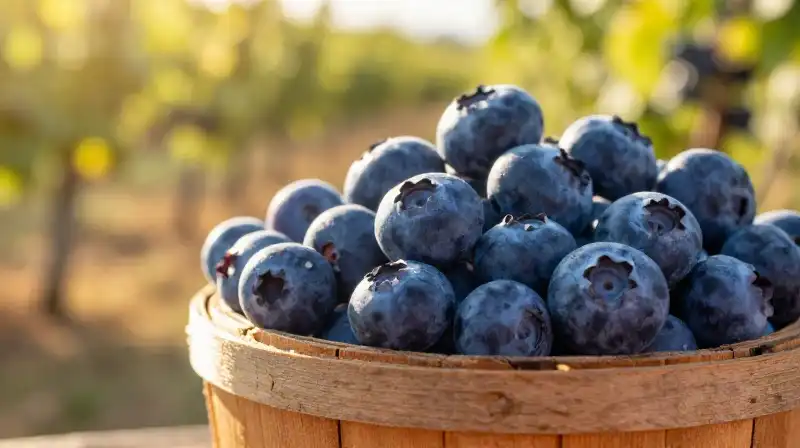
Tifblue blueberry is a high-performance cultivar that offers excellent edible quality, reliable yields, and strong tolerance to heat and drought. Its self-fertile nature and resistance to common pests make it an efficient choice for many gardeners. To guarantee a successful Tifblue harvest, focus your attention on two key areas: providing consistently acidic, highly organic, and exceptionally well-drained soil, and protecting the shrub from environmental extremes like prolonged water saturation or local wildlife like deer. By addressing these specific requirements, you maximize the plant’s innate hardiness and ensure a consistent supply of high-quality fruit.
Frequently Asked Questions
How tall do tifblue blueberries get?
Tifblue blueberries typically grow to heights between 5 and 10 feet. This final size depends heavily on local climate, available pruning, and growing conditions.
Related Articles