Choosing Chandler Blueberries: Traits, Size, and Care Tips

Introduction
The Chandler blueberry stands out in the berry cultivation landscape, valued specifically for its large fruit size and rich, complex flavor profile. Often desired by home gardeners and commercial growers alike, understanding the specific needs and traits of this particular cultivar—a variety of Vaccinium corymbosum—is crucial for successful planting. Chandler blueberries are not just another bush; they are a specific crop that performs best when matched to precise environmental and horticultural conditions. This guide provides the detailed insights necessary to assess if Chandler blueberries are right for your garden and how to ensure they reach their full potential.
Key Traits of the Chandler Blueberry
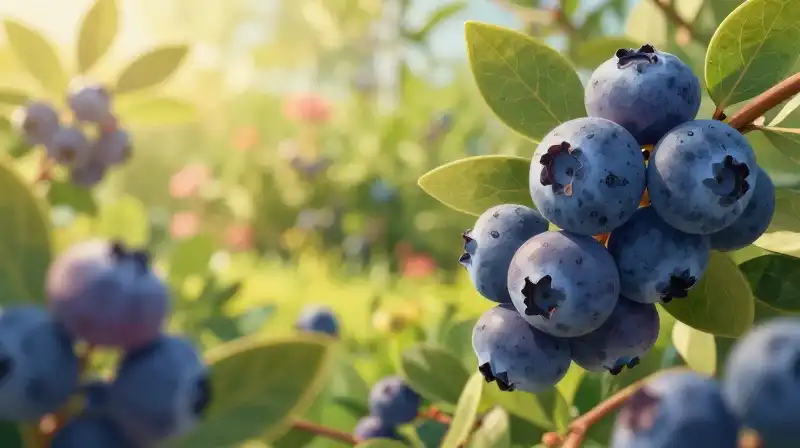
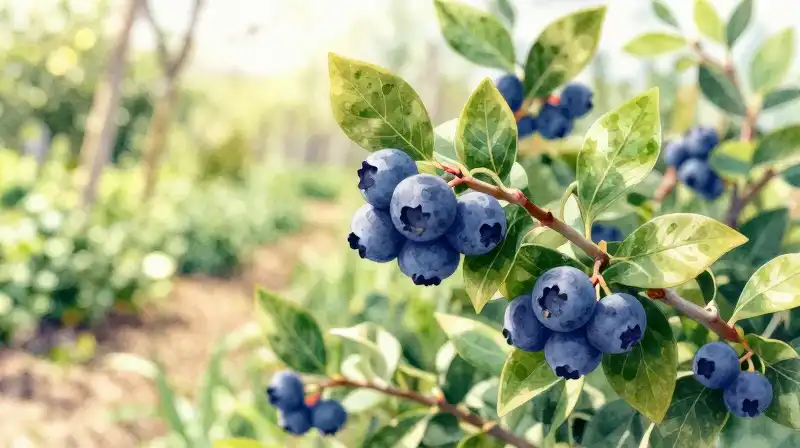
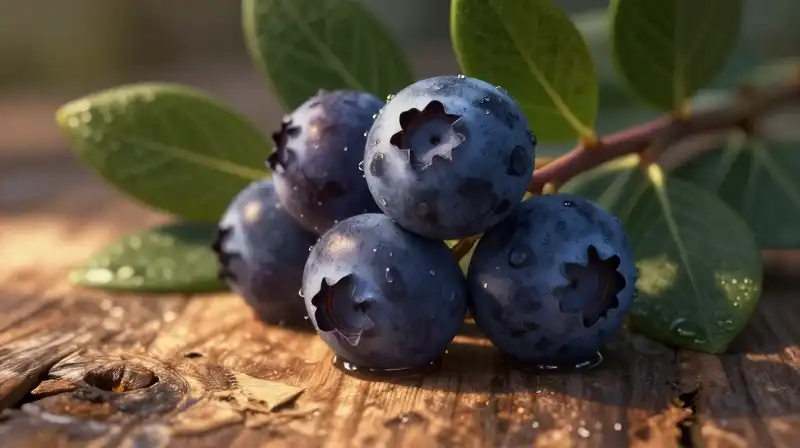
What makes Chandler blueberries unique? It is primarily the combination of fruit size and flavor development. While many varieties produce small, delicate berries, the Chandler cultivar is recognized for yielding larger fruit, ranging in size from a nickel to a quarter. The flavor profile is often described as having a satisfying balance of sweet and tart, mimicking the taste of wild berries.
Another defining characteristic is its extended harvest window. Unlike some early-fruiting bushes, Chandler blueberries offer a prolonged harvest period that can last up to six weeks. This extended availability allows gardeners to enjoy the fruit over a longer portion of the season, with the berries tending to become notably sweeter in the later stages of maturity.
Growth Profile and Physical Size
When considering planting, many people ask, “How big do Chandler blueberry bushes get?” The size of the Chandler variety is generally robust. A fully mature, healthy plant is expected to reach a substantial size, providing a generous framework for fruit production. However, size alone is not the ultimate measure of success; proper pruning and space management are key to keeping the bush healthy and highly productive.
The maturity timeline for the Chandler blueberry is a practical consideration for gardeners. While the plants will establish themselves quickly, they typically require approximately three years to reach full maturity and begin producing a significant, reliable yield. This ensures that the grower is committed to the long-term potential of the investment.
Ideal Growing Conditions and Temperament
Success with Chandler blueberries is heavily reliant on selecting the correct microclimate and site preparation. These bushes thrive in specific environmental ranges.
Hardiness Zones and Chill Hours
The Chandler blueberry is generally recommended for growing in Hardiness Zones 5 through 8. Beyond the basic zone requirement, successful establishment depends on adequate winter chill hours, a vital necessity for the plant to correctly cycle and initiate spring bloom. Planting them outside of these recommended zones significantly increases the risk of stunted growth or failure.
Soil and Maintenance Requirements
Blueberries require highly acidic soil to thrive, which dictates the necessary amendments before planting. Proper watering and diligent care are essential for sustaining the shrub’s health and supporting the nutrient demands of the fruit. Furthermore, the plant must be protected from external elements, such as severe weather or accidental animal damage, to ensure continuous development.
Cultivating Success: Care and Maintenance Tips
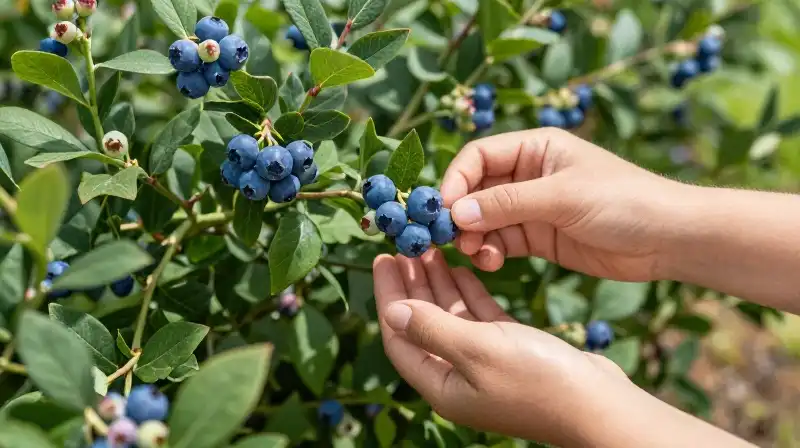
The difference between a struggling bush and a highly productive Chandler blueberry plant often comes down to meticulous care. Follow these guidelines to prevent common horticultural errors.
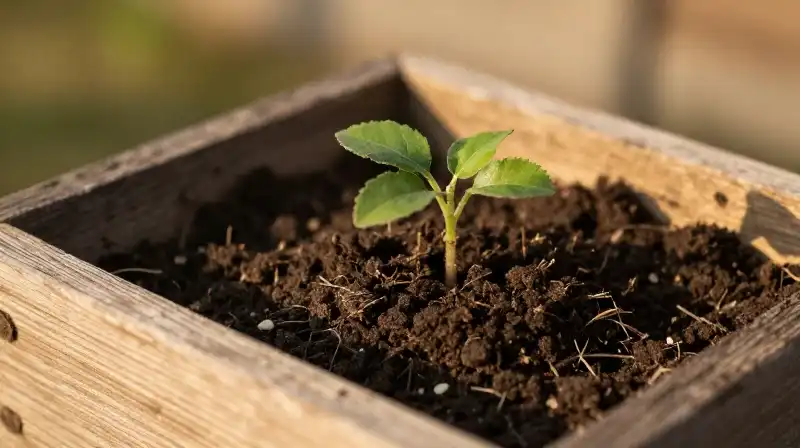
- Planting Depth: Always plant the tree at the correct depth. Improper depth is a leading cause of initial planting failure and root stress.
- Water Management: Consistent, deep watering is required, particularly during the establishment phase and throughout the growing season, as berries require moisture for optimal flavor development.
- Structural Protection: Protect the plants from pests and environmental stressors. Creating a protective barrier against animals, for example, safeguards the investment in the bush.
- Nutrient Support: While acidic soil is the foundation, regular fertilization tailored to blueberry needs will support a heavy, sustained fruit load.
Yield and Harvest Expectations
For those assessing the potential return of the Chandler blueberry, expectations should be set based on typical mature yields. A fully developed plant, when cared for correctly, can provide a substantial harvest, often yielding approximately 15 pounds of fruit per year. This substantial yield justifies the care required to maximize the plant’s potential.
The best quality, most intense flavor is achieved when the berries are picked fresh from the bush. The sweetness increases as the harvest progresses, so monitoring the fruit ripening process allows the grower to time the harvest perfectly for peak flavor, whether for immediate consumption or for use in preserves and baked goods.
Finalizing Your Selection: Practical Considerations
Deciding on the Chandler blueberry involves weighing its extended harvest and superior size against its specific environmental demands. To ensure a successful long-term outcome, remember that success is conditional on strict adherence to proper horticultural practice.
The most crucial takeaways for the gardener are: verify your growing zone (5-8), commit to establishing a highly acidic soil base, and ensure careful planting depth. By understanding that the Chandler blueberry rewards consistent, specialized care, you can secure a sustained supply of large, flavorful fruit for many years.
Frequently Asked Questions
How big do Chandler blueberry bushes get?
The size of the Chandler variety is generally robust, and a fully mature, healthy plant is expected to reach a substantial size to provide a generous framework for fruit production.
What makes Chandler blueberries unique?
Chandler blueberries are unique because of their large fruit size, ranging from a nickel to a quarter, and their rich, complex flavor profile. They also feature an extended harvest window of up to six weeks, with the berries becoming notably sweeter as they reach maturity.
How to cultivate and maintain Chandler blueberry bushes
Verify planting depth
Always plant the tree at the correct depth. Improper depth is a leading cause of initial planting failure and root stress.
Manage water consistently
Provide consistent, deep watering, especially during the establishment phase and throughout the growing season, as berries require moisture for optimal flavor development.
Provide structural protection
Protect the plants from pests and environmental stressors, such as creating a barrier against animals, to safeguard the investment in the bush.
Ensure nutrient support
While acidic soil is the foundation, apply regular fertilization tailored to blueberry needs to support a heavy, sustained fruit load.
Related Articles