Apple Seedling Growth Guide: Planting and Care Tips
Introduction
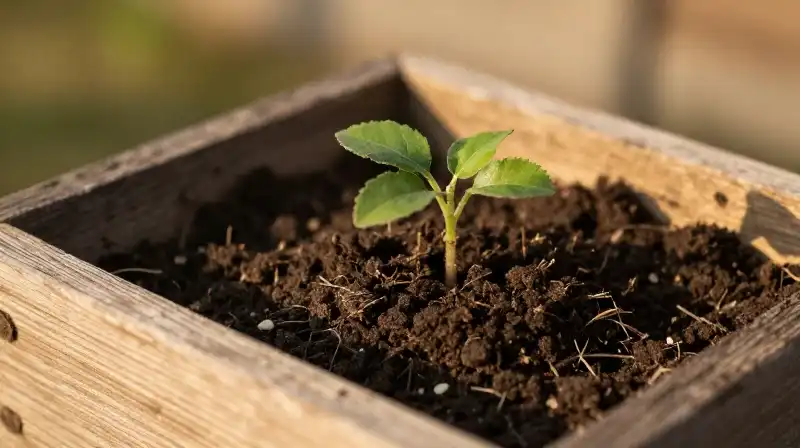
To successfully begin the life cycle of an apple tree, starting with a seedling is a rewarding process that requires careful attention to early preparation and maintenance. Growing an apple seedling from a seed requires more than simply placing a seed in dirt; it involves creating an optimal environment and managing the water cycle to ensure germination and steady growth. The critical first steps involve gathering the necessary tools and preparing the soil to ensure the seed has a clean, conducive starting point.
Essential Tools and Materials for Planting
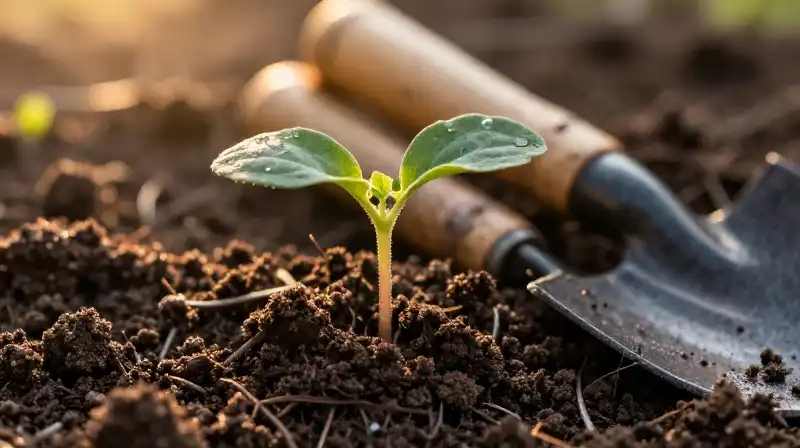 Before any planting can occur, all equipment must be organized. Having the correct tools simplifies the process and reduces the risk of damaging the delicate seed or the container. Every component plays a role, from the initial soil filling to the watering tools.
- Apple Seed: The organic starting material.
- Plant Pot: A container with drainage holes is highly recommended.
- Gardening Trowel: Necessary for mixing soil and preparing the planting hole.
- Watering Can: Essential for initiating and maintaining the growth cycle.
- Farming Patch: The designated area where the final or intermediate planting will occur.
- Rake: Used to level and prepare the surrounding soil in the farming patch before planting.
The Preparation and Planting Process
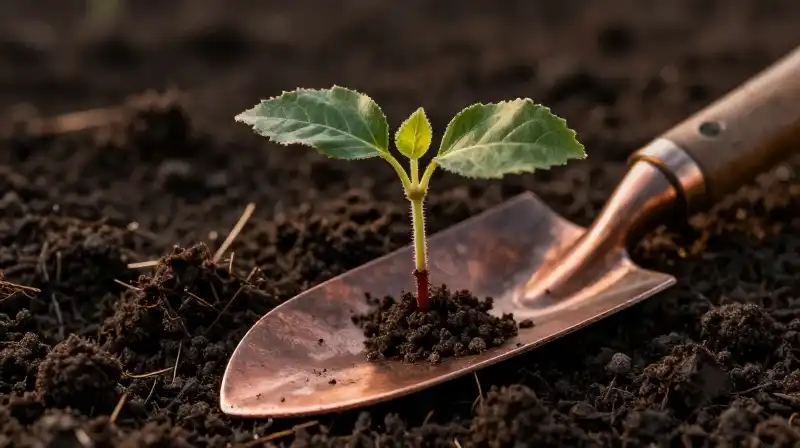 The process can be broken down into three critical stages: pot preparation, planting, and initial watering. Failure to properly prepare the pot and the soil around it is a common cause of early seedling failure.
1. Pot Preparation and Soil Preparation
A fertile and well-draining environment is the most important factor for germination.
- Fill the selected plant pot with appropriate potting soil, ensuring the soil is leveled using the rake or trowel.
- If planting directly into a patch, use the rake and gardening trowel to clear and weed the farming patch completely. Proper weeding is a mandatory prerequisite before planting the seed, as competition for nutrients can slow growth.
2. Planting the Apple Seedling
Once the pot is prepared, the apple seed is planted. The depth of planting is crucial—too deep and the seed cannot receive enough light for initial sprouting; too shallow and it might dry out.
Place the apple seed in the prepared soil. The surrounding soil should be gently pressed around the seed to ensure stable contact and retain moisture without becoming waterlogged.
3. Initial Watering and Germination
Immediately after planting, the seedling must be watered using the watering can. This action initiates the growth cycle. The transition from an unwatered, dormant state to a viable, watered state results in the development of a distinct, visible seedling.
Identifying and Observing Apple Seedling Growth
As the seedling begins to emerge, it is important to know what to expect and how to assess its health. Understanding the physical characteristics helps distinguish a healthy sprout from one that may be suffering from environmental stress.
Growth Timelines
Growth rate varies depending on the temperature, moisture level, and specific seed genetics. While certain environmental conditions may suggest a rapid process, the standard progression from a basic seedling to a measurable sapling requires sustained care. For general growth tracking, patience is key, as the shift from seedling to a mature apple sapling is a gradual, multi-month process.
How to Identify Apple Seedlings
A healthy apple seedling will exhibit several characteristics:
- Color: Young leaves should be a vibrant, healthy green.
- Structure: Growth should be upright and symmetrical, rather than appearing wilted or leaning heavily to one side.
- Vigor: The plant should appear firm and actively reaching toward the light.
Visually distinct changes occur when the seedling transitions from a stressed or unwatered state to a thriving, watered state, signaling active metabolic processes.
Optimal Conditions for Seedling Health and Development
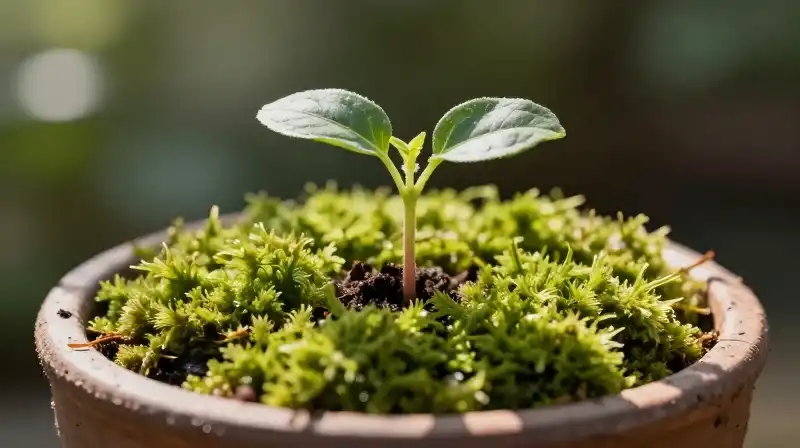 To optimize the success of the planting, environmental conditions must be controlled. Apples thrive under specific growing conditions that ensure stability and robust growth.
| Condition | Requirement | Practical Implication |
|---|---|---|
| Sun Exposure | Full Sun | Avoid planting in areas that remain in deep shade to ensure photosynthesis is maximized. |
| Soil Quality | Moist, Well-Drained | The soil must retain sufficient moisture during initial watering but never sit in standing water to prevent root rot. |
| Hardiness | Varied (Regional) | Consider the local climate (e.g., apple seedling Florida) when determining planting and care schedules. |
Advanced Considerations for Planting Location
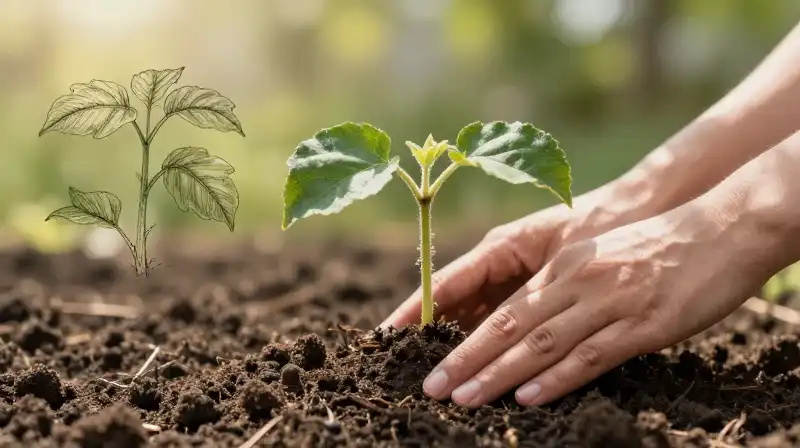 While starting in a pot is recommended for initial germination, some growing environments, such as established fruit tree patches, offer specific conditions for development. If transferring the seedling to a larger patch, ensuring the area is prepared and level is paramount for a balanced start.
In advanced planting scenarios, such as integrating the seedling into an existing patch, the overall preparedness of the environment is critical. This preparation should encompass proper soil amendment and ensuring the seedling has adequate, unhindered root space to establish itself and eventually grow into a robust tree.
Practical Warnings and Sustainability in Care
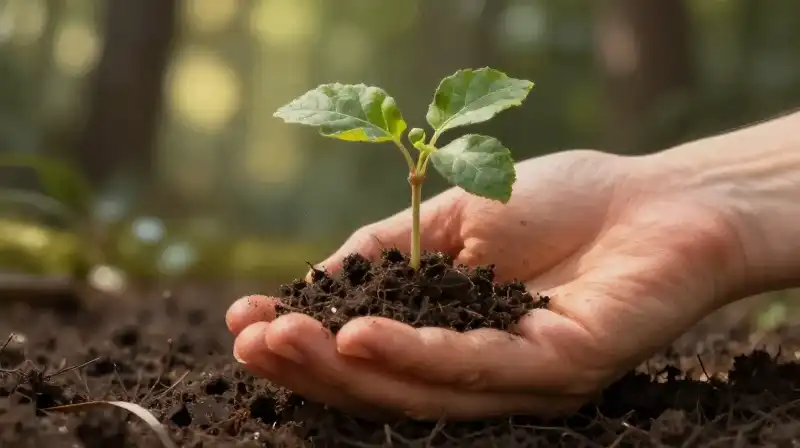 Successful seedling growth is an active management process, not a passive one. Maintaining consistency in care and recognizing limitations are the primary defenses against seedling loss.
The transition from a fragile apple seedling to a permanent, established sapling requires consistent attention to soil moisture and weeding. Never neglect the surrounding patch once the seed has been planted; frequent removal of competing vegetation maintains the seedling’s access to vital nutrients. Furthermore, while growth progresses, be mindful of the age and initial size of the seedling relative to the overall growing conditions, especially if attempting long-term cultivation outdoors. Proper early care is the only reliable method to prevent common errors such as nutrient deprivation or waterlogging.
Frequently Asked Questions
How long do apple seedlings take to grow?
Growth rate varies depending on the temperature, moisture level, and specific seed genetics. The shift from a basic seedling to a mature apple sapling is a gradual, multi-month process.
How to identify apple seedlings?
A healthy apple seedling exhibits vibrant, healthy green leaves and growth that is upright and symmetrical. The plant should also appear firm and actively reaching toward the light.
How to Grow an Apple Seedling
Pot Preparation or Patch Clearing
If planting in a pot, fill the container with appropriate potting soil and level it using a rake or trowel. If planting directly into a farming patch, use a rake and gardening trowel to clear and completely weed the area.
Planting the Seed
Place the apple seed in the prepared soil. Ensure the depth is appropriate so the seed can receive initial light but is not too shallow.
Securing the Seed
Gently press the surrounding soil around the seed to ensure stable contact and to help retain moisture without causing waterlogging.
Initial Watering
Immediately after planting, use a watering can to thoroughly water the seedling. This action initiates the growth cycle.
Monitoring Seedling Health
Observe the plant for signs of health: leaves should be vibrant green, and growth should be upright and symmetrical. Avoid environmental stress and ensure full sun exposure.
Ongoing Maintenance
Consistently remove competing vegetation (weeding) in the surrounding patch and maintain proper soil moisture to ensure the seedling develops into a robust sapling.
Related Articles